
You have not yet added any article to your bookmarks!
Join 10k+ people to get notified about new posts, news and tips.
Do not worry we don't spam!
Post by : Shweta
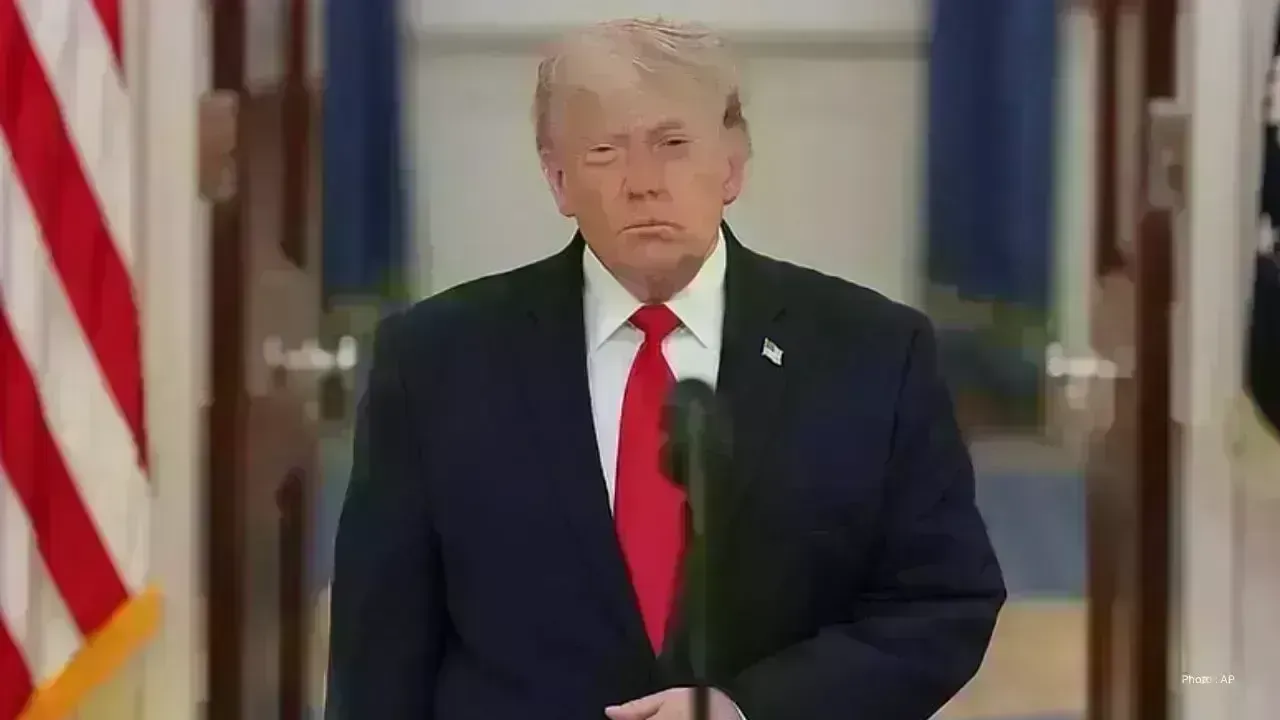
Donald Trump convened a critical strategy session with his national security advisors to discuss Iran's recent proposal concerning the Strait of Hormuz, a vital passage that facilitates nearly 20% of the world's oil transit. This meeting unfolds against a backdrop of escalating tensions and significant pressure on the blockade, raising alarms for global energy stability and security.
The White House reported that the focus of the talks was to assess Tehran's offer and its capacity to mitigate the current standoff. White House spokesperson Karoline Leavitt noted that, while dialogues have occurred, no definitive conclusions were ready for public disclosure, and further insights would be relayed by the president himself.
Previously, Marco Rubio suggested that Iran seems "serious" about forging a deal but is also requesting additional time. He pointed out that although negotiations are in motion, internal rifts within Iran complicate the discussion process. These fissures, he elaborated, often curtail the flexibility of Iranian negotiators in their dealings with the U.S.
Iran's proposal coincides with the U.S.'s continuous exertion of pressure through naval operations in the vicinity. Officials expressed tempered optimism but observed that Tehran's current terms fall short of fulfilling Washington's essential stipulations. Reports indicate that while advancements are on the horizon, substantial gaps persist before any agreement can be realized.
Rubio also emphasized the intricate political landscape within Iran, where diverse factions shape the decision-making process. He remarked that while some officials recognize the importance of navigating the country's economic and international relations, others adhere to stringent ideological stances. This internal discord, he said, complicates negotiations, as Iranian delegates must juggle conflicting interests within their governance.
The environment around the Strait of Hormuz remains precarious, with the waterway serving as a critical chokepoint for international oil deliveries. Any disruptions here can instantly influence energy prices and global commerce, amplifying the need for a diplomatic resolution.
As discussions progress, the U.S. administration is weighing its strategies, striving to balance diplomatic efforts with assertive pressure. The outcomes of these negotiations could be pivotal in shaping future interactions between Washington and Tehran and influence regional stability.










PM Modi Pays Tribute to Mahatma Gandhi, Urges People to Support Khadi
PM Modi pays tribute to Mahatma Gandhi on Gandhi Jayanti and urges citizens to support Khadi and the

Amazon Seeks to Offload $8 Billion in Nvidia Chips to Investors
Amazon plans to move $8 billion in Nvidia chips to investors, using a new financing model to strengt

Samsung Raises Galaxy S26 Prices as Memory Chip Costs Rise
Samsung raises Galaxy S26 prices in South Korea as rising memory chip costs put pressure on smartpho

Lewis Hamilton Calls Singapore Grand Prix One of F1's Toughest Races
Lewis Hamilton discusses the demanding Singapore Grand Prix and brings Plus44 and Almave to Singapor

Denmark's Pandora Opens World's Largest Jewellery Factory in Vietnam
Pandora opens its largest jewellery factory in Vietnam, expanding global production, strengthening s

Gautam Gambhir Questions Batting-Friendly Pitches After India's Record ODI Chase
Gautam Gambhir questions batting-friendly ODI pitches after India’s record chase, calling for a bett

