You have not yet added any article to your bookmarks!
Join 10k+ people to get notified about new posts, news and tips.
Do not worry we don't spam!
Post by : Rohit Dhiman
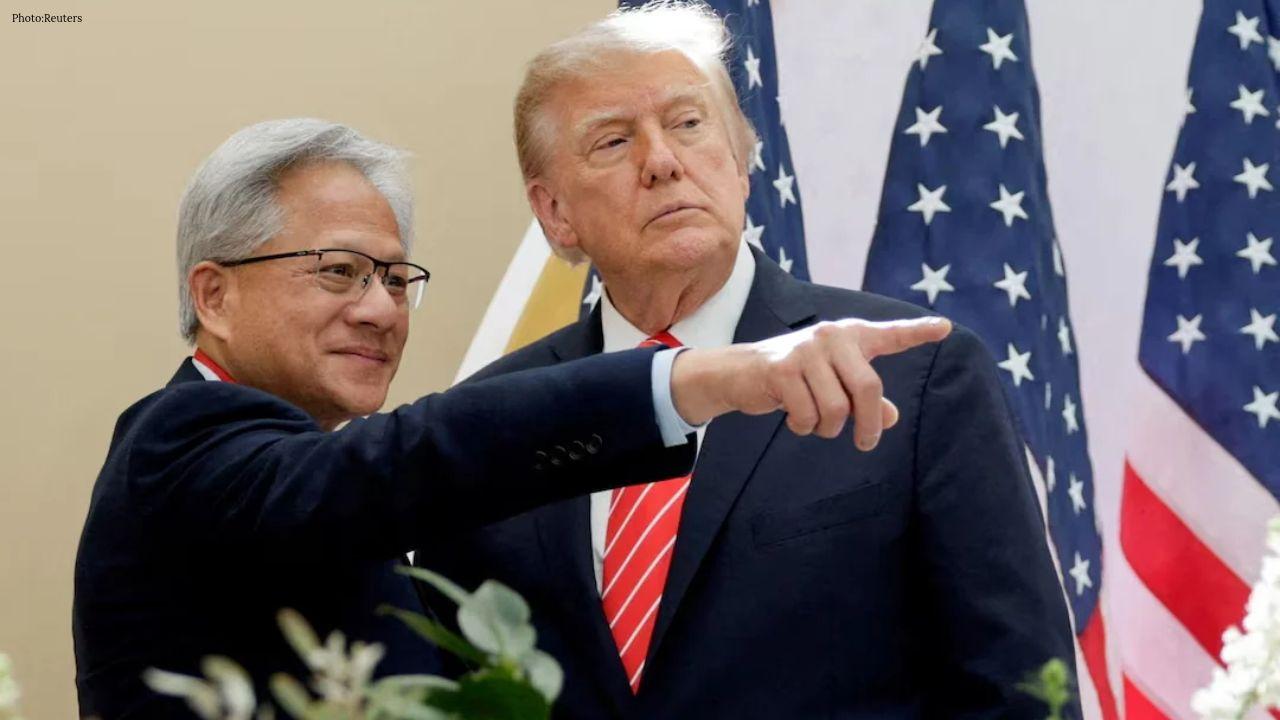
US President Donald Trump has called on companies developing large data centers to share financial benefits with the communities where these facilities are built. He believes that offering residents a direct economic incentive could help businesses gain public support for projects that have faced resistance in several parts of the United States. In a post on his Truth Social platform on Wednesday, October 21, Trump suggested that companies should pay a “dividend” to the community as a whole or directly to individuals living in the area. His remarks highlight the growing challenge technology companies face as they expand the infrastructure needed to support artificial intelligence. Trump said he had observed cases in which data center projects initially faced strong local opposition but later became popular after companies reached financial agreements with residents. He encouraged businesses to negotiate such arrangements and move forward with construction. The proposal comes at a time when the rapid expansion of Data Centers is becoming an increasingly important economic and political issue in the United States.
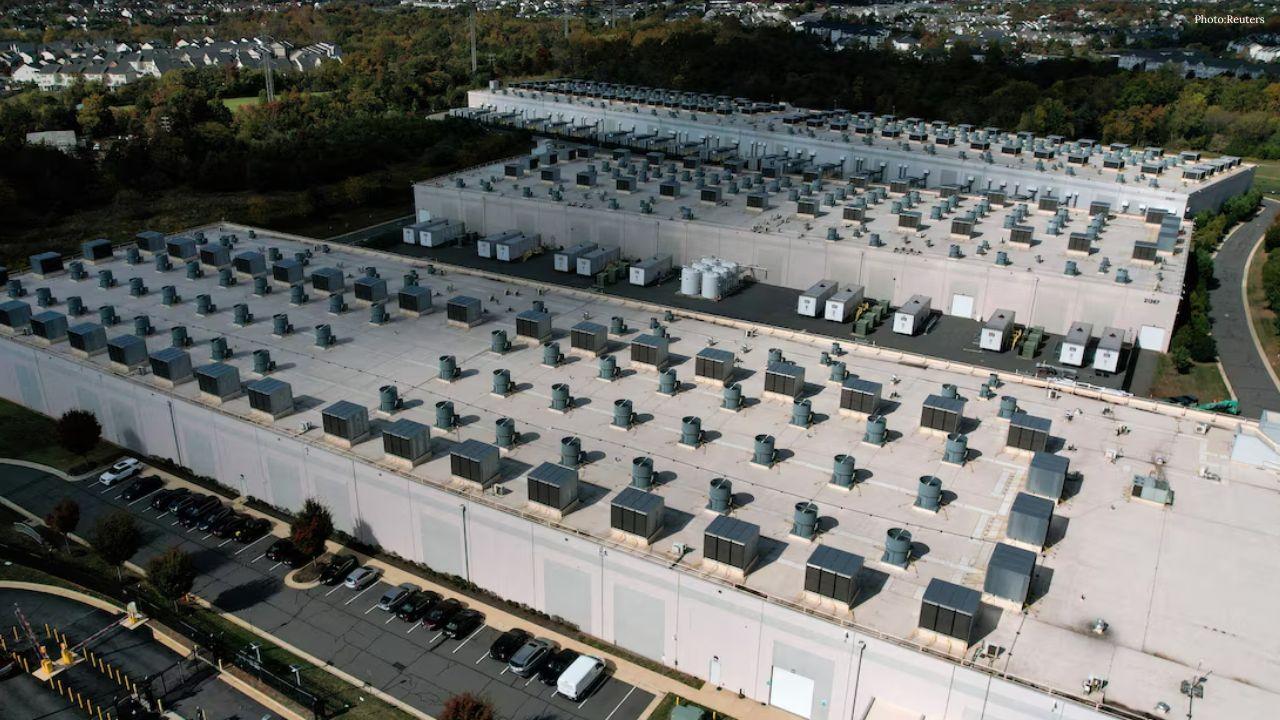
Data centers are large facilities that house computer servers, storage systems and networking equipment. They provide the computing capacity required for cloud services, online platforms and Artificial Intelligence (AI) applications. As technology companies invest heavily in AI development, the need for new data center campuses has increased. These facilities can occupy substantial areas of land and require significant amounts of electricity to operate their servers and cooling systems. For residents living near proposed projects, the benefits of new construction may not always be clear. Communities may welcome investment, construction activity and new employment opportunities, but they can also raise concerns about higher utility bills, water consumption, noise and the use of local resources. These concerns have turned data center development into a contentious issue in communities across the country. Opposition has emerged among residents with different political views, reflecting a shared interest in household expenses, environmental effects and the long-term impact of large industrial projects.
Alongside financial payments to residents, the question of electricity supply has become central to the debate over data center expansion. Large computing facilities need a dependable power supply around the clock. As more companies build infrastructure to support AI services, communities and policymakers are examining how additional electricity demand could affect existing power networks and household costs. Trump has also advocated requiring large data centers to generate their own electricity and provide or sell surplus power to the surrounding community or the electricity grid. The broader objective is to ensure that the expansion of technology infrastructure does not place an unfair burden on ordinary consumers. Under such an approach, companies could take greater responsibility for meeting the energy requirements of their facilities rather than relying entirely on existing electricity infrastructure. Any effect on household bills would depend on how the projects are financed, how additional power is supplied and the arrangements made with utilities and local authorities. For communities, the key question is whether new investment can deliver tangible benefits without increasing pressure on essential services and public resources.
Read Also: Malaysia-Singapore Police Arrest 30 in Cross-Border Prostitution Case
A community dividend, as described by Trump, would involve companies providing financial benefits to residents or the wider community in areas hosting data centers. The exact model has not been established in the reported announcement. Depending on the arrangements eventually adopted, a company could negotiate payments with a local community or develop another form of financial agreement with residents. Any such plan would require clarity about who qualifies, how benefits are distributed and whether payments would be recurring or one-time contributions. Direct payments could make the economic benefits of a project more visible to residents. Alternatively, community-level agreements could support local priorities, depending on the terms negotiated between businesses and the relevant parties. However, financial incentives alone may not resolve every concern. Residents could still seek information about electricity prices, water usage, environmental safeguards, traffic, noise and the project's long-term impact on the area.
The debate reflects a wider challenge for the Artificial Intelligence industry. Technology companies are investing in computing infrastructure to meet growing demand for AI tools, cloud computing and digital services, but the physical infrastructure behind these technologies can have substantial local effects. For companies, securing suitable land, reliable electricity and the necessary approvals is only part of the process. Gaining the confidence of residents and local authorities can also influence whether proposed projects move forward smoothly. Trump's comments indicate that he wants businesses to address community concerns through financial agreements while continuing to expand the country's data center capacity. The proposal also raises questions about how the economic gains associated with AI infrastructure should be shared. Companies may benefit from the services and computing capacity these facilities provide, while nearby communities may experience both investment opportunities and additional demands on local resources.









APEC Members Emphasise Safe and Responsible Use of Artificial Intelligence
APEC members discuss responsible AI use, digital innovation and data governance as China and the US

Union of European Clubs Challenge UEFA and EFC Over EU Competition Rules
UEC files an EU competition complaint against UEFA and EFC, challenging club representation, governa

Mohammed Shami Retires From Test Cricket, Eyes White-Ball Career
Mohammed Shami retires from Test cricket after 13 years, with 229 wickets. He will continue playing

Singapore Warns Users About Privacy and Security Risks of AI Agents
Singapore warns users about AI agent security risks, data privacy, online scams and unauthorised acc

Chris Lynn Completes One-Month Ban After Positive Cocaine Test
Australian cricketer Chris Lynn completes a one-month ban after a positive cocaine test during the T

Djokovic Eyes Strong Season Finish as Health Improves Ahead of Paris Masters
Novak Djokovic reports improved health and performance as he targets a strong Paris Masters finish a