
You have not yet added any article to your bookmarks!
Join 10k+ people to get notified about new posts, news and tips.
Do not worry we don't spam!
Post by : Rameen Ariff
President Donald Trump’s administration has officially classified four European left-wing and anarchist networks as terrorist entities, intensifying efforts to combat extremist factions linked to political violence. This designation represents one of the most assertive international measures taken by the administration in the aftermath of the assassination of conservative activist Charlie Kirk, which ignited widespread political turmoil.
The newly designated groups, all situated in Europe, have been implicated in various violent incidents over the past two decades, including bomb plots, assassination attempts, and organized attacks on neo-Nazi factions. While these entities do not operate within the United States, this classification empowers U.S. authorities to scrutinize and restrict any financial aid associated with American entities.
Four Groups Targeted by Trump's Decision
The groups added to the U.S. terror list include an Italian anarchist front known for dispatching explosive devices to high-ranking European officials in the early 2000s, two Greek factions responsible for bomb attacks on governmental and law enforcement facilities in Athens, and a German anti-fascist organization whose members faced prosecution for assaulting extremists in Dresden.
The most recognized of these groups is the International Revolutionary Front, also referred to as the Informal Anarchist Federation, notorious for sending explosive packets to then-European Commission President Romano Prodi in 2003. This group re-emerged in 2012 when its members injured the CEO of an Italian nuclear engineering firm in a calculated act intended to intimidate rather than kill, reminiscent of anarchist tactics from the 1970s.
Throughout the years, the group has claimed responsibility for letter bombs sent to the former head of Deutsche Bank as well as multiple European embassies.
In Greece, the two additional groups—Armed Proletarian Justice and Revolutionary Class Self-Defense—have been linked to several bombings targeting police stations, labor offices, and transportation agencies. In these incidents, callers typically warned of explosives ahead of time, which likely accounts for the absence of casualties.
The fourth entity, Antifa Ost or “Antifa East,” is known for physical confrontations with neo-Nazi factions in Germany and Eastern Europe. Several members were incarcerated in 2023 due to participating in organized hammer assaults, and recent allegations suggest the network may have expanded its operations to Budapest.
Trump Points to ‘Growing Extremist Threat’
The Trump administration supported this classification by asserting that “anarchist militants have launched terror campaigns in both the United States and Europe,” accusing them of striving to undermine Western democracies through targeted acts of violence. Officials contend that while geographically distant, these networks are ideologically connected to individuals who have adopted political violence across borders.
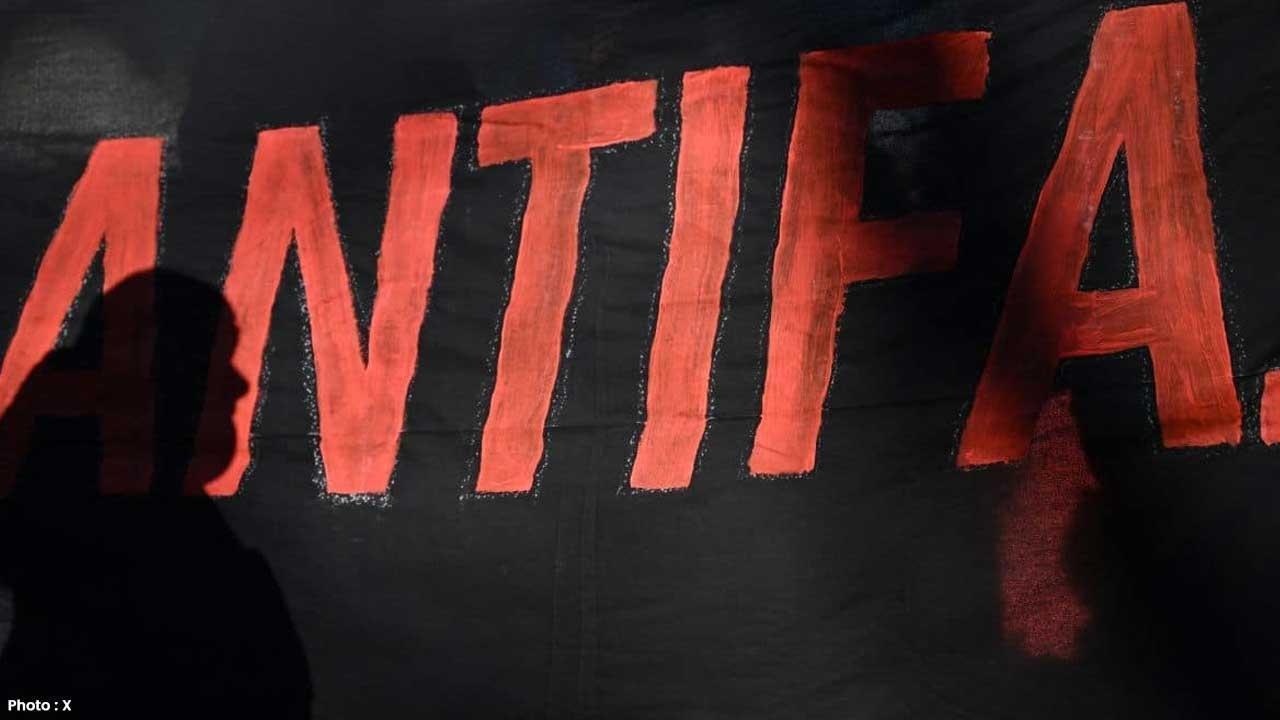
This announcement follows Trump’s prior efforts to label Antifa as a domestic terror organization after the fatal shooting of Charlie Kirk—a designation that remains largely symbolic since domestic entities cannot legally be included on the State Department’s foreign terror list.
European Reaction and Historical Background
As of now, authorities in Italy, Germany, and Greece have not issued formal responses, although most of the identified networks have been under watch or prosecution for many years. Greece has a long-standing history of anarchist and far-left violence, with several groups previously identified as terrorist organizations by the U.S.
While left-wing violence has occasionally surged in Europe, studies indicate that recent political violence in the U.S. has predominantly stemmed from far-right sources. Nevertheless, following Kirk’s assassination, the Trump administration has increasingly emphasized left-wing extremism.
Implications of the Designation
This terrorist classification enables U.S. agencies to freeze assets, obstruct financial transactions, and take necessary actions against anyone providing material support to the identified networks. Even though these groups lack a physical presence in the United States, the administration argues that this move conveys a robust global stance against ideological violence.
As the political landscape intensifies in the lead-up to the next election cycle, Trump’s actions highlight a broader effort to reform the government's approach to extremism, positioning European Antifa-aligned organizations firmly within U.S. foreign policy targets.










PM Modi Pays Tribute to Mahatma Gandhi, Urges People to Support Khadi
PM Modi pays tribute to Mahatma Gandhi on Gandhi Jayanti and urges citizens to support Khadi and the

Amazon Seeks to Offload $8 Billion in Nvidia Chips to Investors
Amazon plans to move $8 billion in Nvidia chips to investors, using a new financing model to strengt

Samsung Raises Galaxy S26 Prices as Memory Chip Costs Rise
Samsung raises Galaxy S26 prices in South Korea as rising memory chip costs put pressure on smartpho

Lewis Hamilton Calls Singapore Grand Prix One of F1's Toughest Races
Lewis Hamilton discusses the demanding Singapore Grand Prix and brings Plus44 and Almave to Singapor

Denmark's Pandora Opens World's Largest Jewellery Factory in Vietnam
Pandora opens its largest jewellery factory in Vietnam, expanding global production, strengthening s

Gautam Gambhir Questions Batting-Friendly Pitches After India's Record ODI Chase
Gautam Gambhir questions batting-friendly ODI pitches after India’s record chase, calling for a bett

