
You have not yet added any article to your bookmarks!
Join 10k+ people to get notified about new posts, news and tips.
Do not worry we don't spam!
Post by : Samjeet Ariff
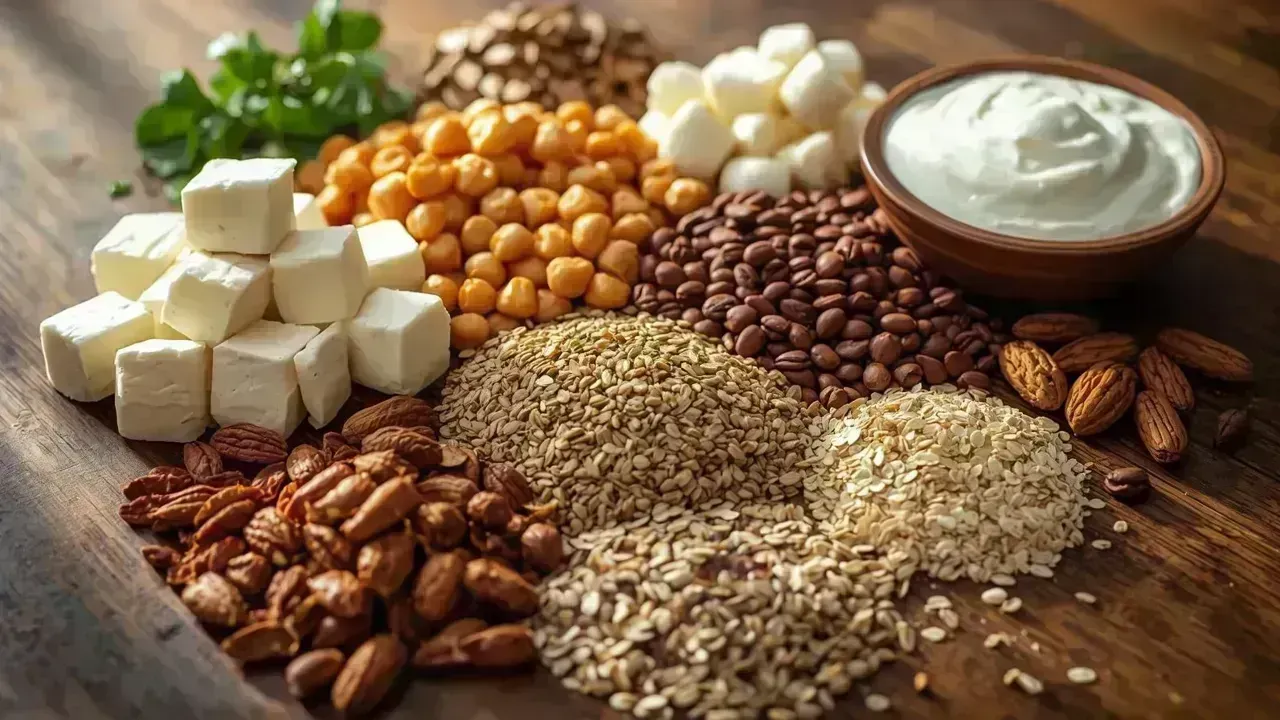
Those pursuing muscle growth on a vegetarian diet often face misconceptions. It's a common belief that muscle mass is difficult to achieve without meat, which is far from the truth. With strategic food choices and consistent planning, vegetarians can meet their fitness ambitions. Numerous athletes thrive on protein-rich vegetarian foods for muscle growth, transforming their fitness levels and endurance.
Muscle development hinges on two essential elements—resistance training and nutritional intake. Exercise triggers the need for muscle repair, while your diet must provide the necessary ingredients for recovery and growth. Protein is critical, as it helps heal damaged muscle fibers and encourages the creation of new ones. For those on a vegetarian diet, it’s vital to incorporate a wide variety of protein-rich foods, ensuring all essential amino acids are consumed.
Let’s delve into some of the finest vegetarian options that can aid your muscle-building efforts.
Especially popular in regions like India, lentils rank high among vegetarian staples. They are loaded with protein, fiber, iron, and vital nutrients, forming a robust base for any muscle-gaining diet.
Their adaptability is one of lentils' greatest advantages—think soups, curries, or salads. While lentils lack complete protein by themselves, combining them with grains like rice or roti leads to a full amino acid spectrum. This partnership fosters muscle recovery and sustained energy, critical after challenging workouts.
Consistently including lentils in your meals guarantees a reliable intake of nutrients essential for performance and recovery.
Paneer stands out as a premium vegetarian protein source. Rich in casein, it digests slowly, supplying your muscles with a steady stream of amino acids over time.
For optimal results, especially before sleeping or between meals, paneer helps prevent muscle breakdown and enhances recovery. Besides its protein content, it also contributes calcium and healthy fats for bone strength and overall wellness.
Incorporating paneer into your diet aids in lean muscle development and prolonged satiety, rendering it an essential part of any vegetarian fitness routine.
Chickpeas provide another fantastic plant-based protein source, offering a harmonious mix of protein, carbs, and fiber. This makeup makes them perfect for maintaining energy while supporting muscle growth.
They serve as an excellent fuel source for active individuals, supplying energy and aiding post-exercise recovery. Available in salads, curries, or snacks like roasted versions, chickpeas also help maintain a balanced diet, which is crucial for gaining lean muscle mass without fat accumulation.
Soy-based items like tofu, soy chunks, and soy milk are among the few plant sources offering complete protein. This means they're rich in all nine essential amino acids that promote muscle development.
Consequently, soy products are often highly regarded in vegetarian muscle-building diets. Their versatility allows integration into a range of dishes, from stir-fries to curries.
Soy protein is particularly advantageous for those wishing to augment their protein intake without dairy reliance. It supports muscle recovery, enhances strength, and boosts overall performance.
Greek yogurt or curd is a straightforward yet influential component of a vegetarian diet, offering protein alongside probiotics that enhance gut health.
A robust digestive system is key for optimal nutrient absorption. Even the best protein-rich meals won't yield benefits if digestion falters. Thus, integrating curd into your daily diet aids in muscle recovery and enhanced nutrient absorption.
It's easily consumed as a snack, side dish, or post-exercise meal, making it both practical and restorative.
Nuts and seeds such as almonds, chia seeds, and flaxseeds, while small, are nutrient-dense. They offer proteins, healthy fats, and essential vitamins that are crucial for muscle growth.
These foods can also effectively help increase daily caloric intake in a nutritious way, thereby supporting muscle gain efforts. They can be added to smoothies, sprinkled on oatmeal, or enjoyed as snacks throughout the day.
Including various nuts and seeds significantly contributes to naturally heightened protein intake and promotes heart health.
Often hailed as a superfood, quinoa's impressive nutritional profile sets it apart from most grains. Unlike many competitors, it contains all essential amino acids, qualifying it as a complete protein source.
It’s abundant in fiber, iron, and magnesium, all vital for health and performance. Quinoa can substitute rice or enhance salads with extra nutrients.
This exceptional nutrient combination underscores its role in comprehensive vegetarian protein nutrition and muscle reinforcement.
Oats are not only a popular breakfast choice but also beneficial for muscle gain due to their mix of protein, complex carbohydrates, and fiber, helping maintain energy throughout the day.
They are especially advantageous before workouts, delivering sustained energy while avoiding sharp blood sugar spikes. Combining oats with milk, seeds, and nuts creates a nutritious, balanced meal.
Regular oat consumption enhances workout performance and muscle gain by supplying vital fuel and nutrients.
Although each food has its merits, the real advantage comes from it being part of a well-rounded diet. A vegetarian meal plan should mix grains, legumes, dairy, and plant proteins.
For instance, pairing lentils with rice, introducing paneer into dishes, or adding oats to nuts can significantly elevate your protein intake. This strategy ensures that your body receives comprehensive amino acids necessary for muscle achievement.
Consistency in dietary habits, along with timely meal consumption, plays a pivotal role in realizing lasting muscle gain on a vegetarian diet.
Individuals encountering obstacles in muscle gain are often not lacking motivation but rather falling into common traps. A significant misstep is failing to ensure adequate protein intake throughout the day. Additionally, many lean too heavily on singular food sources rather than embracing variety.
Neglecting meal schedules, underestimating hydration, or misaligning diet with exercise intensities can also hinder progress. Steering clear of these pitfalls eases the journey towards effective muscle formation and strength advancements.
This article serves informational purposes and is not a substitute for individualized dietary guidance. Nutritional requirements may vary based on personal goals and health conditions. Always consult a qualified nutritionist for tailored advice.
#Health & Fitness #Diet Plan #Fitness and Wellness #High Protein Foods #Healthy Diet #Vegan diets










PM Modi Pays Tribute to Mahatma Gandhi, Urges People to Support Khadi
PM Modi pays tribute to Mahatma Gandhi on Gandhi Jayanti and urges citizens to support Khadi and the

Amazon Seeks to Offload $8 Billion in Nvidia Chips to Investors
Amazon plans to move $8 billion in Nvidia chips to investors, using a new financing model to strengt

Samsung Raises Galaxy S26 Prices as Memory Chip Costs Rise
Samsung raises Galaxy S26 prices in South Korea as rising memory chip costs put pressure on smartpho

Lewis Hamilton Calls Singapore Grand Prix One of F1's Toughest Races
Lewis Hamilton discusses the demanding Singapore Grand Prix and brings Plus44 and Almave to Singapor

Denmark's Pandora Opens World's Largest Jewellery Factory in Vietnam
Pandora opens its largest jewellery factory in Vietnam, expanding global production, strengthening s

Gautam Gambhir Questions Batting-Friendly Pitches After India's Record ODI Chase
Gautam Gambhir questions batting-friendly ODI pitches after India’s record chase, calling for a bett

