You have not yet added any article to your bookmarks!
Join 10k+ people to get notified about new posts, news and tips.
Do not worry we don't spam!
Post by : Anis Farhan
In today’s digital era, technology touches almost every part of life. From studying online to shopping, banking, gaming, or simply chatting with friends, young people between the ages of 15 and 30 are more connected than ever before. But with this connectivity comes a darker side—hackers and cybercriminals are exploiting vulnerabilities to steal information, spread misinformation, and cause damage. For many youths, the threat may feel distant, something that only happens to big corporations or government systems. In reality, every individual is a potential target, especially those who underestimate the importance of digital safety.
The rise of hackers and cyber threats is no longer a background issue; it is one of the most urgent challenges of the modern age. Cyberattacks are becoming more sophisticated, and awareness among young people often lags behind the growing risks. Understanding this digital battlefield is essential to protect personal information, maintain online security, and build resilience in a constantly evolving cyber landscape.
Cybercrime has transformed into one of the fastest-growing industries worldwide. Hackers are no longer just individuals working from a dark room; today, many operate as part of organized groups that function like businesses. They have hierarchies, advanced tools, and even customer service models for selling stolen data.
The targets are not only multinational corporations but also ordinary individuals. Hackers steal bank details, personal information, passwords, and social media accounts. Youth, in particular, become easy prey because they often share large amounts of personal data online, click on unknown links, or use the same weak password across multiple accounts.
Young people are growing up in an age where being online is second nature. Social media platforms encourage oversharing, gaming communities require logins and purchases, and digital wallets are increasingly popular among students and young professionals. While this integration of technology makes life easier, it also creates multiple entry points for cybercriminals.
Many young users also assume they are too “ordinary” to be targeted. Hackers, however, don’t look for high-profile individuals alone. They often use automated systems to breach thousands of accounts in one go. Even small pieces of personal information can be valuable when combined with other data. For example, an email address, birthday, and school name might seem harmless, but together they can help hackers crack accounts or impersonate someone online.
The cyber world is filled with risks that many young people may not fully recognize. Some of the most common threats include:
Phishing Attacks: Fraudulent emails or messages that trick users into revealing passwords or clicking harmful links.
Identity Theft: Hackers use stolen information to impersonate victims for financial gain.
Ransomware: Malicious software that locks devices until a payment is made.
Social Engineering: Psychological manipulation where hackers exploit trust to gain access to information.
Gaming Scams: Fake in-game purchases, cheating tools, or fraudulent offers that lead to financial loss.
Public Wi-Fi Risks: Hackers intercept data when users connect to unsecured networks in cafes, airports, or libraries.
These threats are not hypothetical—they are happening daily across the globe, often targeting unsuspecting youth.
Hackers exploit human behavior as much as they exploit technical systems. They know people crave convenience, are curious, and often act impulsively online. A simple “free giveaway” message or a tempting gaming link can be enough to lure a user into handing over personal details.
Some hackers are motivated by money, while others may be driven by ideology, thrill-seeking, or even political agendas. What they share in common is the ability to manipulate weaknesses, whether in systems or in people’s online habits.
Social media platforms, while offering entertainment and connection, have become hotspots for cyber threats. Hackers often monitor posts for clues about someone’s personal life—locations, travel plans, or even pets’ names that can be used as password guesses. Fake profiles and scam accounts also lure users into clicking links or downloading malicious files.
Influencer culture further amplifies this risk. Young people, eager to gain followers, may overlook privacy settings or accept requests from strangers, inadvertently exposing themselves to greater dangers.
The impact of a cyberattack goes far beyond losing access to a social media account. Victims can face drained bank accounts, ruined credit scores, leaked private photos, or reputational damage that can affect careers and relationships. In some cases, victims also experience stress, anxiety, and long-term psychological trauma.
Hackers may even use stolen information to blackmail individuals, creating a cycle of fear and helplessness. These consequences highlight why youth cannot afford to ignore cybersecurity.
The good news is that cyber threats, while serious, can be mitigated with awareness and preventive actions. For young people, building digital safety should become as natural as locking their front doors. Some key steps include:
Strong, Unique Passwords: Avoid using the same password across multiple accounts and opt for password managers.
Two-Factor Authentication (2FA): Adding a second layer of security can stop hackers even if passwords are stolen.
Cautious Clicking: Avoid links or downloads from unknown sources, no matter how tempting.
Privacy Controls: Regularly check and adjust privacy settings on social media.
Education & Awareness: Staying informed about common scams and threats is one of the strongest defenses.
Raising awareness about cyber safety is not just an individual responsibility. Schools can incorporate digital safety lessons into curriculums, ensuring students know how to protect themselves. Parents can set examples by practicing safe online habits, and governments can introduce stronger cybersecurity policies.
Employers, too, have a role in training young professionals, as workplaces are frequent targets of cyberattacks. Collective effort is necessary to reduce the risks in an increasingly digital world.
The rise of hackers and cyber threats is one of the defining issues of our digital era. Young people, immersed in technology, are both the most vulnerable and the most capable of shaping a safer digital future. By becoming aware of cyber risks, practicing safe habits, and taking proactive measures, youth can protect themselves and their communities.
Digital safety is not about fear—it is about empowerment. With the right knowledge and mindset, young people can enjoy the benefits of the online world while staying one step ahead of those who seek to exploit it.
This article is intended for educational and informational purposes only. It does not substitute professional cybersecurity advice. Readers are encouraged to consult trusted security experts or authorities for personalized guidance.









Jordan Burroughs Returns to Wrestling with 2028 Olympic Dream
Jordan Burroughs returns to wrestling with Real American Freestyle as the Olympic champion eyes a po

Lamborghini Catches Fire on Singapore's ECP, Causing Heavy Traffic
A Lamborghini caught fire on Singapore's ECP, causing heavy traffic and bus delays. No injuries were

Bangkok Airport Duty-Free Area Flooded by Pipe Burst
A burst water pipe flooded the duty-free shopping area at Bangkok's Suvarnabhumi Airport on July 16,
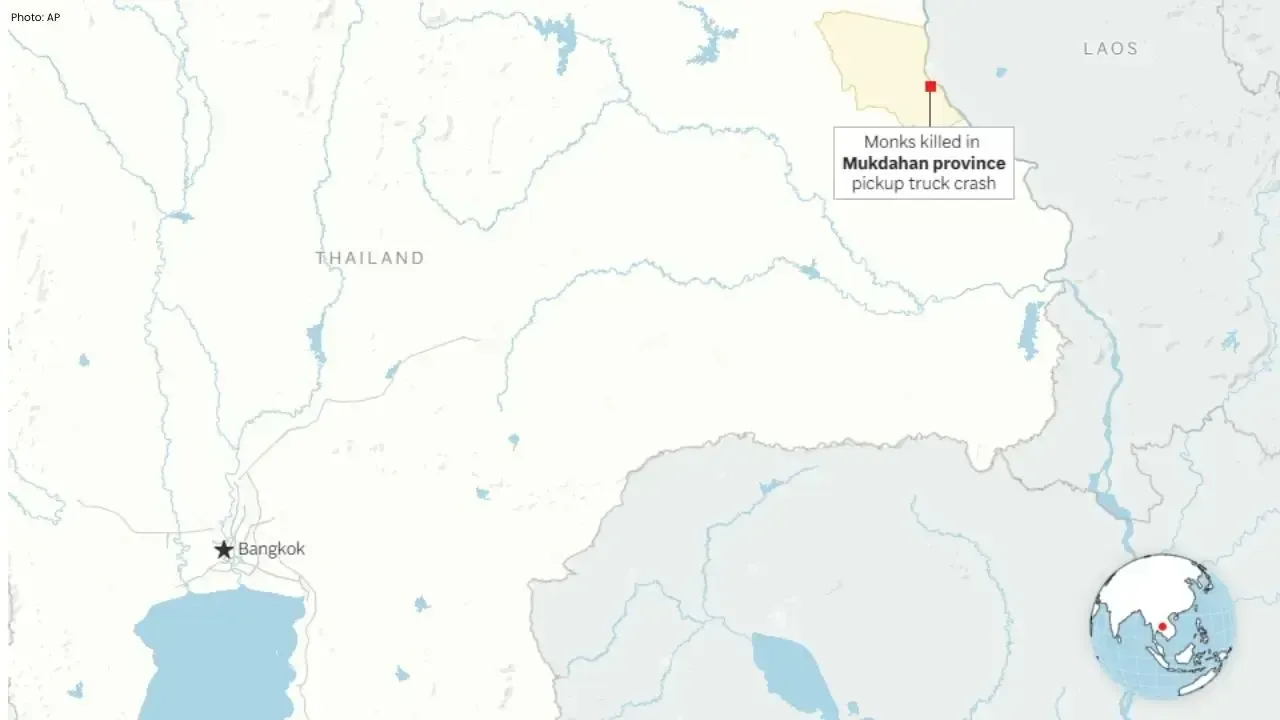
Nine Monks Killed in Thailand Pickup Truck Tragedy
An 11-year-old boy driving a pickup truck crashed into monks during a pilgrimage in northeastern Tha

Anwar Congratulates Xi on CPC's 105th Anniversary
Malaysia reaffirms strong ties with China as PM Anwar Ibrahim sends a congratulatory letter to Presi

Thai Agriculture Team Reviews 2026 Farm Development Plans
Agriculture Ministry officials inspected livestock and organic rice projects in Nakhon Sawan to moni