
You have not yet added any article to your bookmarks!
Join 10k+ people to get notified about new posts, news and tips.
Do not worry we don't spam!
Post by : Samjeet Ariff
Today, the ramifications of wars extend beyond the nations directly involved. In our interconnected society, conflicts occurring thousands of kilometers away can still have a significant influence on fuel prices, grocery bills, travel costs, and day-to-day living around the globe.
This phenomenon is currently unfolding worldwide.
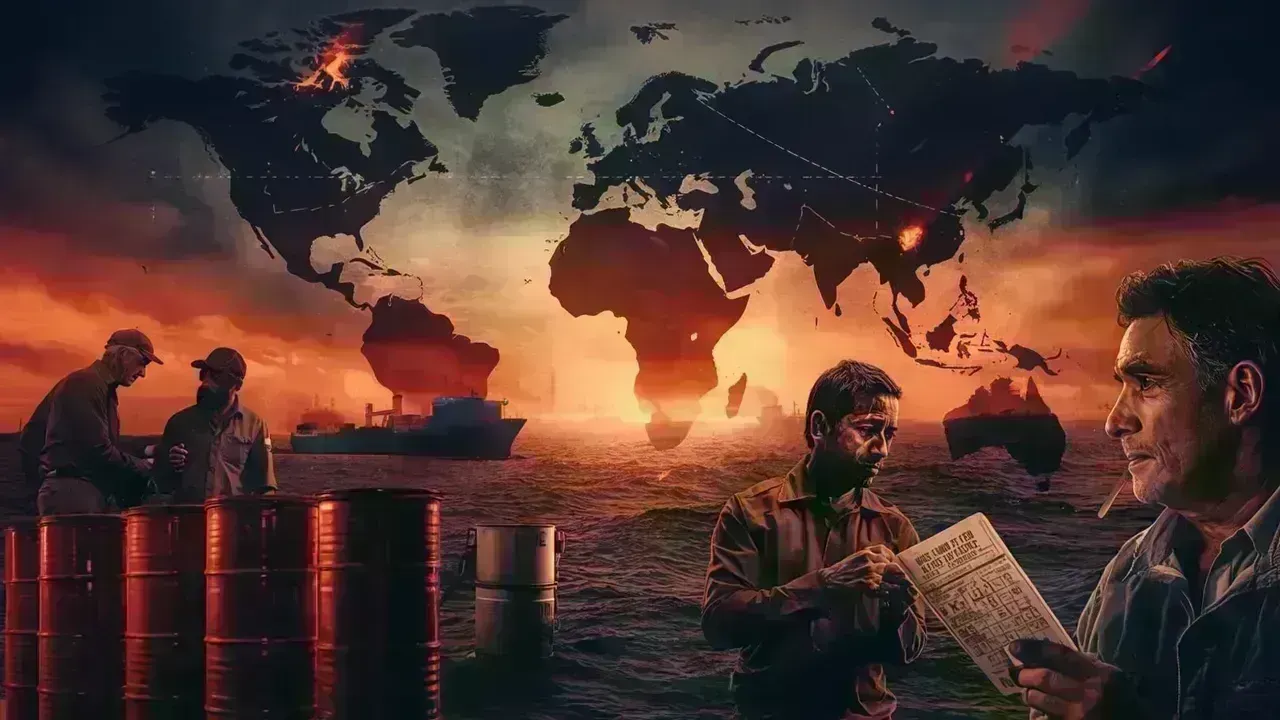
Geopolitical issues and ongoing conflicts in key energy-producing regions, particularly in the Middle East, have placed immense strain on global oil and gas supply chains. A major point of concern has been the Strait of Hormuz, a vital shipping route carrying nearly 20% of the world's oil supply. With increasing military tensions, shipping disruptions, and fears regarding supplies, oil prices have witnessed substantial hikes globally.
However, the effects of rising fuel prices extend far beyond the fuel pump. Their influence permeates nearly every aspect of our daily lives.
The oil market is highly reactive to instability.
When conflicts erupt in regions tied to oil production or transportation, investors and governments become wary of potential supply shortages. Even before actual shortages arise, oil prices often climb in anticipation of future disruptions.
This scenario has played out during recent conflicts in the Middle East. Experts and international organizations have cautioned that restrictions and disturbances in Gulf shipping lanes have sparked one of the most significant global energy crises in years.
Countries reliant on importing crude oil face heightened vulnerability, as rising global oil prices directly translate into higher energy expenses.
When crude oil costs spike, the price of nearly everything tied to transportation also escalates.
Fuel costs are intrinsically linked to crude oil prices.
As global oil becomes pricier, the repercussions include:
Reports indicate that many nations have witnessed notable hikes in petrol prices due to the ongoing energy crisis instigated by conflict. Numerous economies have recorded significant fuel cost increases since disruptions began in the Middle East.
While some governments are attempting to mitigate the effects through subsidies or tax modifications, the pressure is still being felt on a global scale.
Many perceive that rising fuel costs only impact drivers; however, fuel influences a vast array of products and services.
When transportation expenses increase, businesses incur higher costs for transporting goods from factories to retailers. These added costs ultimately trickle down to consumers.
Thus, elevated fuel prices frequently lead to:
Economists and financial analysts have raised alarms that surging energy costs are already fueling inflation in various economies.
This situation places additional strain on ordinary families, as vital expenses become more burdensome.
A crucial consequence often overlooked is the correlation between fuel and food prices.
Modern agricultural processes rely significantly on fuel for:
As fuel prices climb, the costs associated with farming and food distribution rise as well. Various international bodies have issued warnings that prices for fertilizers and food may continue to rise if conflicts persist.
That means even those who don’t operate vehicles are impacted by increasing oil prices every time they shop for necessities.
Airlines and shipping services have been hit hard during fuel crises.
Recent months have seen marked increases in jet fuel prices due to supply uncertainties and market volatility. Analysts report a dramatic surge in aviation fuel costs as war-related shocks ripple through the oil market.
Consequently:
Businesses importing goods from abroad find themselves confronting elevated logistics expenses, which further drives prices upward for consumers.
Developing nations often bear the brunt of global fuel crises.
Countries heavily reliant on oil imports experience considerable financial stress due to surging foreign currency expenses for energy purchases. Nations with weakened currencies and high inflation rates are particularly susceptible.
For instance, with a substantial portion of its crude oil needs imported, India is extraordinarily sensitive to global oil price fluctuations. Experts warn that prolonged increases in energy costs could have adverse effects on inflation, economic growth, and personal spending.
Lower-income families typically feel the most significant impact, as fuel and food constitute a larger portion of their overall budget.
Rising fuel prices affect not only consumers but also impose political and economic challenges on governments.
Higher energy costs can lead to:
Global entities such as the IMF and World Bank have cautioned that drawn-out conflicts and ongoing energy disruptions could hinder global economic expansion and elevate inflation rates worldwide.
Some financial experts fear that continued disruptions in energy supply may place certain economies at risk of recession.
As fuel prices ascend, many individuals are adjusting their lifestyles accordingly.
Across various countries, households are:
Reports suggest that rising fuel prices predominantly impact lower-income families, prompting changes in their transportation practices due to increased expenses.
This phenomenon highlights how conflicts—even when geographically distant—can reshape daily lives and routines.
Fuel costs could stabilize if geopolitical tensions subside and supply chains normalize. However, experts caution that ongoing conflicts may keep energy markets in a state of volatility for an extended period.
Even after ceasefires or temporary resolutions, regaining confidence in global energy markets necessitates time. Restoring shipping routes, production systems, and stockpiles often requires months or even years.
This situation implies that the economic consequences of wars can linger long after hostilities have ceased.
Today’s conflicts are not isolated issues; they affect fuel, food, transportation, inflation, and overall financial stability worldwide.
Unstable oil supply routes can lead to widespread impacts on daily life—driving costs, shopping, traveling, and essential items all become pricier. For millions, the effects are felt not on battlefields, but in household budgets and living expenses.
The current global landscape serves as a poignant reminder of our interlinked economies, where a skirmish in one area can influence the cost of living for many across the globe.
This article is intended for informational purposes only. Fuel prices, geopolitical situations, and economic contexts can shift rapidly in response to international events and governmental policies.










PM Modi Pays Tribute to Mahatma Gandhi, Urges People to Support Khadi
PM Modi pays tribute to Mahatma Gandhi on Gandhi Jayanti and urges citizens to support Khadi and the

Amazon Seeks to Offload $8 Billion in Nvidia Chips to Investors
Amazon plans to move $8 billion in Nvidia chips to investors, using a new financing model to strengt

Samsung Raises Galaxy S26 Prices as Memory Chip Costs Rise
Samsung raises Galaxy S26 prices in South Korea as rising memory chip costs put pressure on smartpho

Lewis Hamilton Calls Singapore Grand Prix One of F1's Toughest Races
Lewis Hamilton discusses the demanding Singapore Grand Prix and brings Plus44 and Almave to Singapor

Denmark's Pandora Opens World's Largest Jewellery Factory in Vietnam
Pandora opens its largest jewellery factory in Vietnam, expanding global production, strengthening s

Gautam Gambhir Questions Batting-Friendly Pitches After India's Record ODI Chase
Gautam Gambhir questions batting-friendly ODI pitches after India’s record chase, calling for a bett

