You have not yet added any article to your bookmarks!
Join 10k+ people to get notified about new posts, news and tips.
Do not worry we don't spam!
Post by : Anis Farhan
The way we eat has always influenced our health, but in 2025, the idea of food as medicine has become more powerful than ever. Anti-inflammatory diets—centered on whole, nutrient-rich foods—are proving to be more than just a trend. With rising global health challenges such as obesity, heart disease, diabetes, and autoimmune conditions, scientists are finding strong evidence that dietary choices play a central role in reducing inflammation and improving long-term well-being. These diets are no longer niche practices followed by health enthusiasts; they are now being integrated into mainstream health advice, clinical guidelines, and even public food policies.
Inflammation is the body’s natural defense mechanism against infection and injury. However, when inflammation becomes chronic, it can lead to serious health problems. Research in 2025 shows that chronic inflammation is linked to conditions like arthritis, cardiovascular disease, type 2 diabetes, and even certain cancers. Scientists are now focusing on how dietary choices can either fuel or fight inflammation, making what we eat one of the most important factors in preventing chronic illness.
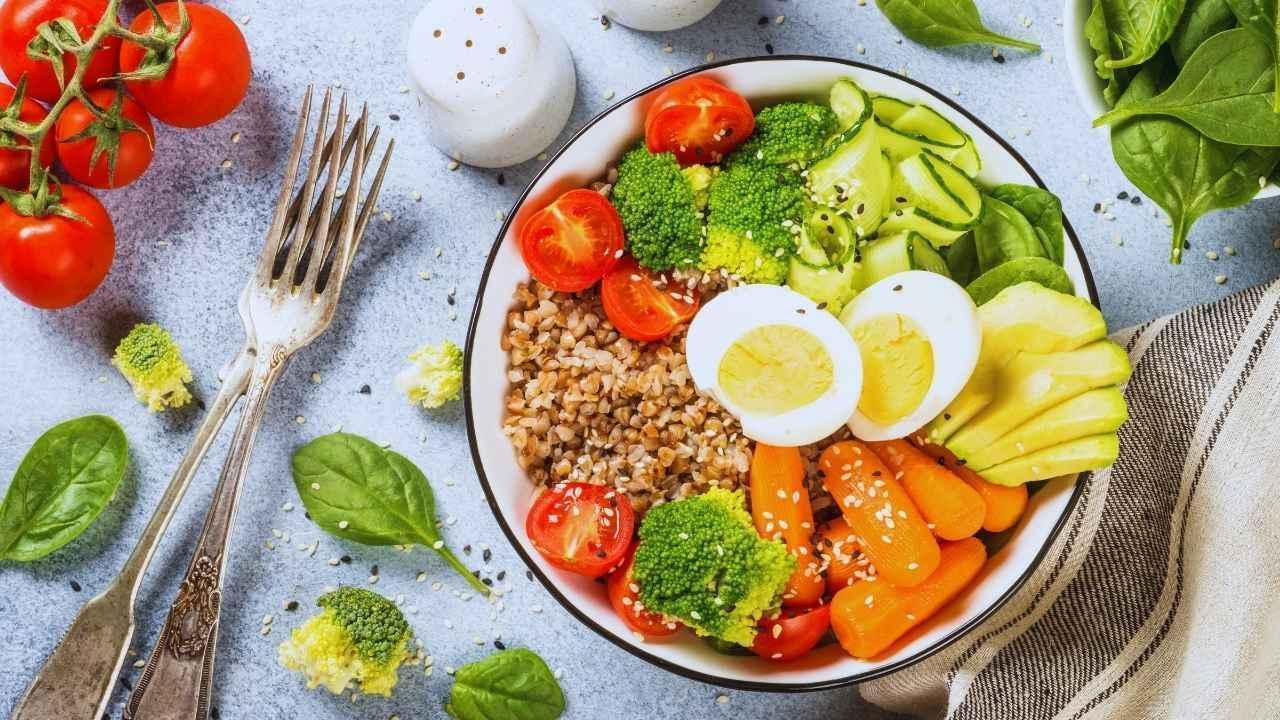
Modern studies highlight that anti-inflammatory diets are not about strict rules but about balance and nourishment. Key components include fruits, vegetables, whole grains, fatty fish, legumes, nuts, seeds, and healthy oils such as olive oil. These foods are rich in antioxidants, polyphenols, omega-3 fatty acids, and fiber—all known to reduce inflammatory markers in the body. By contrast, diets high in processed foods, added sugars, and trans fats are shown to increase inflammation.
The latest studies are uncovering more specific links between diet and health outcomes:
Brain Health: Anti-inflammatory foods such as berries, leafy greens, and fatty fish are associated with reduced risk of cognitive decline and dementia.
Gut Microbiome: In 2025, scientists emphasize the role of gut bacteria in controlling inflammation. Diets rich in fiber and fermented foods enhance gut health, which in turn reduces systemic inflammation.
Longevity: Populations following Mediterranean-style diets, which align with anti-inflammatory principles, continue to show longer life expectancy and lower rates of age-related diseases.
Personalized Nutrition: New AI-driven health apps are helping people tailor anti-inflammatory diets to their genetics, lifestyle, and health risks, making the approach more personalized and effective.
Some ingredients have taken the spotlight this year as science confirms their strong anti-inflammatory benefits:
Turmeric and Ginger: Powerful natural anti-inflammatory agents widely used in both traditional medicine and modern recipes.
Blueberries and Cherries: Rich in anthocyanins, known to reduce oxidative stress.
Leafy Greens: Spinach, kale, and arugula remain staples for their nutrient density.
Fatty Fish: Salmon, sardines, and mackerel continue to be recommended for their omega-3 content.
Olive Oil: A cornerstone of anti-inflammatory eating, linked to heart health.
While diet is essential, lifestyle choices such as regular exercise, adequate sleep, and stress management significantly enhance the benefits of anti-inflammatory eating. In 2025, integrative medicine emphasizes the importance of combining diet with holistic health practices to combat inflammation more effectively.
Anti-inflammatory eating has become a global phenomenon. In North America, wellness culture has embraced plant-forward meals and functional foods. In Asia, traditional diets rich in vegetables, soy, and fish align naturally with anti-inflammatory principles. Meanwhile, European countries continue to celebrate Mediterranean staples that science consistently supports as protective. This global acceptance shows that anti-inflammatory eating is adaptable across cultures and cuisines.
Despite its popularity, anti-inflammatory diets face challenges. Many people confuse them with restrictive eating or fad diets. In reality, these diets are about variety and sustainability rather than exclusion. Another challenge is accessibility—while some anti-inflammatory foods are affordable, others like exotic berries or supplements can be expensive. Educators and health professionals are working to highlight local, cost-effective alternatives so that more people can benefit.
In 2025, science is clear: anti-inflammatory diets are not just another health fad but a proven path to better living. Looking ahead, we can expect greater integration of these diets into healthcare systems. Hospitals and clinics are beginning to design meal plans based on anti-inflammatory principles, and governments are encouraging healthier food policies in schools and workplaces. With ongoing research, the connection between diet, genetics, and inflammation will become even more precise, paving the way for more effective and personalized nutrition.
This article is for informational purposes only and does not replace professional medical advice. Always consult a healthcare provider or registered dietitian before making major dietary changes, especially if you have chronic health conditions.










Jordan Burroughs Returns to Wrestling with 2028 Olympic Dream
Jordan Burroughs returns to wrestling with Real American Freestyle as the Olympic champion eyes a po

Lamborghini Catches Fire on Singapore's ECP, Causing Heavy Traffic
A Lamborghini caught fire on Singapore's ECP, causing heavy traffic and bus delays. No injuries were

Bangkok Airport Duty-Free Area Flooded by Pipe Burst
A burst water pipe flooded the duty-free shopping area at Bangkok's Suvarnabhumi Airport on July 16,

Nine Monks Killed in Thailand Pickup Truck Tragedy
An 11-year-old boy driving a pickup truck crashed into monks during a pilgrimage in northeastern Tha

Anwar Congratulates Xi on CPC's 105th Anniversary
Malaysia reaffirms strong ties with China as PM Anwar Ibrahim sends a congratulatory letter to Presi

Thai Agriculture Team Reviews 2026 Farm Development Plans
Agriculture Ministry officials inspected livestock and organic rice projects in Nakhon Sawan to moni