
You have not yet added any article to your bookmarks!
Join 10k+ people to get notified about new posts, news and tips.
Do not worry we don't spam!
Post by : Shweta
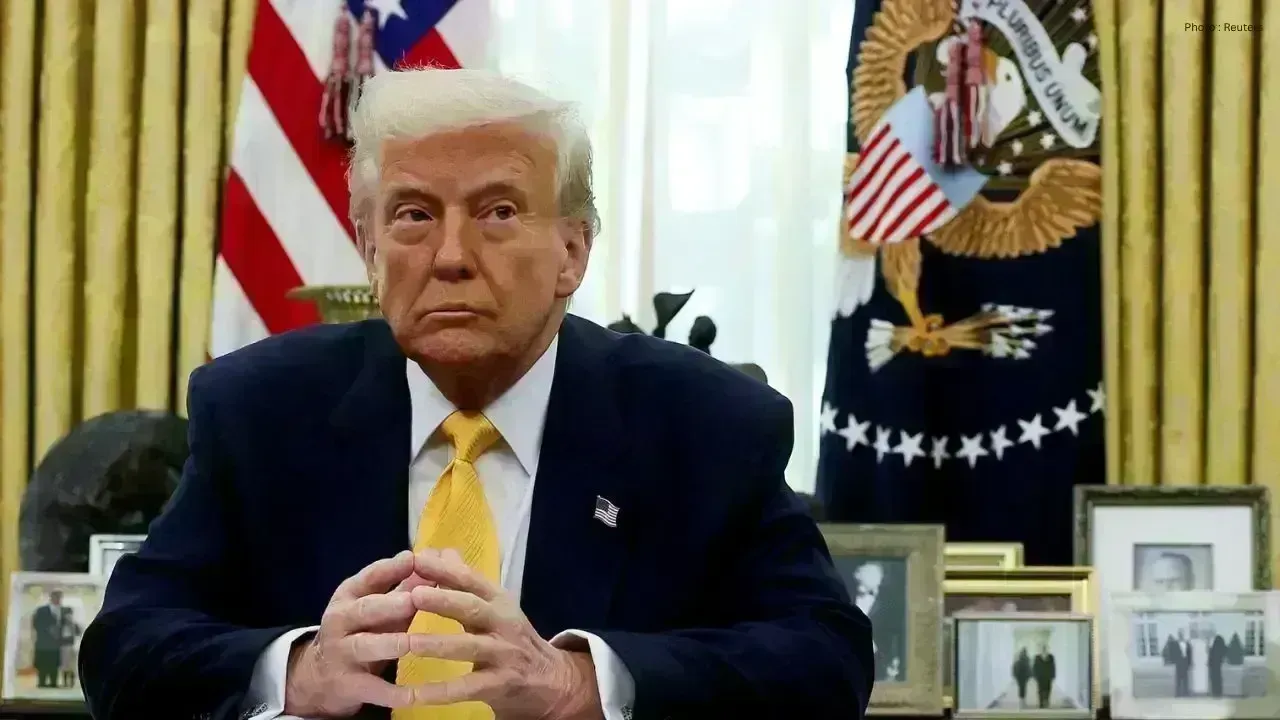
The global oil markets experienced significant volatility on Monday following a stern warning from Donald Trump to Iran, demanding the reopening of the vital Strait of Hormuz or facing potential military repercussions. This has heightened tensions in an already fraught region, leading to worries about global energy availability.
In early Asian trading, oil prices surged, with Brent crude spiking above the $110 per barrel threshold before seeing a slight decrease later in the session. The market remained tentative amid reports suggesting ongoing talks between the U.S. and Iran over a possible temporary ceasefire. Analysts note that this uncertainty underscores the persistent risks in the area and the critical nature of secure oil supply routes.
The Strait of Hormuz is key to global oil and gas shipments, accounting for nearly 20% of the world's energy supply. Disruptions here can lead to rapid fluctuations in oil pricing and inflation across various nations. Iran's recent threats to target vessels in the area have already contributed to delays in Middle Eastern shipments.
These rising tensions follow weeks of conflict involving U.S. and Israeli airstrikes on Iranian-associated facilities since late February. In retaliation, Iran has reportedly attacked oil and petrochemical infrastructures in Gulf nations, including Kuwait, Bahrain, and the UAE, raising fears of a larger regional conflict impacting global markets.
Amid the ongoing situation, it was reported that the U.S., Iran, and regional mediators might be in discussions for a possible 45-day ceasefire. Although not officially confirmed, such an agreement could de-escalate tensions and stabilize oil prices if it comes to fruition. However, the response from U.S. officials regarding these negotiations remains pending.
Additionally, the Organization of the Petroleum Exporting Countries (OPEC+) has announced a modest increase in oil production for May, intending to raise output by about 206,000 barrels per day. Nevertheless, analysts suggest that this increased production might have limited effect, as several member countries face challenges in ramping up their output due to ongoing conflicts.
Tensions escalated further after Trump's assertive statement on social media, threatening Iran with severe consequences if the Strait remains closed, while hinting at military options if a resolution isn’t reached soon. Iranian officials have dismissed the warning, with military leaders issuing their own stark reminders of potential escalations if assaults on their infrastructure continue.
Experts cautioned that prolonged tensions could result in rising energy costs worldwide. Increased oil prices typically lead to higher transportation and manufacturing expenses, ultimately impacting daily consumer goods and driving global inflation. Consequently, governments and markets are vigilantly observing developments for indicators of either escalation or diplomatic resolution.
Currently, oil markets remain highly responsive to news from the region. Any favorable updates regarding negotiations might restore a modicum of stability, while further hostilities could drive prices even higher in the days ahead.










PM Modi Pays Tribute to Mahatma Gandhi, Urges People to Support Khadi
PM Modi pays tribute to Mahatma Gandhi on Gandhi Jayanti and urges citizens to support Khadi and the

Amazon Seeks to Offload $8 Billion in Nvidia Chips to Investors
Amazon plans to move $8 billion in Nvidia chips to investors, using a new financing model to strengt

Samsung Raises Galaxy S26 Prices as Memory Chip Costs Rise
Samsung raises Galaxy S26 prices in South Korea as rising memory chip costs put pressure on smartpho

Lewis Hamilton Calls Singapore Grand Prix One of F1's Toughest Races
Lewis Hamilton discusses the demanding Singapore Grand Prix and brings Plus44 and Almave to Singapor

Denmark's Pandora Opens World's Largest Jewellery Factory in Vietnam
Pandora opens its largest jewellery factory in Vietnam, expanding global production, strengthening s

Gautam Gambhir Questions Batting-Friendly Pitches After India's Record ODI Chase
Gautam Gambhir questions batting-friendly ODI pitches after India’s record chase, calling for a bett

