
You have not yet added any article to your bookmarks!
Join 10k+ people to get notified about new posts, news and tips.
Do not worry we don't spam!
Post by : Rohit Dhiman
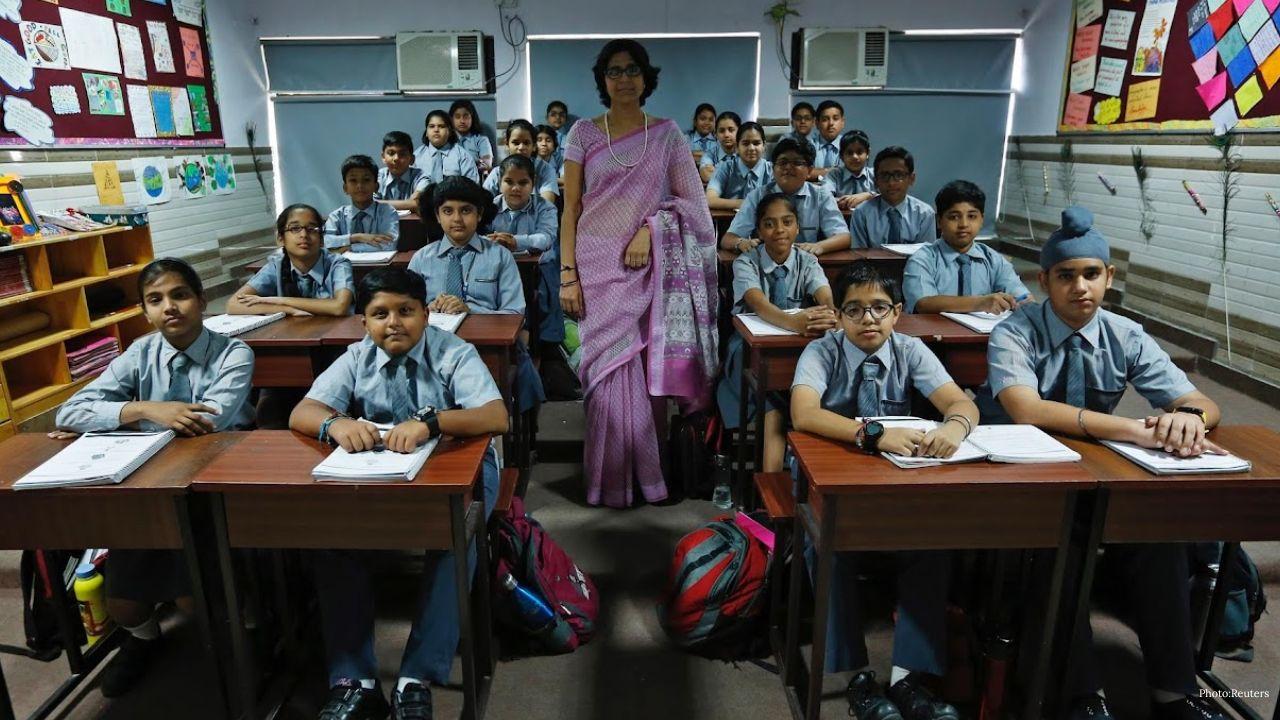
Malaysia’s Human Rights Commission, Suhakam, has called on the Education Ministry to introduce clear nationwide procedures for cases involving students who go missing from school or cannot be located. The recommendation comes after the death of 16-year-old Irene Sofiya Khairoul Faisal in Batu Pahat, Johor, a case that is being investigated as murder. Suhakam’s Children’s Commissioners said schools need a consistent system that tells staff exactly what should happen when a student cannot be accounted for. The commissioners said such a framework should not leave schools deciding individually how long they should wait before starting a search or informing parents. Instead, there should be clear time limits, defined responsibilities and specific conditions for contacting police. The aim is to ensure that precious time is not lost when a student disappears or cannot be located within school premises.
One of Suhakam’s main recommendations is the introduction of standardised procedures for a missing student. Under the proposed approach, schools would need to establish immediate search arrangements and identify which members of staff are responsible for different parts of the response. The process would also set out when parents or guardians should be contacted and when school administrators need to be notified. Another important element would be a clear threshold for involving the police. The commissioners said having such procedures in advance could help schools respond quickly instead of spending valuable time working out who should take responsibility during an emergency. A consistent approach could also make communication between teachers, school administrators, families and law enforcement more organised when a child cannot be located.
Suhakam has also urged the Education Ministry to conduct targeted risk assessments for activities that take place after normal school hours. According to the commission, the risks can change once the regular school timetable ends. Staffing levels may be lower, students may move between different parts of the campus, and some areas may have limited supervision. These circumstances can include extra classes, co-curricular programmes, sports training and other late-afternoon activities. The commission wants schools to examine how students are monitored during these periods and whether there are locations within school grounds where supervision is inadequate. The focus is not only on physical security but also on knowing where students are, who is responsible for them and what procedures are followed when a student leaves an activity or fails to report to the expected location.
The recommendations follow the death of Irene Sofiya Khairoul Faisal, a 16-year-old Form 4 student in Johor. According to the reported details, Irene was found in the school hall by her grandmother after the teenager did not return home from a tuition class. Federal police are investigating the case as murder and said the teenager died from blunt force trauma to the head. Three 16-year-old male students were arrested to assist with the investigation. One of them has been remanded until Oct 9. Suhakam has stressed that the broader discussion about school protection should not interfere with the ongoing criminal investigation. The commission said criminal investigations and institutional safeguarding reviews serve different purposes.
Suhakam said ordinary morning attendance records are not enough to provide complete oversight of students throughout the school day. Schools should have systems that allow staff to account for students during extra classes, sports training, co-curricular activities and other programmes held after regular lessons. This could include clearer check-out and handover procedures so that schools know when students leave the premises and who has responsibility for them at different stages. The recommendation is particularly important for activities where students are spread across different buildings, halls, sports facilities or less frequently used parts of the school grounds. By strengthening these procedures, schools could potentially identify an unexplained absence earlier rather than discovering much later that a student has not been accounted for.
The Children’s Commissioners have also called for nationwide safeguarding audits across schools. These assessments would go beyond traditional checks such as gates, security arrangements and physical infrastructure. They would examine how schools monitor student movement, record concerns and respond to situations in which a child cannot be located. The audits would also look for possible “blind spots” around school facilities, including areas that may receive limited supervision. Another area of focus would be staff awareness. Teachers and other school personnel need to understand their responsibilities when a child appears to be missing, faces a safety concern or reports a safeguarding issue. Suhakam said this wider approach is necessary to develop a more proactive child protection culture across educational institutions.
Read Also: Malaysia Think Tank Proposes GST Return, Lower Taxes and SME Relief
Suhakam is also calling for a nationwide programme to familiarise students with school protection policies and their rights. The commission said students should understand what school safety means, how to recognise bullying, abuse or harassment and where they can seek help when they feel unsafe. Reporting channels should be accessible, trusted and confidential. Students should also feel able to report concerns involving themselves or their classmates without fear of being ignored. The commission believes children should not simply be viewed as recipients of protection measures. They should also have a role in identifying risks and speaking up when something appears wrong.
The impact of a death within a school community can extend far beyond the immediate investigation. Classmates, friends, teachers and other students may experience fear, grief or emotional distress following such an incident. Suhakam has therefore urged the Education Ministry and relevant agencies to provide appropriate psychosocial support to affected students and educators. The commission also said interactions with child witnesses should be handled sensitively. Children should not be subjected to unnecessary repeated questioning, particularly when they may already be dealing with emotional trauma. A child-centred approach should remain a priority when schools and authorities respond to serious incidents.
Suhakam has separately urged the public, media organisations and social media users to respect the privacy and dignity of Irene Sofiya’s family. The commission has also cautioned against speculation and unverified claims surrounding the case. It said the rights, privacy and due process protections of children who may be witnesses, affected peers or persons under investigation must also be respected. This means the wider conversation about school safety should focus on prevention and institutional safeguards rather than drawing conclusions about the circumstances of the death before the police investigation is completed.
The recommendations put the focus on how schools can respond faster when a student cannot be accounted for and how risks can be identified before an emergency occurs. Suhakam wants the Education Ministry to establish clear missing-student procedures, strengthen supervision during after-school activities, conduct nationwide safeguarding audits and make students more aware of their protection rights. The commission has also stressed that raising these issues does not by itself mean that an institution failed in this particular case. Instead, the purpose of the proposed reforms is to identify possible weaknesses in existing systems and reduce risks in schools across Malaysia. For parents, teachers and students, the central issue is straightforward: when a child cannot be located, everyone involved should know what to do, who must be informed and how quickly action needs to begin.








Google Signs 3.6-GW Power Deal With Constellation Energy in US
Google signs a 3.6-GW power deal with Constellation Energy, including nuclear power upgrades to supp

Harmanpreet Kaur Steps Down as India Captain Across All Formats
Harmanpreet Kaur steps down as India captain across all formats after a remarkable leadership journe

Michael Bracewell Chooses Casual Contract, Targets BBL Opportunity
Michael Bracewell moves to a casual contract as he eyes a BBL opportunity while remaining available

Tuchel Says Alex Scott Can Challenge Declan Rice for England Midfield Spot
Thomas Tuchel says Alex Scott can challenge Declan Rice for an England midfield place after his impr
Air Quality Turns Unhealthy in Central and Western Singapore Amid Haze
Singapore haze pushes PSI above 100 in central and western areas as smoke from regional hotspots rai

PM Modi Pays Tribute to Mahatma Gandhi, Urges People to Support Khadi
PM Modi pays tribute to Mahatma Gandhi on Gandhi Jayanti and urges citizens to support Khadi and the

