
You have not yet added any article to your bookmarks!
Join 10k+ people to get notified about new posts, news and tips.
Do not worry we don't spam!
Post by : Rohit Dhiman
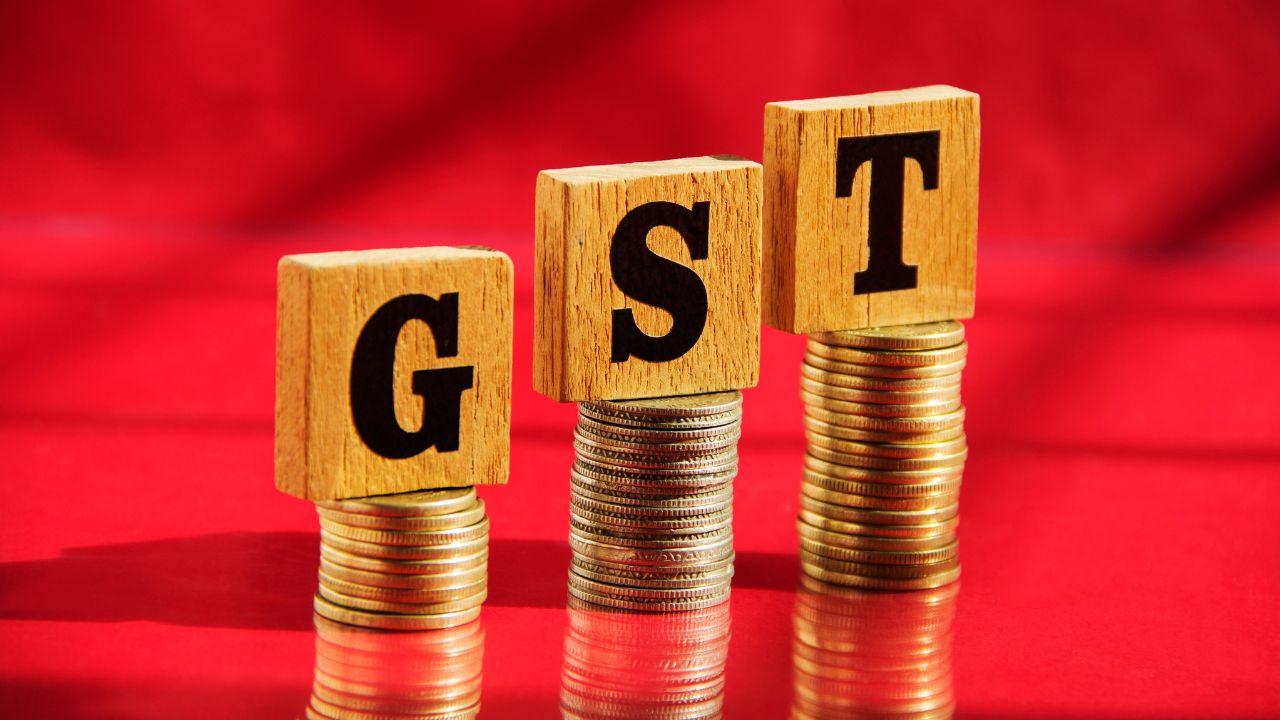
PETALING JAYA: Malaysia’s tax system could undergo a significant restructuring if proposals put forward by the Center for Market Education (CME) are taken up by the government. The think tank has proposed bringing back the Goods and Services Tax (GST) while reducing personal and corporate income tax rates and easing tax-related cash-flow pressure on small businesses. The recommendations were outlined in a policy brief prepared by CME chief executive officer Carmelo Ferlito. The proposal is based on a revenue-neutral approach, meaning the objective is not to simply increase the amount of money collected by the government but to change the way the tax burden is distributed. Under the proposed model, a portion of the burden currently placed on personal income and corporate profits would be shifted towards consumption. Ferlito said Malaysia should focus on creating a tax system that is more efficient and better structured rather than simply increasing taxation.
One of the central recommendations is the reintroduction of GST in Malaysia to replace the existing sales and service tax (SST). CME has proposed a GST system with a broad tax base, limited exemptions, a reasonable registration threshold and a small number of tax rates. It also wants tax refunds to be processed faster through clear and rules-based procedures. The think tank stressed that GST should not become an additional tax imposed on top of existing income taxation. Instead, part of the revenue generated through consumption tax should provide room for reducing taxes on income. This would represent a major shift in Malaysia’s tax structure, with the government collecting a greater share of revenue from consumption while reducing some of its dependence on taxes on earnings and corporate profits. Malaysia previously introduced GST in April 2015 at a rate of 6%. The system was later zero-rated in June 2018 and subsequently replaced by SST in September 2018.
The proposal also includes changes to personal income tax. CME wants the tax structure to be simplified by reducing the number of tax brackets and making the remaining bands wider. It has also suggested increasing the tax-free or low-tax threshold so that lower-income earners face less pressure. The think tank has further called for lower tax rates for middle- and higher-income groups. However, CME has suggested that these reductions should be introduced gradually rather than immediately. The pace of tax cuts would depend on how much additional fiscal space is created through the proposed reforms. The organisation believes that reducing direct taxation could leave individuals with more disposable income while allowing the government to collect a larger proportion of revenue through consumption.
Businesses are also at the centre of the proposed reforms. CME has called for Malaysia’s 24% corporate tax rate to be gradually reduced. The aim would be to allow companies to retain more of their earnings and use those funds for investment, expansion and other productive activities. The think tank has also proposed removing preferential SME tax treatment based on the nationality of shareholders. Under the current arrangement highlighted in the policy brief, companies with more than 20% foreign ownership may not qualify for certain preferential SME tax rates. CME has argued for a system that focuses more on the nature and size of a business instead of shareholder nationality. Such a change could particularly affect businesses with foreign investment that currently fall outside certain SME tax benefits.
Another major part of the proposal focuses on SME tax relief, particularly the amount of working capital available to micro and small businesses. CME has proposed abolishing monthly advance tax payments under the CP204 system for micro and small enterprises. The proposal would allow these businesses to retain their working capital until their actual tax liability is determined. For smaller companies, the timing of tax payments can have a direct impact on day-to-day operations. Businesses need cash to pay employees, suppliers, rent, utilities, inventory costs and other expenses. CME believes that requiring small businesses to make advance payments before their final tax liability is known can place unnecessary pressure on their cash flow. By changing the timing of these payments, the think tank says small businesses could have greater access to their own working capital during the year.
CME has also proposed a simpler tax arrangement for informal businesses that are not yet fully integrated into the standard tax system. The proposal calls for a low presumptive tax regime based on a small percentage of self-declared turnover. Under this model, informal businesses could initially operate under a simpler tax structure before gradually moving into the standard system as their businesses become larger. The proposal is intended to reduce the administrative burden associated with formalisation and encourage more small operators to enter the formal economy. CME believes a simpler starting point could make compliance more manageable for very small businesses while eventually bringing them into the wider tax system.
The proposed tax changes are also linked to broader reforms in government spending and subsidies. CME has recommended replacing blanket subsidies with targeted digital vouchers that would provide assistance directly to households. Instead of maintaining broad subsidies that benefit consumers across income groups, the proposed system would direct support towards households that qualify for assistance. The think tank believes this could help the government use public funds more efficiently and create additional fiscal room for other reforms. The savings and additional revenue generated through these changes could then support the gradual reduction of income tax rates, according to the proposal.
Read Also: Anwar Warns Schools Against Hiding Bullying Cases to Protect Reputation
The central argument behind the policy brief is that Malaysia should restructure its tax system rather than simply introduce new taxes. CME wants the government to move towards a model where consumption plays a greater role in revenue collection while income and corporate taxes are gradually reduced. The proposed Malaysia GST system would therefore be linked directly to reductions in other forms of taxation. For individuals, the plan could mean changes to personal income tax rates and the point at which tax becomes payable. For businesses, it could involve lower corporate taxation and changes to advance tax payments.







Google Signs 3.6-GW Power Deal With Constellation Energy in US
Google signs a 3.6-GW power deal with Constellation Energy, including nuclear power upgrades to supp

Harmanpreet Kaur Steps Down as India Captain Across All Formats
Harmanpreet Kaur steps down as India captain across all formats after a remarkable leadership journe

Michael Bracewell Chooses Casual Contract, Targets BBL Opportunity
Michael Bracewell moves to a casual contract as he eyes a BBL opportunity while remaining available

Tuchel Says Alex Scott Can Challenge Declan Rice for England Midfield Spot
Thomas Tuchel says Alex Scott can challenge Declan Rice for an England midfield place after his impr
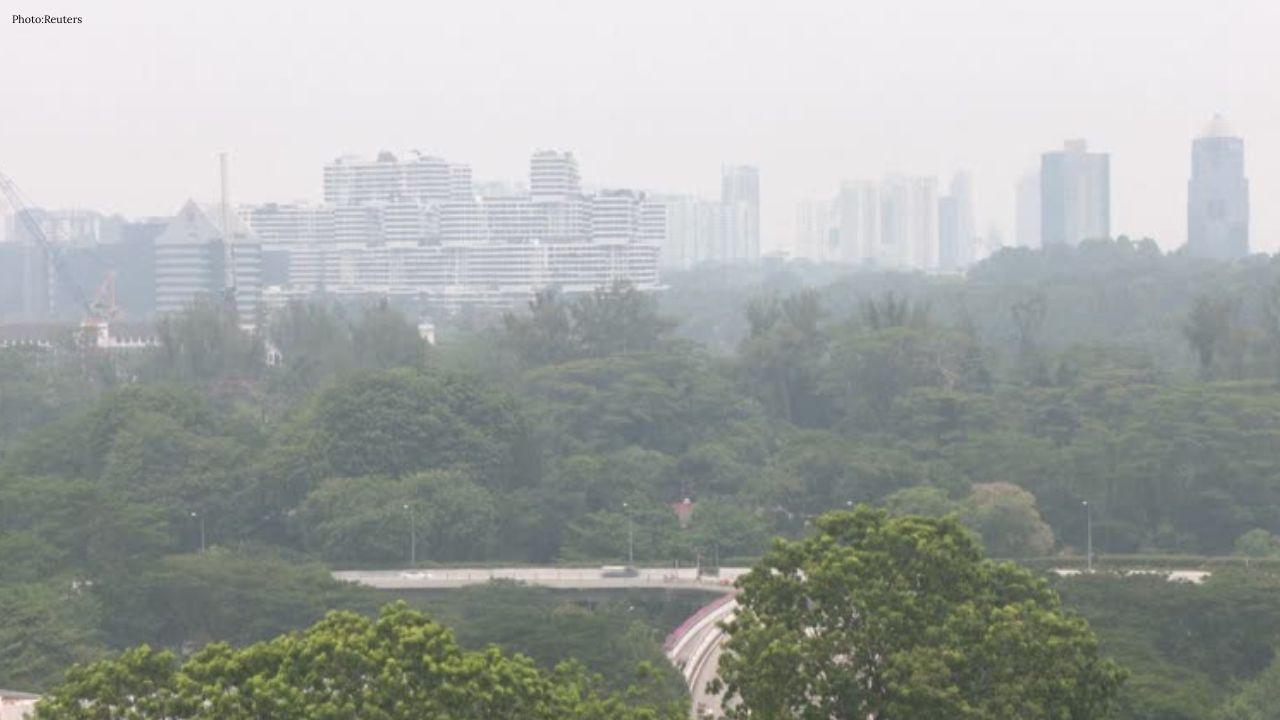
Air Quality Turns Unhealthy in Central and Western Singapore Amid Haze
Singapore haze pushes PSI above 100 in central and western areas as smoke from regional hotspots rai

PM Modi Pays Tribute to Mahatma Gandhi, Urges People to Support Khadi
PM Modi pays tribute to Mahatma Gandhi on Gandhi Jayanti and urges citizens to support Khadi and the

