
You have not yet added any article to your bookmarks!
Join 10k+ people to get notified about new posts, news and tips.
Do not worry we don't spam!
Post by : Rameen Ariff
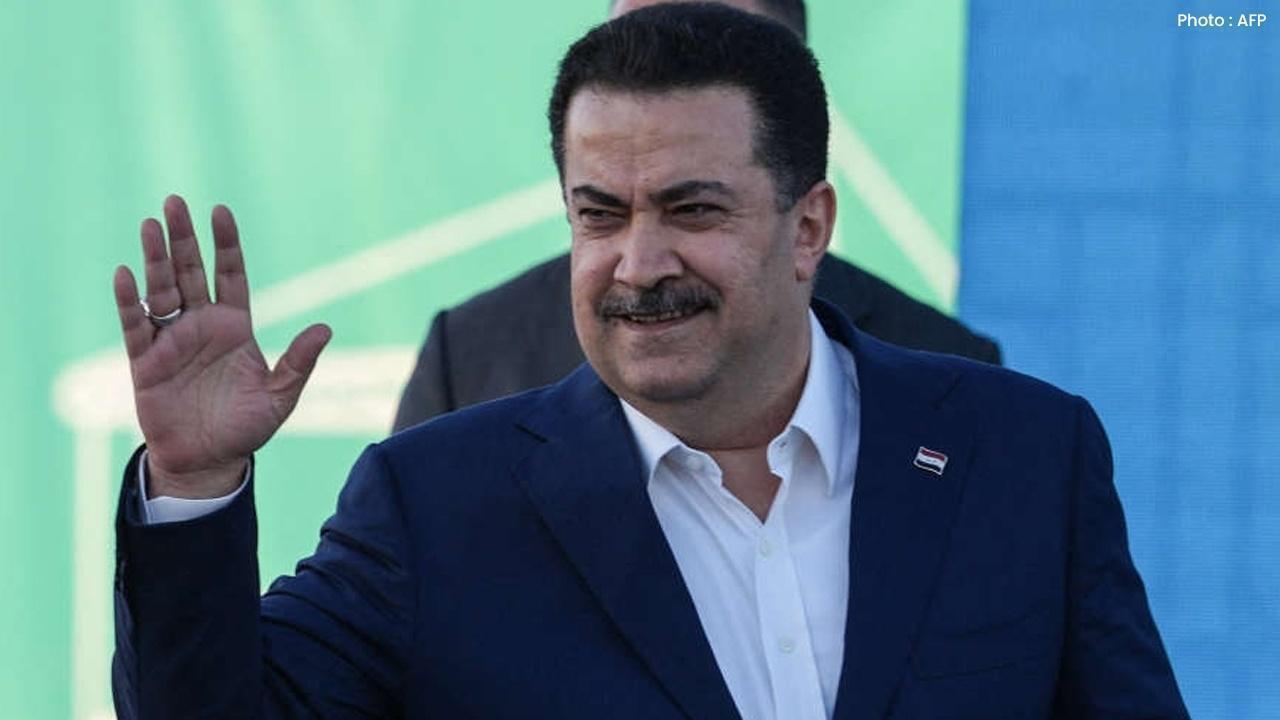
In the recent parliamentary elections held in Iraq, Prime Minister Mohammed Shia al-Sudani’s coalition achieved the highest seat count, as confirmed by the final results announced on Monday. Nevertheless, the path to forming a new government is anticipated to be lengthy, given the evolving negotiations among key political factions aiming to establish a stable majority.
The Independent High Electoral Commission reported that Sudani’s alliance gained 46 out of 329 total parliamentary seats, leading over its competitors. Following this, the State of Law coalition, under former Prime Minister Nouri al-Maliki, secured 29 seats, while the Taqaddum Party obtained 27 seats, representing Iraq’s Sunni areas, and the Kurdistan Democratic Party (KDP) garnered 26.
Voter turnout for this election reached 56.11 percent, indicating a significant public interest despite ongoing concerns regarding the political atmosphere and pervasive dissatisfaction, particularly among the youth.
Navigating Government Formation and Challenges
Following the announcement of the election results, Iraq’s ruling coalition asserted its status as the largest bloc in parliament. Sudani’s alliance is poised to move ahead in nominating a candidate for prime minister in the upcoming governance phase.
While Sudani aims to secure a second term, many youthful voters voiced their frustrations during the campaign, perceiving the elections as a continuation of the traditional political elites controlling Iraq's oil wealth. Despite this sentiment, Sudani has advocated for his leadership capabilities in restoring stability and enhancing institutional governance after years of challenges.
Grasping International Relations and Security Challenges
The future government will grapple with significant domestic and international pressures as Iraq stands at a crossroads of U.S. and Iranian influence. The new administration must skillfully manage ties with Washington while contending with numerous armed groups linked to Iran, many of which operate beyond direct government control.
U.S. officials have intensified calls for Baghdad to limit armed factions' actions, while Iranian-linked entities retain substantial political and security sway nationwide. Addressing this balance is poised to be one of the foremost tests for the incoming government.
Reflections and Insights
Political figures within the ruling bloc have expressed optimism about forming a government that can confront current issues. However, analysts highlight that the government formation process in Iraq is often protracted, necessitating consensus-building among various political groups.
Experts also emphasize that despite winning the most seats, Sudani’s coalition will have to engage in negotiations with numerous parties, including Sunni, Shia, and Kurdish factions, to establish a reliable governing majority, a ritual historically fraught with delays and intricate negotiations.










PM Modi Pays Tribute to Mahatma Gandhi, Urges People to Support Khadi
PM Modi pays tribute to Mahatma Gandhi on Gandhi Jayanti and urges citizens to support Khadi and the

Amazon Seeks to Offload $8 Billion in Nvidia Chips to Investors
Amazon plans to move $8 billion in Nvidia chips to investors, using a new financing model to strengt

Samsung Raises Galaxy S26 Prices as Memory Chip Costs Rise
Samsung raises Galaxy S26 prices in South Korea as rising memory chip costs put pressure on smartpho

Lewis Hamilton Calls Singapore Grand Prix One of F1's Toughest Races
Lewis Hamilton discusses the demanding Singapore Grand Prix and brings Plus44 and Almave to Singapor

Denmark's Pandora Opens World's Largest Jewellery Factory in Vietnam
Pandora opens its largest jewellery factory in Vietnam, expanding global production, strengthening s

Gautam Gambhir Questions Batting-Friendly Pitches After India's Record ODI Chase
Gautam Gambhir questions batting-friendly ODI pitches after India’s record chase, calling for a bett

