
You have not yet added any article to your bookmarks!
Join 10k+ people to get notified about new posts, news and tips.
Do not worry we don't spam!
Post by : Shweta
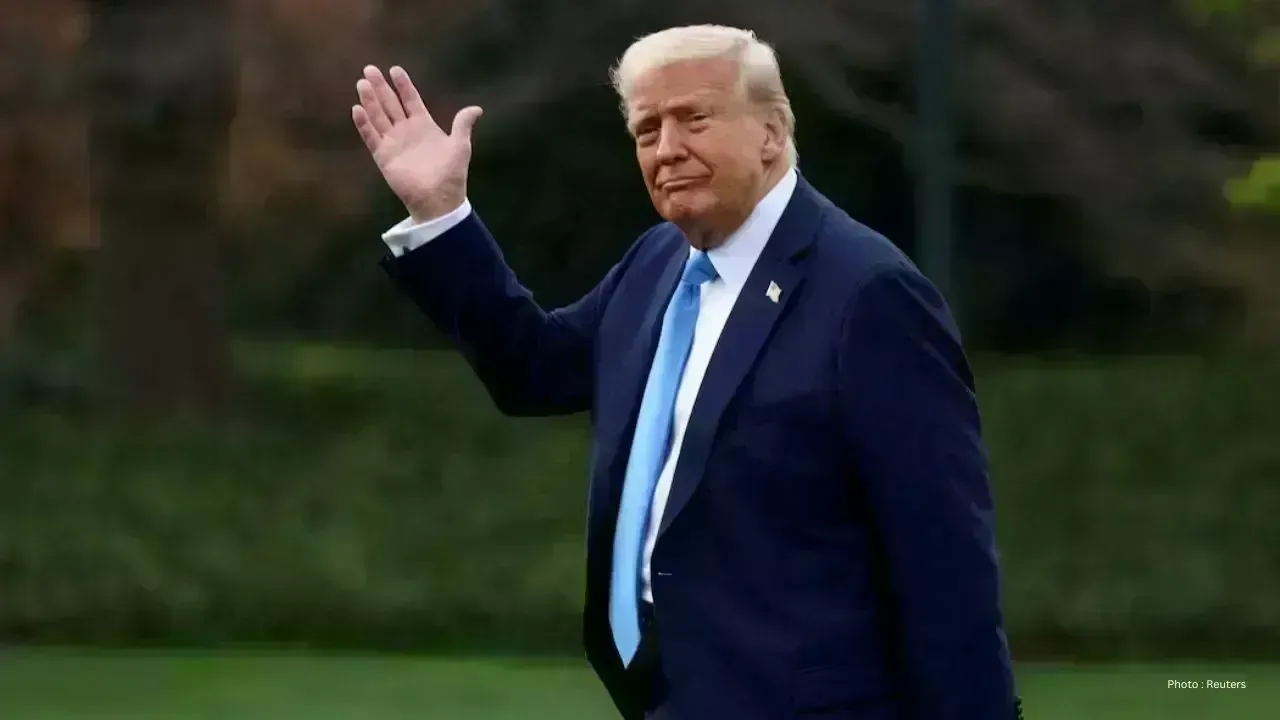
The U.S. government has unveiled a pivotal initiative aimed at fortifying its power grid and overarching energy infrastructure through a recent presidential directive. This strategy emphasizes enhancing domestic capabilities and minimizing dependence on foreign supply chains, particularly for essential electrical components.
As stated in the directive, the existing grid framework is becoming obsolete and is under increasing strain. Government officials warn that limited manufacturing capacity, extended production timelines, and reliance on imported materials pose significant risks. These vulnerabilities could jeopardize national security, notably during crises such as international conflicts, natural disasters, or economic turmoil.
The directive underscores that critical grid elements—like transformers, transmission lines, substations, and power management systems—are fundamental to national defense. Nevertheless, the current U.S. infrastructure is not equipped to produce these components swiftly and in adequate quantities, raising alarms regarding the nation’s preparedness for imminent challenges.
In response, the administration will harness authorities under the Defense Production Act, enabling federal entities to provide financial assistance, execute direct purchases, and invest in amplifying manufacturing abilities. The objective is to expedite production processes and secure a reliable supply of vital infrastructure.
The directive also includes provisions for waiving certain legal prerequisites to facilitate expedited actions. Authorities feel urgent measures are needed to avert shortages of critical technologies and industrial assets that could undermine defense readiness.
This initiative follows a prior announcement declaring a national energy crisis, recognizing energy production and infrastructure deficiencies as key threats to the economy and national security. By reinforcing domestic supply networks, the government aspires to enhance energy self-sufficiency and long-term resilience.
In conclusion, the plan seeks to rejuvenate the U.S. power grid, bolster local manufacturing, and better equip the nation for future adversities.










PM Modi Pays Tribute to Mahatma Gandhi, Urges People to Support Khadi
PM Modi pays tribute to Mahatma Gandhi on Gandhi Jayanti and urges citizens to support Khadi and the

Amazon Seeks to Offload $8 Billion in Nvidia Chips to Investors
Amazon plans to move $8 billion in Nvidia chips to investors, using a new financing model to strengt

Samsung Raises Galaxy S26 Prices as Memory Chip Costs Rise
Samsung raises Galaxy S26 prices in South Korea as rising memory chip costs put pressure on smartpho

Lewis Hamilton Calls Singapore Grand Prix One of F1's Toughest Races
Lewis Hamilton discusses the demanding Singapore Grand Prix and brings Plus44 and Almave to Singapor

Denmark's Pandora Opens World's Largest Jewellery Factory in Vietnam
Pandora opens its largest jewellery factory in Vietnam, expanding global production, strengthening s

Gautam Gambhir Questions Batting-Friendly Pitches After India's Record ODI Chase
Gautam Gambhir questions batting-friendly ODI pitches after India’s record chase, calling for a bett

