
You have not yet added any article to your bookmarks!
Join 10k+ people to get notified about new posts, news and tips.
Do not worry we don't spam!
Post by : Shweta
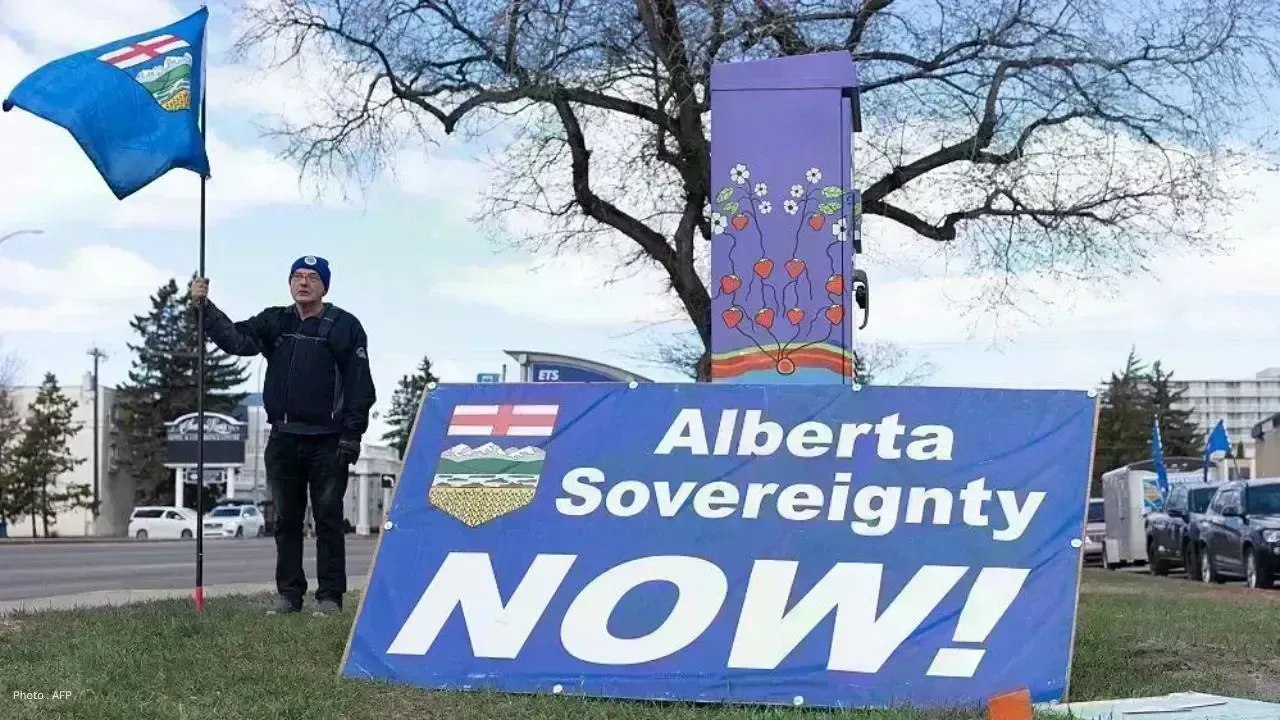
Stay Free Alberta has initiated an appeal following the Court of King’s Bench's dismissal of its proposed separation petition. This legal battle has sparked broader discussions on autonomy and referenda rights in the province.
The organization had sought to initiate a petition aimed at prompting a referendum concerning Alberta’s separation from Canada. However, the court declared that the petition did not comply with the established legal criteria for referenda within the province.
In response to the court's decision, Stay Free Alberta stated its intent to contest the ruling. The group's representatives emphasized that Albertans deserve the opportunity to engage in democratic discussions about their province's future and its relationship with the federal government.
This legal issue has garnered significant national interest, given that Alberta's separation remains a contentious subject in Canada. While the push for full separation may lack widespread support, ongoing debates about provincial rights and economic control continue to resonate among certain factions in Alberta.
Court filings indicated questions regarding the wording and constitutional legitimacy of the proposed petition. Legal commentators highlighted that Canadian provinces cannot simply break away from the country via a provincial referendum, adding layers of complexity to the legal framework surrounding such initiatives.
Advocates of Stay Free Alberta argue that the appeal is fundamentally about safeguarding democratic practices and allowing the populace to voice grievances against federal policies. Conversely, detractors contend that separation movements foster political division and uncertainty, offering impractical constitutional remedies.
Political experts suggest that this appeal could rekindle discussions on Western alienation, provincial independence, and the dynamics of federal-provincial relations. Such matters have historically fluctuated within Alberta's political landscape, particularly during economically challenging times tied to the energy sector.
So far, the Alberta government has not shown support for separation but continues to push for enhanced provincial authority in domains such as natural resources and taxation. Constitutional authorities maintain that any genuine attempt at separation would necessitate extensive legal discussions and national political engagement.
The forthcoming appeal process is likely to unfold in Alberta's judicial system over the next few months, with potential ramifications for future citizen-led petitions and political movements in the province.







APEC Members Emphasise Safe and Responsible Use of Artificial Intelligence
APEC members discuss responsible AI use, digital innovation and data governance as China and the US

Union of European Clubs Challenge UEFA and EFC Over EU Competition Rules
UEC files an EU competition complaint against UEFA and EFC, challenging club representation, governa

Mohammed Shami Retires From Test Cricket, Eyes White-Ball Career
Mohammed Shami retires from Test cricket after 13 years, with 229 wickets. He will continue playing

Singapore Warns Users About Privacy and Security Risks of AI Agents
Singapore warns users about AI agent security risks, data privacy, online scams and unauthorised acc

Chris Lynn Completes One-Month Ban After Positive Cocaine Test
Australian cricketer Chris Lynn completes a one-month ban after a positive cocaine test during the T

Djokovic Eyes Strong Season Finish as Health Improves Ahead of Paris Masters
Novak Djokovic reports improved health and performance as he targets a strong Paris Masters finish a