
You have not yet added any article to your bookmarks!
Join 10k+ people to get notified about new posts, news and tips.
Do not worry we don't spam!
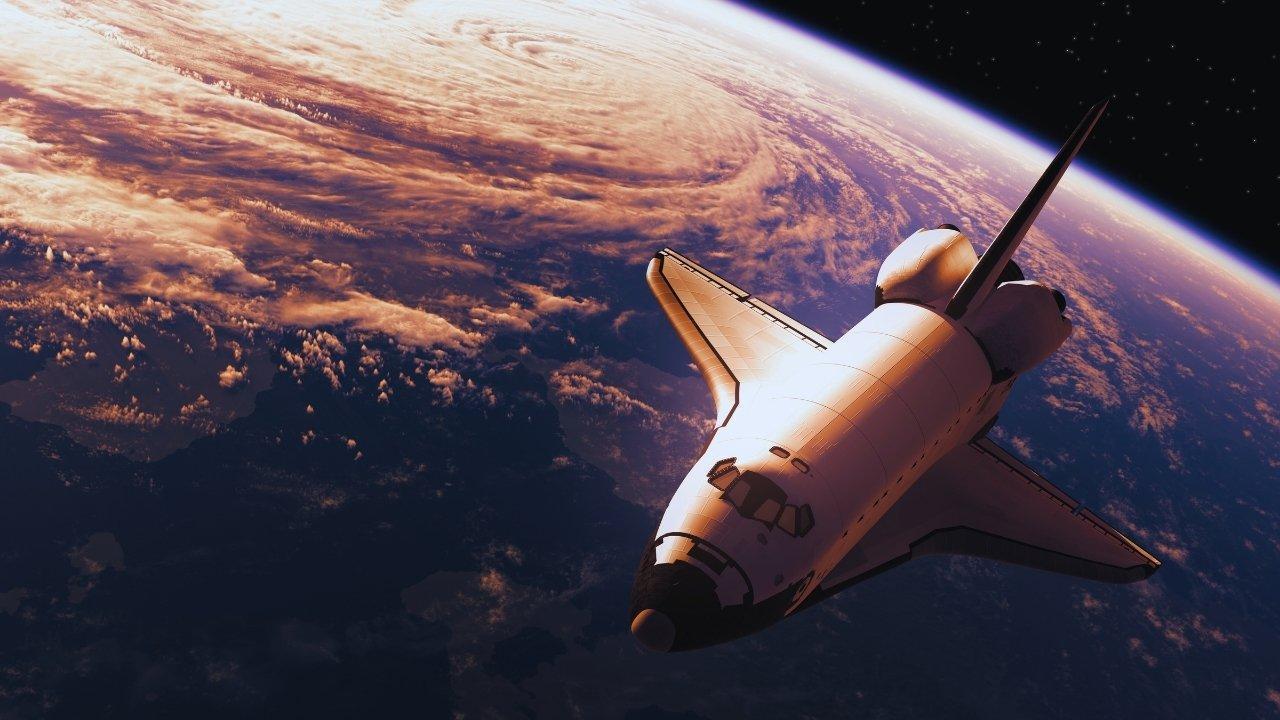
Post by : Anis Farhan
Space tourism has long captured the imagination of humanity, from Jules Verne’s novels to Hollywood blockbusters. Today, thanks to technological advancements and private space ventures, the dream of traveling beyond Earth is closer than ever. Companies like SpaceX, Blue Origin, and Virgin Galactic have already conducted commercial flights, offering passengers a glimpse of Earth from orbit.
However, the journey from novelty trips to a fully operational space tourism industry is complex. It requires careful consideration of technological, safety, financial, and environmental factors. Understanding the possibilities, risks, and infrastructure requirements is essential to grasp the potential and limitations of this emerging industry.
Space tourism offers experiences that no other vacation can provide. Travelers can witness Earth’s curvature, experience weightlessness, and view the planet from orbit. For those who can afford it, this represents a life-changing perspective on humanity and the universe.
Beyond personal experiences, space tourism presents substantial commercial potential. Hotels in orbit, lunar excursions, and even private research opportunities could generate new revenue streams. The industry could support secondary markets, including media rights, merchandising, and advanced training programs for tourists.
Space tourism is not just entertainment. Tourists’ flights can support research in microgravity, space biology, and Earth observation. Educational programs linked to commercial flights can inspire STEM students, encouraging a new generation of scientists, engineers, and explorers.
Commercial space tourism investments contribute to the broader aerospace sector. As private companies develop new rockets, safety systems, and habitats, governments and space agencies benefit from technological innovation and increased public interest in space exploration.
Space travel exposes passengers to extreme conditions, including microgravity, cosmic radiation, and high acceleration forces during launch and re-entry. These conditions pose risks such as nausea, bone density loss, cardiovascular strain, and potential long-term effects on health.
The environmental cost of frequent rocket launches is significant. Propellant emissions can contribute to atmospheric pollution and ozone depletion. As tourism flights increase, the industry must find sustainable fuel alternatives and mitigate environmental damage.
Currently, space tourism is accessible only to the ultra-wealthy. Tickets range from hundreds of thousands to tens of millions of dollars. While costs may decline with technological advancements, affordability remains a barrier to widespread participation.
Rocket launches involve complex engineering and remain prone to technical failures. Even with rigorous safety protocols, accidents can occur, posing risks to passengers and crew. Redundant safety systems, thorough testing, and trained personnel are crucial to minimizing these risks.
Space tourism operates in a relatively new regulatory landscape. Issues such as liability, insurance, airspace rights, and international treaties must be addressed to protect both passengers and operators. Establishing clear global standards is essential for industry growth.
Dedicated spaceports with advanced launch pads, control centers, and emergency systems are essential. These facilities must accommodate rockets, spacecraft, and large support teams while meeting safety and environmental standards.
Before traveling to space, tourists require rigorous training. Simulators, centrifuge experiences, and zero-gravity practice prepare participants for launch, microgravity conditions, and safe re-entry. Training infrastructure ensures passengers are physically and mentally ready for the journey.
As space tourism evolves, longer-duration trips may become possible. Orbital hotels, lunar bases, and commercial research stations will require advanced life support systems, radiation shielding, and comfortable living quarters. Developing such habitats demands substantial investment and international collaboration.
Comprehensive logistics, including mission planning, emergency response, and medical support, are critical. Ground support teams, real-time monitoring, and communication networks ensure safety and operational efficiency during flights.
Developing eco-friendly propulsion systems is necessary to reduce the environmental impact of repeated launches. Companies are exploring reusable rockets, green fuels, and hybrid propulsion methods to make space tourism more sustainable.
Private companies are spearheading the growth of space tourism.
Blue Origin focuses on suborbital flights, offering short-duration experiences for tourists while emphasizing reusable rockets to lower costs and reduce environmental impact.
Virgin Galactic provides commercial suborbital trips with a focus on safety, training, and passenger experience.
SpaceX is pioneering orbital flights and private missions to the Moon, demonstrating the potential for longer-duration space tourism.
These companies, alongside government space agencies, contribute to research, infrastructure development, and regulatory frameworks that support the industry’s expansion.
Space tourism primarily targets wealthy individuals seeking novel experiences. Media coverage of commercial flights has heightened interest and created a perception of exclusivity.
As technology matures and costs decrease, middle-income travelers may eventually access short suborbital trips. Public interest, combined with improved safety and affordability, could expand the market significantly over the next two decades.
Media representation of space travel fuels enthusiasm. Films, documentaries, and social media coverage create aspirational demand, encouraging investment and innovation within the sector.
The space tourism industry is poised for rapid growth. Over the next decade, we may witness:
Commercial orbital flights for tourists and researchers
Space hotels in low Earth orbit
Lunar flybys and eventual lunar stays
Enhanced collaboration between private companies and government agencies
However, the industry must balance innovation with safety, environmental sustainability, and equitable access. Regulatory frameworks, ethical considerations, and public awareness will shape the future of space tourism.
Space tourism represents one of the most exciting frontiers of human experience. It offers unparalleled adventure, scientific opportunities, and commercial potential, yet comes with substantial risks and infrastructure demands. Achieving a safe, sustainable, and accessible industry requires advanced technology, stringent regulations, and responsible environmental stewardship.
By addressing these challenges, space tourism can evolve from a luxury novelty into a transformative chapter in human exploration, connecting people to the universe in ways previously imagined only in science fiction.
This article is intended for informational purposes and does not constitute professional advice. Space tourism involves significant financial, physical, and environmental risks. Individuals considering participation should consult experts and carefully evaluate personal suitability and safety.










PM Modi Pays Tribute to Mahatma Gandhi, Urges People to Support Khadi
PM Modi pays tribute to Mahatma Gandhi on Gandhi Jayanti and urges citizens to support Khadi and the

Amazon Seeks to Offload $8 Billion in Nvidia Chips to Investors
Amazon plans to move $8 billion in Nvidia chips to investors, using a new financing model to strengt

Samsung Raises Galaxy S26 Prices as Memory Chip Costs Rise
Samsung raises Galaxy S26 prices in South Korea as rising memory chip costs put pressure on smartpho

Lewis Hamilton Calls Singapore Grand Prix One of F1's Toughest Races
Lewis Hamilton discusses the demanding Singapore Grand Prix and brings Plus44 and Almave to Singapor

Denmark's Pandora Opens World's Largest Jewellery Factory in Vietnam
Pandora opens its largest jewellery factory in Vietnam, expanding global production, strengthening s

Gautam Gambhir Questions Batting-Friendly Pitches After India's Record ODI Chase
Gautam Gambhir questions batting-friendly ODI pitches after India’s record chase, calling for a bett

