
You have not yet added any article to your bookmarks!
Join 10k+ people to get notified about new posts, news and tips.
Do not worry we don't spam!
Post by : Rohit Dhiman
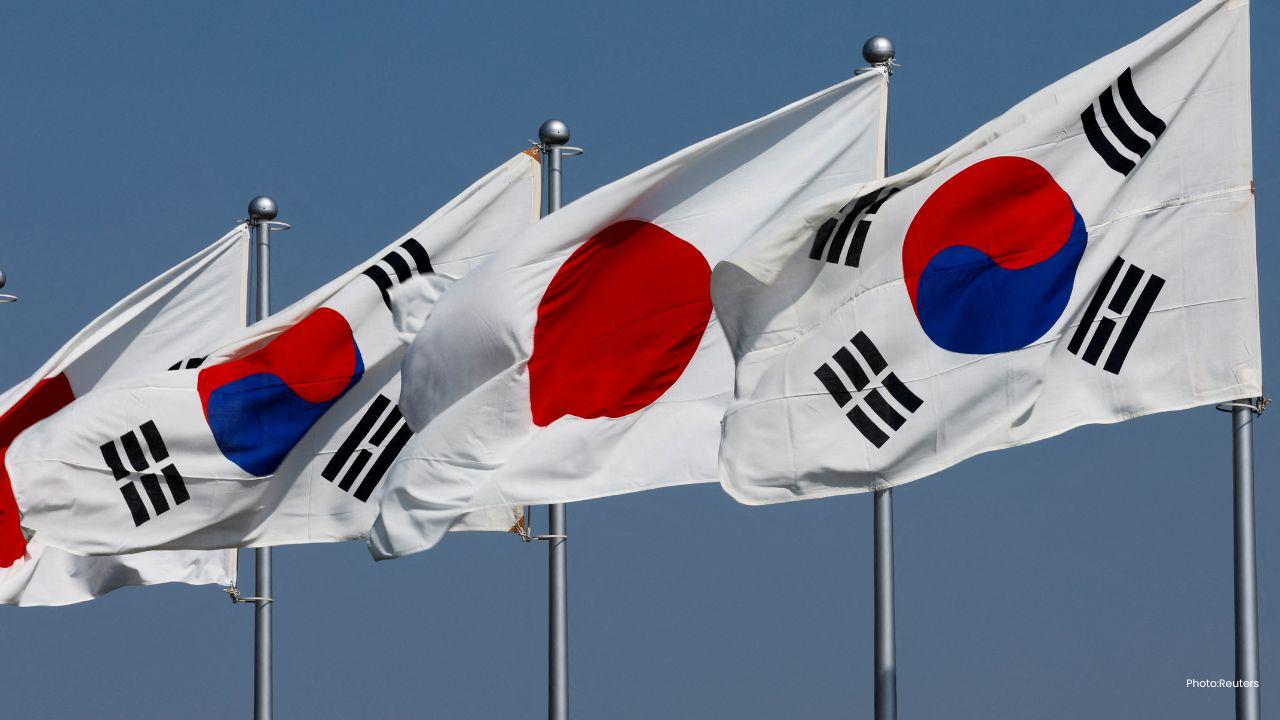
SEOUL: South Korea said it deployed fighter jets after several Russian military aircraft entered its air defence identification zone over the East Sea, also known as the Sea of Japan. The incident has added fresh tension to an already sensitive security environment in Northeast Asia. According to South Korea's defence authorities, the aircraft were detected before entering the country's Air Defence Identification Zone (ADIZ). Fighter jets were then sent into the area as a precaution and to prepare for any possible situation. South Korea clarified that the Russian aircraft did not enter or violate its sovereign airspace.
An Air Defence Identification Zone is different from a country's territorial airspace. It is a designated area where foreign aircraft are generally expected to identify themselves so that military authorities can monitor potential security threats. Although countries may request aircraft to provide identification before entering such zones, an ADIZ itself is not sovereign territory and international law does not generally create the same restrictions as territorial airspace.
The latest incident comes amid strained relations between South Korea and Russia. Seoul has joined Western sanctions against Moscow following Russia's invasion of Ukraine, while Russia has simultaneously strengthened its military and strategic relationship with North Korea. South Korean officials said the Russian aircraft entered the identification zone and later departed without violating South Korean territorial airspace. The deployment of fighter jets was therefore presented as a precautionary security response.
A similar incident occurred in June, when more than 10 Chinese and Russian military aircraft entered South Korea's air defence identification zone. At that time, Beijing described the activity as a strategic air patrol involving Chinese and Russian forces over areas including the Sea of Japan, the East China Sea and the western Pacific. Moscow maintained that the patrol was part of routine military cooperation and was not directed against other countries. South Korea nevertheless protested to both China and Russia and called for steps to prevent similar incidents in the future.
Read Also: Australia weighs Nathan Lyon role as pace attack gains momentum
The latest development is being closely watched because of the increasingly complex Northeast Asia security situation, involving South Korea, Russia, China and North Korea. Seoul's decision to scramble fighter jets highlights the importance it places on monitoring foreign military activity around the Korean Peninsula. For South Korea, the key concern remains maintaining close surveillance of its surrounding airspace and responding quickly to unidentified or unannounced military movements.



Hyundai raises profit target, expands hybrid lineup in the US
Hyundai hybrid cars get a major boost as the automaker raises its profit margin target and plans new

Josh Kerr and Jakob Ingebrigtsen Set for 1,500m Rivalry Rematch
Josh Kerr and Jakob Ingebrigtsen will renew their 1,500m rivalry at the Ultimate Championship in Bud

PSG Coach Luis Enrique Urges Players to Step Outside Comfort Zone
PSG coach Luis Enrique says players must leave their comfort zone and keep improving as the club tar
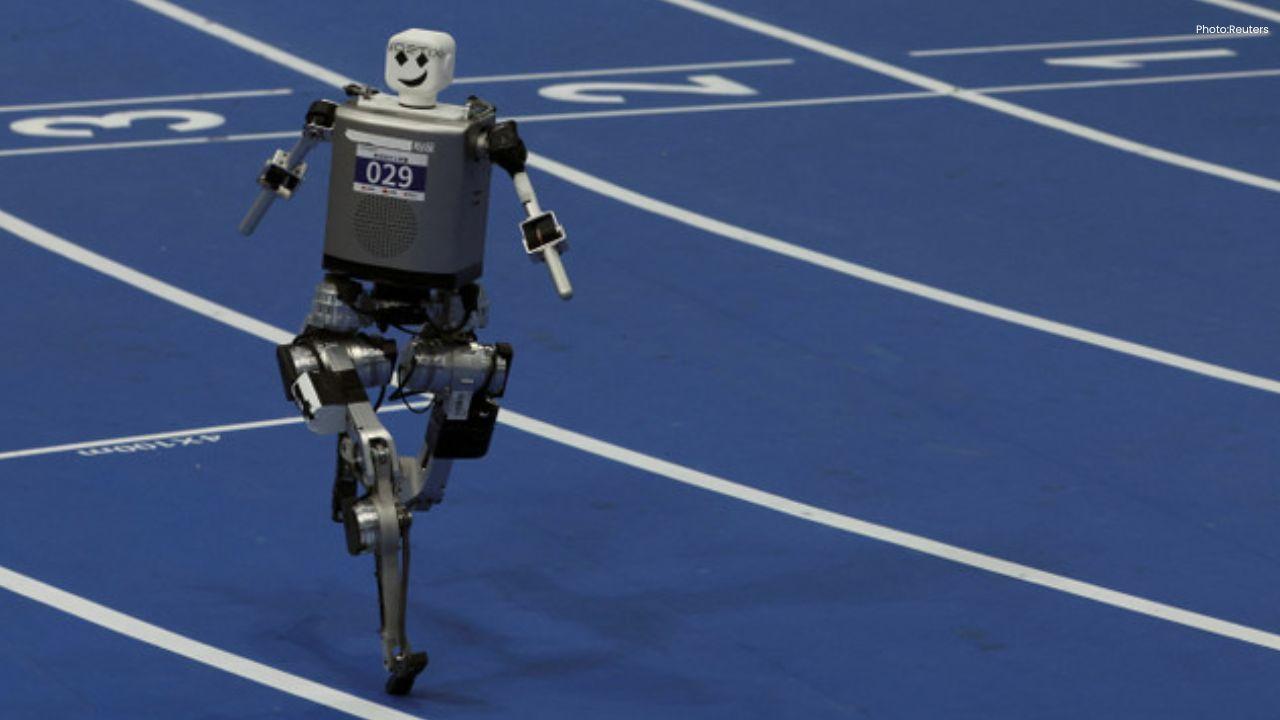
China’s Tiangong Sets New 400m Record at Robot Olympics
China’s Tiangong robot sets a new 400m record at the Robot Olympics, beating a South African robot i

George Russell Wins Dutch GP Sprint, Boosts Mercedes Morale
George Russell wins the Dutch GP Sprint from pole as Mercedes teammate Kimi Antonelli extends his F1

Australia 50/3 After Bangladesh Bowled Out for 64 in Second Test
Australia reached 50/3 after Bangladesh were bowled out for 64 in the second Test, with Mitchell Sta

