You have not yet added any article to your bookmarks!
Join 10k+ people to get notified about new posts, news and tips.
Do not worry we don't spam!
Post by : Rohit Dhiman
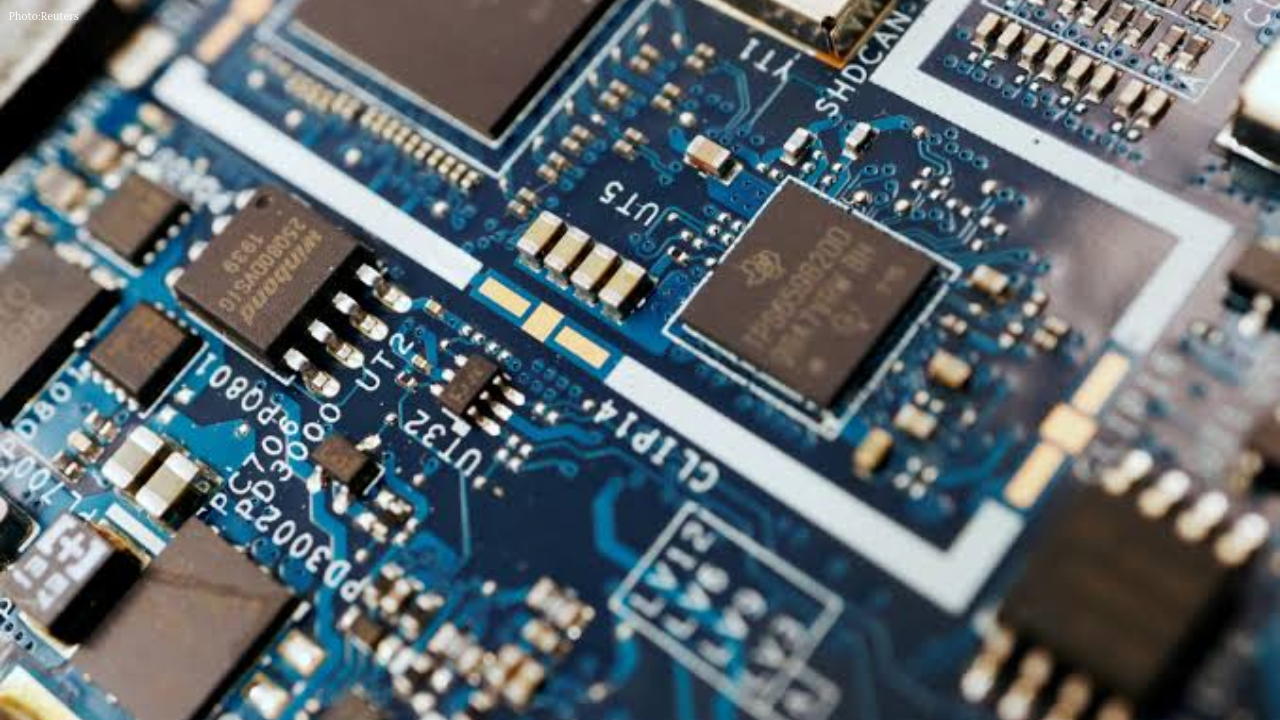
South Korea is heading towards a potentially historic month for international trade, with export growth expected to reach its strongest level in more than five decades. A Reuters poll of economists suggests that shipments from the country could rise sharply in October, supported by strong global demand for advanced computer chips, increasing investment in artificial intelligence and higher memory semiconductor prices. The forecast points to a significant expansion in South Korea's export performance, reinforcing the country's position as one of Asia's most important manufacturing and technology-driven economies. South Korea is a major supplier of semiconductors, electronic components, automobiles and other products that play an essential role in global supply chains. According to the Reuters poll, exports are expected to increase by 93.2% in October compared with the same month last year. This would represent an acceleration from the 83.7% annual increase recorded in September. If the forecast is confirmed by official trade figures, it would mark the 17th consecutive month of export growth and the strongest annual increase since January 1974.
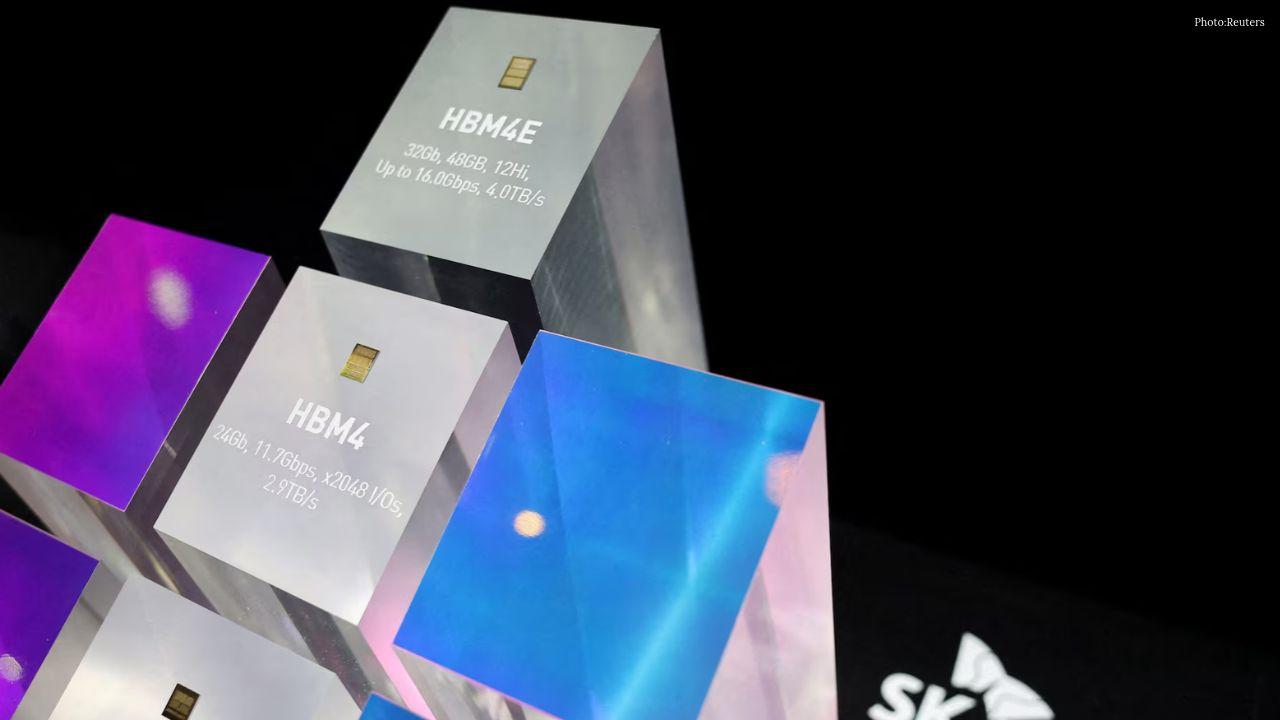
The global expansion of artificial intelligence is emerging as a major driver of South Korea's export performance. The development of advanced AI systems requires substantial computing capacity, increasing demand for data centres, high-performance processors and specialised memory products. South Korean semiconductor manufacturers are well positioned to benefit from this investment cycle. The country has an established presence in the global memory chip industry, supplying components used in servers, computers and advanced computing infrastructure. One particularly important product category is high-bandwidth memory, which supports the processing requirements of advanced AI accelerators. As technology companies invest in increasingly powerful computing systems, demand for specialised memory products has become an important factor influencing the semiconductor market. Higher memory chip prices have also contributed to the improvement in export values. When international prices rise, the total value of shipments can increase even if the physical quantity of products exported changes less dramatically.
South Korea's semiconductor industry has also received support from strong financial results reported by major manufacturers. SK Hynix, one of the country's leading memory chip producers, recorded a more than sevenfold increase in quarterly profit, according to the report. The company's performance highlights the scale of the opportunity created by demand for memory products used in AI-related computing. As technology companies expand their computing infrastructure, demand for specialised memory can influence manufacturers' revenue, profitability and investment decisions. For South Korea, the importance of this trend extends beyond individual technology companies. Semiconductor manufacturing is closely connected with exports, industrial production, corporate earnings and economic growth. The sector's performance can also influence suppliers, equipment manufacturers, logistics businesses and other companies connected to the electronics supply chain. As a result, stronger semiconductor activity can support a wider range of economic activities.
The latest export forecast follows encouraging economic data from South Korea. The country's gross domestic product expanded by 1.0% in the third quarter, exceeding expectations, according to the report. The performance suggests that the technology sector and related trade activity are providing meaningful support to the wider economy. Exports are particularly important for South Korea because its manufacturing industries are deeply integrated into international production networks. When overseas demand strengthens, domestic manufacturers may increase production, utilise more industrial capacity and purchase additional components and services. These activities can contribute to economic output and support businesses connected to international trade. The country's cumulative export performance has also reached a significant milestone. South Korea's exports exceeded $800 billion during the first nine months of the year, already surpassing the previous full-year record.
Despite the exceptionally strong forecast, economists have highlighted an important factor that could exaggerate the apparent acceleration in trade: the number of working days in October. South Korea had 22 working days in October this year, compared with 20 in October last year. The difference is linked to the timing of Chuseok, a major Korean holiday period that can affect business activity and the reporting of monthly trade figures. When a month contains more working days, businesses have additional opportunities to manufacture, process and ship goods. This can increase the total value of exports recorded during the period, even without an equivalent acceleration in underlying demand. The timing of Chuseok can also affect comparisons between September and October. When holidays fall at different points in the calendar, trade activity may shift between the two months, making individual monthly figures appear unusually strong or weak. Park Chong-hoon, an economist at Standard Chartered, said the expected sharp increases in exports and imports mainly reflected calendar effects and favourable comparisons with the previous year, rather than a comparable acceleration in underlying trade activity.
Although semiconductors remain central to the export outlook, the benefits of stronger global technology demand may be spreading to other industries. Stephen Lee, an analyst at Meritz Securities, said exports were being supported by semiconductors and computers amid demand linked to AI investment. He also noted that growth momentum was broadening to sectors such as automobiles and wireless communication devices. This wider participation is significant because a more diversified export recovery can reduce dependence on a single industry. South Korea has major manufacturing capabilities across electronics, vehicles, machinery and other industrial products, giving its exporters several channels through which international demand can support growth. Computer exports can benefit from investment in computing infrastructure, while wireless communication equipment is connected to demand for digital devices and network technology. The automotive sector, meanwhile, remains an important part of the country's manufacturing base.
South Korea's import bill is also expected to increase considerably in October, reflecting the broader movement in trade activity. The Reuters poll forecast that imports would rise by 39.9% compared with the same month last year. This would represent a substantial acceleration from the 26.0% increase recorded in September and the strongest annual rise since November 2021. Imports are an important part of the country's industrial economy because manufacturers rely on overseas supplies of energy, raw materials, components and production equipment. Stronger industrial activity can increase demand for these goods, while changes in international commodity prices can also influence the total value of imports. The expected increase in imports should therefore be assessed alongside export performance rather than viewed as an isolated indicator. Higher imports can accompany stronger manufacturing and investment, although the composition of imported goods is essential for understanding what is driving the increase.
Read Also: Former Therapist Fined S$5,000 for Hurting Special Needs Boy
South Korea's trade performance is closely watched because the country is an important indicator of activity in global manufacturing and technology supply chains. Its semiconductor exports can provide insight into demand for electronic components used in data centres, computers and other advanced technology products. Changes in chip shipments and prices can also influence expectations for manufacturers, suppliers and investors across the international technology sector. If the October forecast is confirmed, the figures would reinforce the importance of AI-related investment to the current semiconductor cycle. Strong export values, combined with rising shipment volumes, would provide additional evidence that technology demand is supporting manufacturing activity. However, market participants will also need to distinguish between temporary statistical effects and sustained growth. A month with more working days can produce a dramatic annual increase, while favourable comparisons with the previous year can magnify the headline figure.




APEC Members Emphasise Safe and Responsible Use of Artificial Intelligence
APEC members discuss responsible AI use, digital innovation and data governance as China and the US

Union of European Clubs Challenge UEFA and EFC Over EU Competition Rules
UEC files an EU competition complaint against UEFA and EFC, challenging club representation, governa

Mohammed Shami Retires From Test Cricket, Eyes White-Ball Career
Mohammed Shami retires from Test cricket after 13 years, with 229 wickets. He will continue playing

Singapore Warns Users About Privacy and Security Risks of AI Agents
Singapore warns users about AI agent security risks, data privacy, online scams and unauthorised acc

Chris Lynn Completes One-Month Ban After Positive Cocaine Test
Australian cricketer Chris Lynn completes a one-month ban after a positive cocaine test during the T

Djokovic Eyes Strong Season Finish as Health Improves Ahead of Paris Masters
Novak Djokovic reports improved health and performance as he targets a strong Paris Masters finish a