
You have not yet added any article to your bookmarks!
Join 10k+ people to get notified about new posts, news and tips.
Do not worry we don't spam!
Post by : Saif Rahman
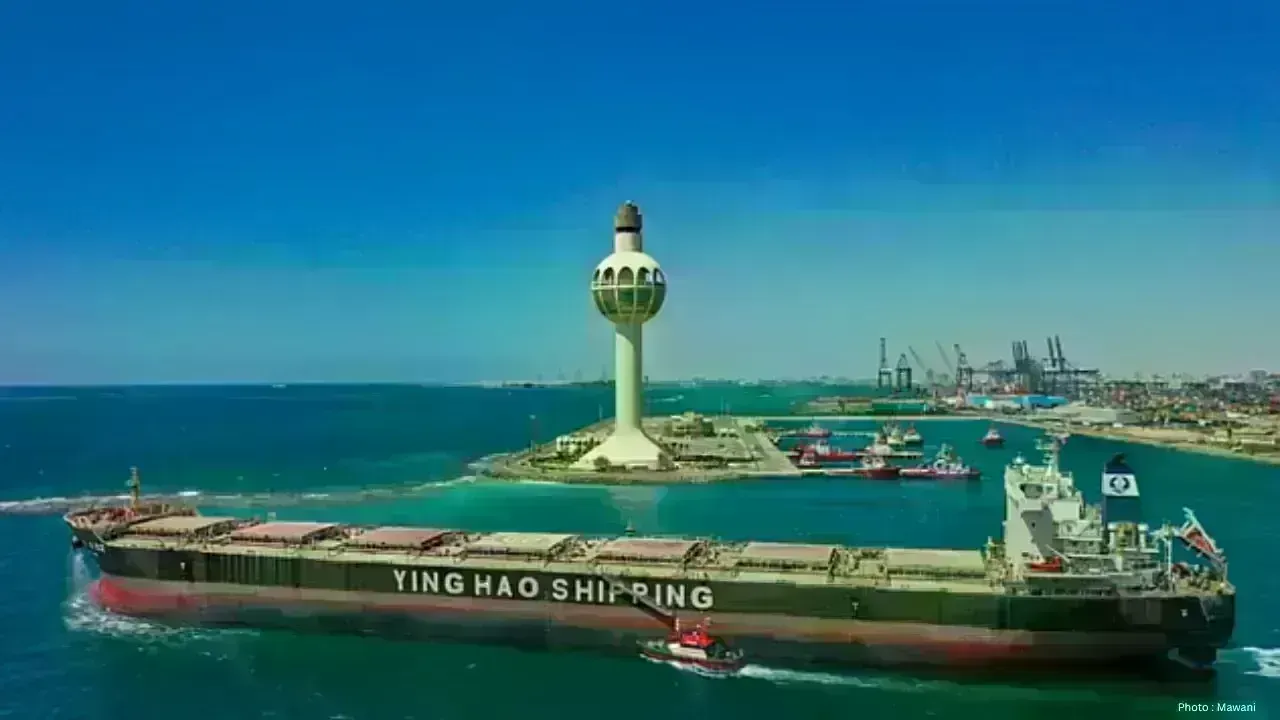
In a significant move to enhance regional commerce, Saudi Arabia has inaugurated a new shipping lane connecting Jeddah with India and Djibouti. This initiative is anticipated to facilitate more efficient cargo transport, bolster economic expansion, and strengthen trade relations among the nations linked by the Red Sea and Indian Ocean.
The launch of this maritime service underlines a commitment to broaden transportation networks and elevate international trade efficiency. Given the increasing reliance on maritime transport for global commerce, nations are actively investing in routes that expedite goods movement, cut transit times, and reinforce supply chain robustness.
Jeddah stands as a central hub for the Kingdom, situated on the Red Sea's shores and playing a pivotal role in fostering commercial links across Asia, Africa, and the Middle East. The introduction of direct shipping services is poised to amplify goods movement, paving the way for fresh opportunities for exporters, importers, and logistics firms.
As one of Saudi Arabia's key trade partners, India's economic collaboration has steadily grown, driven by sectors such as energy, manufacturing, food production, technology, and investment. Revamped maritime links are expected to deepen these economic ties through enhanced transportation efficiency and affordability.
Djibouti’s strategic location near essential shipping lanes further amplifies its value as a logistics hub that connects Africa with the Middle East and global markets. Improved accessibility to Gulf and South Asian ports is likely to foster trade expansion and encourage enhanced economic collaboration.
Global trade relies heavily on shipping, making these routes vital for economic health. Efficient maritime networks facilitate the movement of diverse goods—from consumer items to agricultural products—enabling quicker deliveries and lowered transport costs.
This new service dovetails with broader strategies aimed at reinforcing supply chains and advancing regional logistics systems. As governments and businesses acknowledge the significance of dependable transport networks for economic development, investments in infrastructure receive greater focus.
Experts in trade argue that improved shipping connections transcend cargo transit, nurturing business collaborations, industrial synergy, and higher commercial activities between the involved nations. Ports can transform into bustling economic centers when supported by strong logistics services.
The Red Sea is among the world's crucial maritime passages, acting as a key artery for global trade, linking Europe with Asia, Africa, and the Middle East. Investments in transportation infrastructure reaffirm the necessity of maintaining efficient trade routes in an ever-evolving global economic landscape.
Economic diversification remains critical for numerous regional countries. Enhancing logistics and transport networks aids in generating new growth avenues while diminishing reliance on traditional sectors. Strengthening shipping connectivity is pivotal in achieving these goals by driving trade and commerce.
Industries encompassing manufacturing, retail, agriculture, and logistics stand to gain significantly from this new shipping route. Swift transport options and reliable scheduling could refine supply chain strategies, allowing companies to better fulfill consumer needs. This heightened efficiency may also enhance competitiveness on the global stage.
As trade between Asia, Africa, and the Gulf region continues to expand, transportation infrastructure’s role becomes increasingly vital in supporting the movement of goods and fostering regional cohesion. Port authorities and logistics enterprises are likely to perceive this new service as a chance to boost operations and forge stronger commercial alliances.
Investment in infrastructure is critical as the dynamics of global trade transform. Nations keen on bolstering their standing in international markets prioritize enhancements to ports, transport systems, and logistical capabilities. These investments promise long-term economic benefits and sustainable growth.
The inauguration of the Red Sea shipping route signifies the increasing significance of connectivity in the global marketplace. By bridging Jeddah with India and Djibouti, this service is set to augment trade dynamics, improve logistical efficiency, and fortify economic alliances across diverse regions. As global commerce evolves, continuous investments in transport infrastructure will be essential for driving growth, competitiveness, and lasting prosperity.










PM Modi Pays Tribute to Mahatma Gandhi, Urges People to Support Khadi
PM Modi pays tribute to Mahatma Gandhi on Gandhi Jayanti and urges citizens to support Khadi and the

Amazon Seeks to Offload $8 Billion in Nvidia Chips to Investors
Amazon plans to move $8 billion in Nvidia chips to investors, using a new financing model to strengt

Samsung Raises Galaxy S26 Prices as Memory Chip Costs Rise
Samsung raises Galaxy S26 prices in South Korea as rising memory chip costs put pressure on smartpho

Lewis Hamilton Calls Singapore Grand Prix One of F1's Toughest Races
Lewis Hamilton discusses the demanding Singapore Grand Prix and brings Plus44 and Almave to Singapor

Denmark's Pandora Opens World's Largest Jewellery Factory in Vietnam
Pandora opens its largest jewellery factory in Vietnam, expanding global production, strengthening s

Gautam Gambhir Questions Batting-Friendly Pitches After India's Record ODI Chase
Gautam Gambhir questions batting-friendly ODI pitches after India’s record chase, calling for a bett

