
You have not yet added any article to your bookmarks!
Join 10k+ people to get notified about new posts, news and tips.
Do not worry we don't spam!
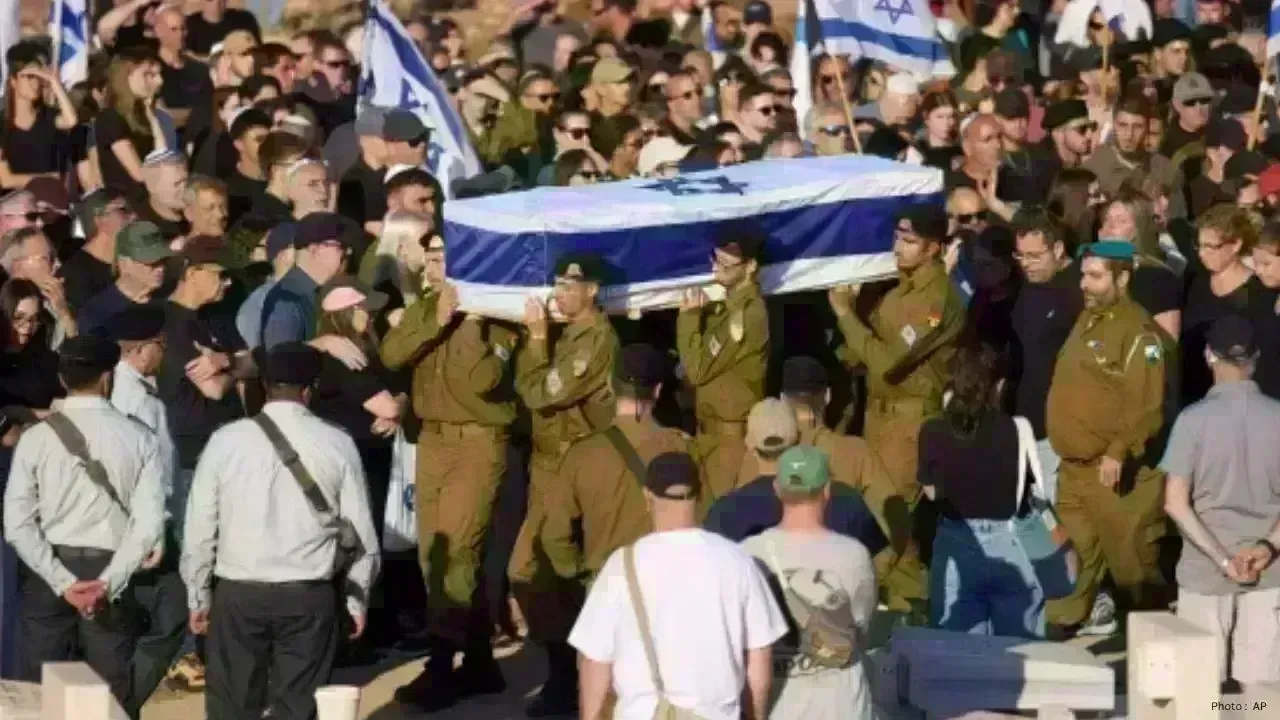
Post by : Saif Rahman
Fresh military maneuvers at the Israel-Lebanon border have sparked significant worry throughout the Middle East as security threats affect both nations.
Israeli Prime Minister Benjamin Netanyahu recently highlighted the escalating encounters with Hezbollah, a Lebanese militant group that poses one of Israel’s persistent security challenges.
The frontier area has seen a surge in exchanges involving drones, rockets, and artillery in recent weeks, instilling anxiety among residents as military operations and security advisories alter their daily lives.
Hezbollah, bolstered by Iran, wields substantial influence in Lebanon's military and political spheres. Its long-standing operational capabilities make it a pivotal player in regional strife and strategic partnerships.
Israeli officials have repeatedly warned that attacks from northern regions might provoke more forceful military action if security threats escalate.
The situation intensified with the outbreak of conflict in Gaza, raising fears of regional spillover. Several armed factions aligned with local alliances have ramped up military efforts since the onset of the Gaza conflict.
Residents near the border in both Israel and Lebanon are grappling with displacement fears tied to missile threats and the possibility of military escalation.
Lebanon, mired in severe economic and political challenges such as inflation and unemployment, faces dire consequences should major military clashes ensue, further straining its already fragile infrastructure.
Global political figures and diplomatic bodies are calling for restraint to avert a broader regional clash. There are rising concerns that an expansion of hostilities could destabilize the region and lead to significant humanitarian fallout.
United Nations peacekeeping contingents stationed in southern Lebanon are actively monitoring the developments, but the string of security incidents highlights the difficulties in maintaining peace along the border.
Military analysts suggest that the risk of inadvertent escalation remains considerable, as even minor skirmishes could prompt larger military reactions from both countries.
This ongoing crisis encapsulates larger geopolitical tensions involving Israel, Iran, and various armed factions across the region. Events in Lebanon, Gaza, and Syria increasingly intertwine amid mounting regional rivalries.
Simultaneously, efforts toward diplomatic solutions remain stunted by deep-rooted mistrust and historical enmity that obstruct the path to lasting peace.
Experts note that both Israel and Hezbollah aim to sustain robust military stances while avoiding full-scale warfare, yet the ongoing border skirmishes perpetuate a climate of uncertainty.
Additionally, economic repercussions loom large; instability in the Middle East frequently impacts sectors like tourism, trade, and investor confidence.
Global energy markets are keenly attuned to regional developments, as significant confrontations involving Middle Eastern entities can sway oil prices, shipping lanes, and supply networks.
For Lebanon, averting expanded conflict is crucial due to its pre-existing economic pressures. Any significant military confrontation risks compounding damage to public infrastructure and exacerbating humanitarian crises.
Israeli communities near the northern border are also grappling with heightened security apprehensions, with military readiness levels remaining elevated.
Political analysts contend that lasting stability hinges on earnest diplomatic engagement, improved communication, and cooperative regional efforts aimed at curtailing military confrontations.
At this juncture, uncertainty grips the situation as both parties remain vigilant, while international stakeholders keep close watch on the developments.
The ongoing border tensions between Israel and Hezbollah once more underline the fragile nature of stability in the Middle East, where turmoil in one area can reverberate widely through security and diplomatic channels.
As military activities continue and political rhetoric heats up, the globe's focus is expected to remain on efforts designed to thwart further conflict and safeguard civilian livelihoods across the region.










PM Modi Pays Tribute to Mahatma Gandhi, Urges People to Support Khadi
PM Modi pays tribute to Mahatma Gandhi on Gandhi Jayanti and urges citizens to support Khadi and the

Amazon Seeks to Offload $8 Billion in Nvidia Chips to Investors
Amazon plans to move $8 billion in Nvidia chips to investors, using a new financing model to strengt

Samsung Raises Galaxy S26 Prices as Memory Chip Costs Rise
Samsung raises Galaxy S26 prices in South Korea as rising memory chip costs put pressure on smartpho

Lewis Hamilton Calls Singapore Grand Prix One of F1's Toughest Races
Lewis Hamilton discusses the demanding Singapore Grand Prix and brings Plus44 and Almave to Singapor

Denmark's Pandora Opens World's Largest Jewellery Factory in Vietnam
Pandora opens its largest jewellery factory in Vietnam, expanding global production, strengthening s

Gautam Gambhir Questions Batting-Friendly Pitches After India's Record ODI Chase
Gautam Gambhir questions batting-friendly ODI pitches after India’s record chase, calling for a bett

