
You have not yet added any article to your bookmarks!
Join 10k+ people to get notified about new posts, news and tips.
Do not worry we don't spam!
Post by : Badri Ariffin
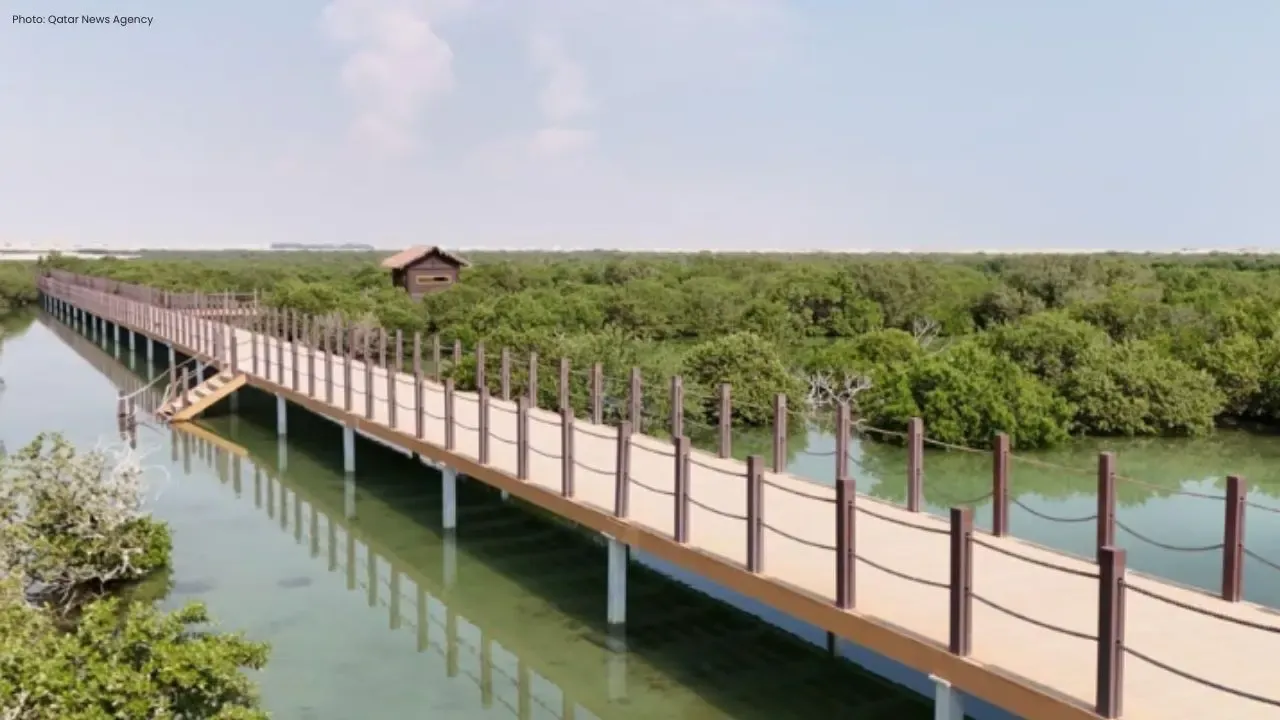
The Ministry of Environment and Climate Change (MECC) in Qatar has revealed that the nation's mangrove forests now encompass about 14 square kilometres. Notably, over half of this area is situated within the Al Thakira Reserve, recognized as Qatar’s largest mangrove habitat.
This announcement coincides with the observance of the International Day for the Conservation of the Mangrove Ecosystem on July 26. The Ministry emphasized its dedication to safeguarding existing mangroves while also expanding plantation initiatives in suitable coastal locales.
As noted by the Ministry, these vital mangrove trees thrive across various coastal regions in Qatar, including places such as Al Khor, Al Thakira, Al Wakrah, Mesaieed, Al Aaliya Island, Fuwairit, Al Ruwais, Al Areesh, and Al Jumail.
Collaborating with numerous national organizations and institutions, the Ministry is committed to preserving these forests, preventing overexploitation, and implementing restoration and planting initiatives guided by scientific evaluations of environmental conditions necessary for thriving mangrove growth.
According to Khalid Juma Al Muhannadi, Director of the Wildlife Development Department at MECC, effective mangrove conservation extends beyond mere tree planting. Successful restoration necessitates meticulously managing mangrove habitats, focusing on site selection that considers tidal patterns, soil qualities, and salinity levels.
Al Muhannadi also pointed out that ongoing monitoring of seedling development and regular evaluations of restored areas are imperative for ensuring lasting success.
He emphasized that the success of restoration initiatives should not just be measured by the number of seedlings planted but by the survival and growth of these young trees that contribute to healthy marine ecosystems.
The Ministry's approach merges the protection of current mangrove forests with support for natural regeneration while strategically expanding into appropriate areas without disrupting the coastal ecological balance.
Al Muhannadi highlighted the importance of selecting ideal locations, optimal planting times, and appropriate planting techniques to ensure successful restoration. He encouraged initiatives to coordinate with MECC prior to launching any projects to align with approved environmental standards and safeguard critical coastal ecosystems.
The Ministry stressed the ecological significance of mangrove forests in fighting climate change. Global estimates shared by MECC indicate that one hectare of mangrove forest can sequester around 3,754 tonnes of carbon dioxide when considering both trees and soil.
This substantial capacity for carbon storage underscores the critical role of mangrove ecosystems in mitigating greenhouse gas emissions.
MECC noted that mangrove forests serve as natural barriers, safeguarding coastlines from erosion and cushioning them against waves and storms.
They additionally provide crucial breeding and nursery habitats for various fish and crustacean species, as well as important habitats for both resident and migratory birds, thereby enriching marine and coastal biodiversity.
The Ministry expressed that mangrove forests hold significant economic and tourism value, with places like Al Thakira Reserve drawing nature enthusiasts and promoting ecotourism.
Moreover, these ecosystems support fisheries by fostering healthy habitats for numerous marine species, ensuring ecological stability along Qatar's coastlines.
MECC urges the public and coastal visitors to play an active role in protecting mangrove forests by avoiding harm to the trees, refraining from uprooting plants, and ensuring that waste is not disposed of in mangrove areas.
Community support is vital for conserving these precious natural resources for future generations.
Mangroves are evergreens that thrive in intertidal zones and shallow muddy coasts. Highly resilient to saline conditions, they can endure in low-oxygen soils. Their specialized aerial roots, termed pneumatophores, emerge above the water, facilitating oxygen absorption and enabling growth in challenging coastal environments.









APEC Members Emphasise Safe and Responsible Use of Artificial Intelligence
APEC members discuss responsible AI use, digital innovation and data governance as China and the US

Union of European Clubs Challenge UEFA and EFC Over EU Competition Rules
UEC files an EU competition complaint against UEFA and EFC, challenging club representation, governa

Mohammed Shami Retires From Test Cricket, Eyes White-Ball Career
Mohammed Shami retires from Test cricket after 13 years, with 229 wickets. He will continue playing

Singapore Warns Users About Privacy and Security Risks of AI Agents
Singapore warns users about AI agent security risks, data privacy, online scams and unauthorised acc

Chris Lynn Completes One-Month Ban After Positive Cocaine Test
Australian cricketer Chris Lynn completes a one-month ban after a positive cocaine test during the T
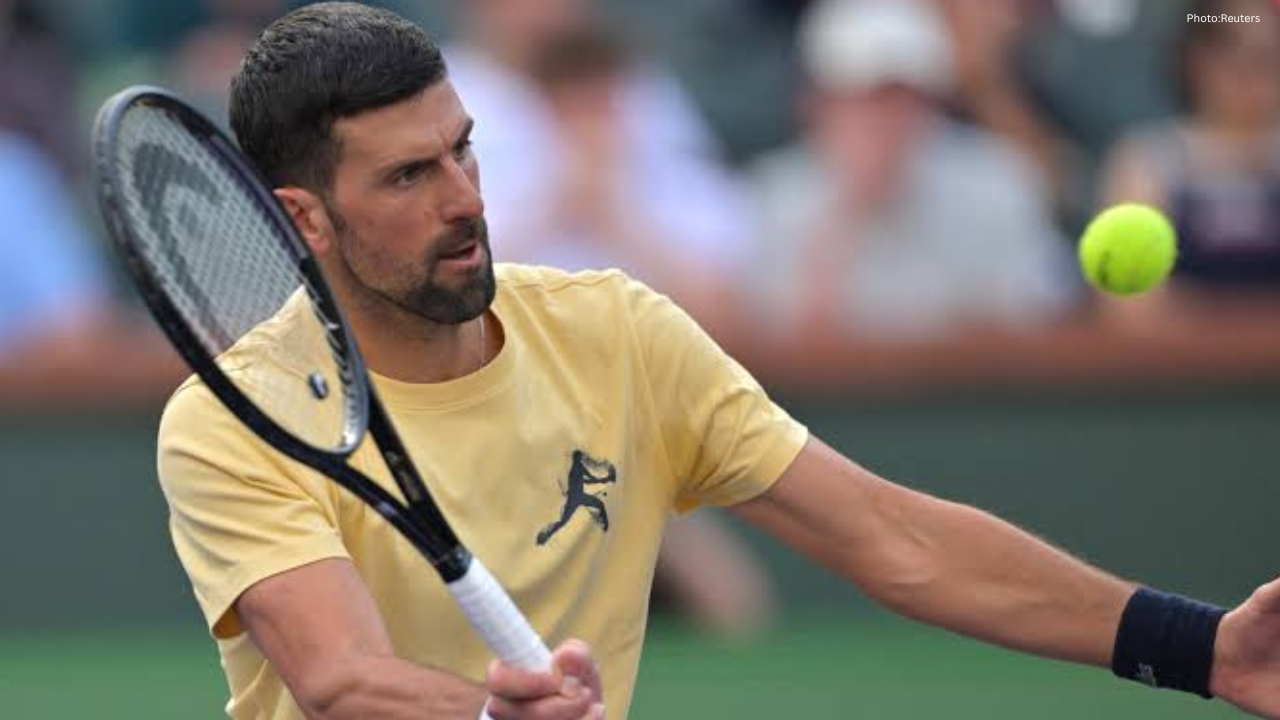
Djokovic Eyes Strong Season Finish as Health Improves Ahead of Paris Masters
Novak Djokovic reports improved health and performance as he targets a strong Paris Masters finish a