You have not yet added any article to your bookmarks!
Join 10k+ people to get notified about new posts, news and tips.
Do not worry we don't spam!

Post by : Abhinav Rana
Photo : X / @MobilePunch
In a notable shift on the global stage, Vladimir Putin has emerged as a potential mediator between the United States and Iran after a series of challenging peace negotiations fell through. This development surfaces amid mounting global tensions, highlighting fears of extended conflict in the Middle East. Putin's approach to Tehran indicates Russia's aspirations to establish itself as a pivotal player in the forthcoming chapter of international diplomacy, thereby positioning itself as a crucial influence in this highly volatile region.
Recent discussions in Islamabad between the US and Iran ended without consensus, despite undergoing nearly 21 hours of intense deliberation designed to address the ongoing strife and restore regional equilibrium. The breakdown underscores the stark rifts between the two nations, especially concerning nuclear issues, military strategies, and their roles in regional stability. What appeared to be a promising opportunity has transitioned into a renewed atmosphere of uncertainty, prompting fears of escalation within key geopolitical and economic corridors.
Subsequent to the talks' failure, Putin reached out directly to Iranian leaders, pledging Russia's willing support in reaching a political and diplomatic resolution. He reaffirmed Russia’s commitment to facilitating a “fair and lasting peace,” emphasizing that Moscow aims to act as a mediator rather than engage directly in the conflict. This significant engagement not only aims to support diplomatic efforts but also underscores Russia's strategy to assert its influence in Middle Eastern affairs, presenting itself as a stabilizing entity amidst increasing global unpredictability.
The fallout from these unsuccessful negotiations transcends diplomacy, directly impacting global energy markets and shipping routes. The Strait of Hormuz, a vital conduit for global oil transport, remains enmeshed in the ongoing crisis, with escalating tensions jeopardizing the supply chain and potentially inflating energy costs worldwide. As geopolitical tensions escalate, the security of these vital routes remains increasingly precarious, influencing both energy markets and international trade systems.
Putin's proposal for mediation demonstrates a significant evolution in global power relations, wherein longstanding alliances are scrutinized, and new diplomatic ties emerge. With its ties to Tehran and strategic posture against Western influences, Moscow positions itself as an essential intermediary. Observers see this as a broader move by Russia to reinforce its significance on the international stage, particularly in areas where geopolitical tensions intertwine with economic stakes.
The response from the global community has been cautiously optimistic, encouraging all involved to prioritize diplomacy over military action. While Putin’s proposal could serve as a new avenue for communication, its success hinges on both the United States and Iran's willingness to foster meaningful engagement. The multifaceted nature of the challenges at play requires persistent negotiation and compromise from all parties involved.
As pressure mounts, this situation marks a critical juncture for global diplomacy. Putin’s engagement could either pave new pathways for discussion or complicate an already delicate geopolitical landscape. It is evident that the implications extend beyond the Middle East, influencing global security, energy dynamics, and international relations. In a world increasingly influenced by shifts in power and strategic divides, the resolution of this crisis will have extensive repercussions.
#GeoPolitics #Strait of Hormuz #Middle East Politics #Global Diplomacy #Putin Iran Talks #US Iran Conflict #Middle East Crisis #Russia Mediation #Energy Security #Geopolitical News #Putin

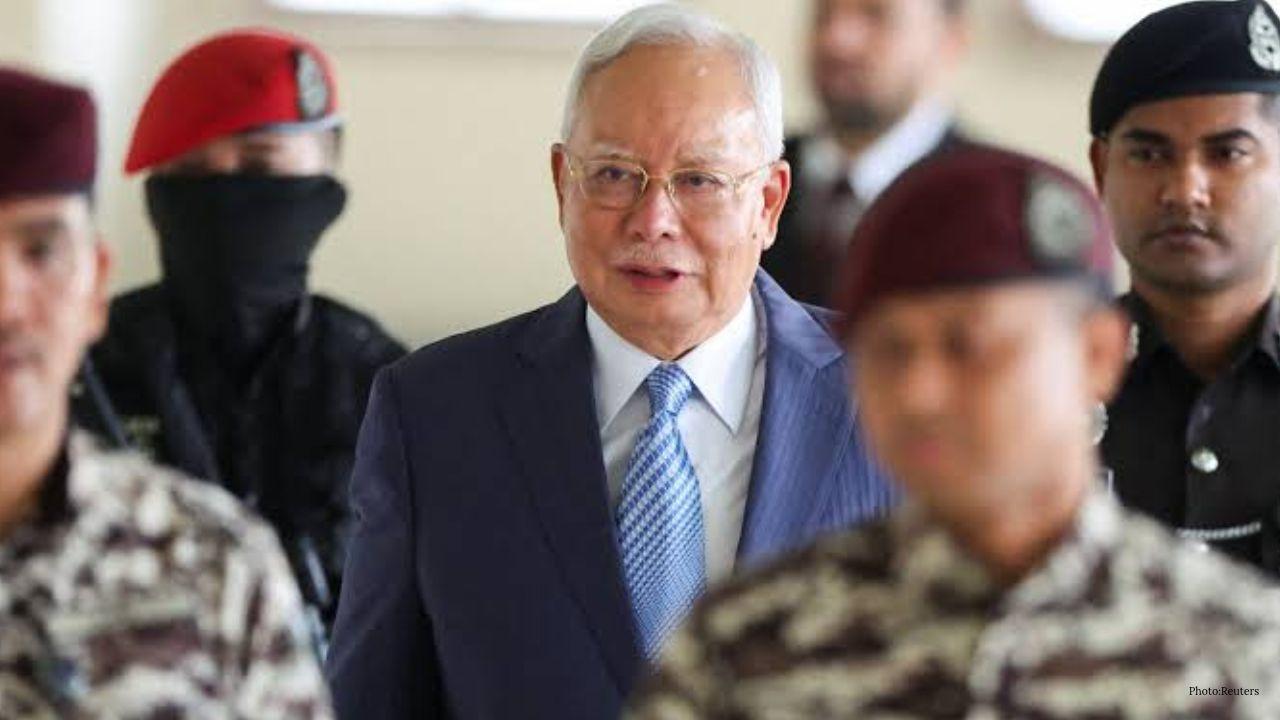


APEC Members Emphasise Safe and Responsible Use of Artificial Intelligence
APEC members discuss responsible AI use, digital innovation and data governance as China and the US

Union of European Clubs Challenge UEFA and EFC Over EU Competition Rules
UEC files an EU competition complaint against UEFA and EFC, challenging club representation, governa

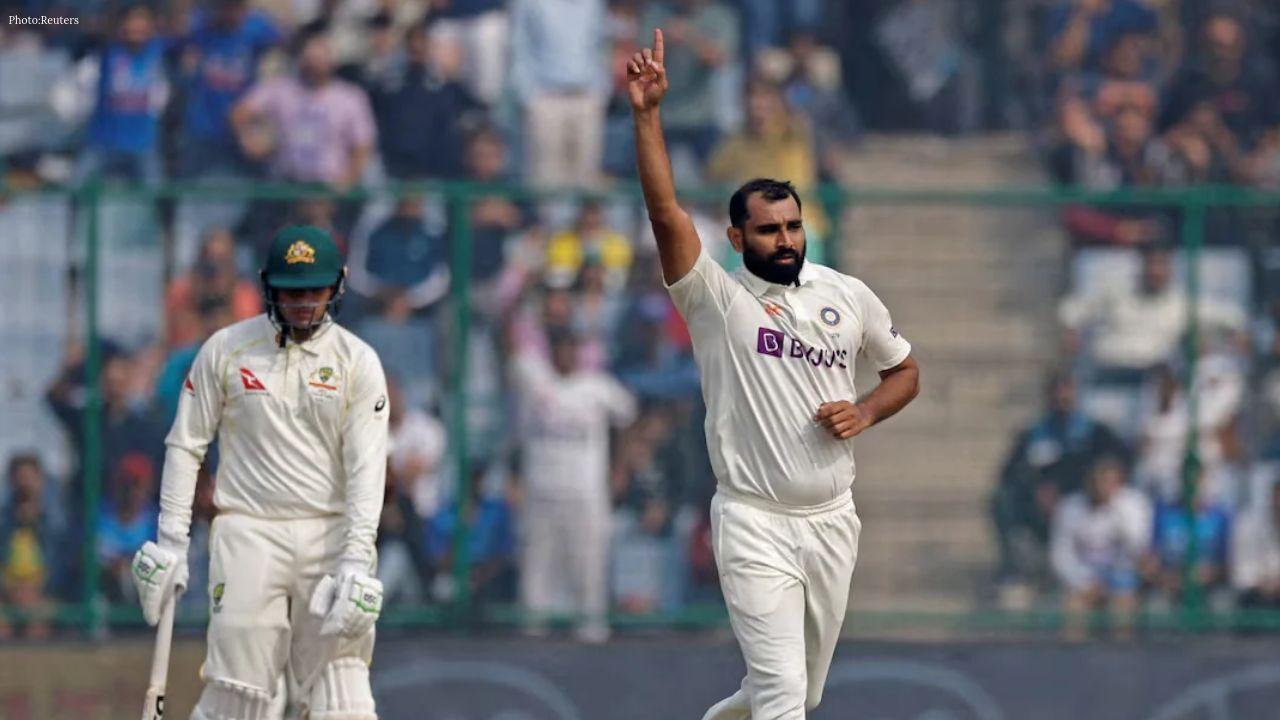
Mohammed Shami Retires From Test Cricket, Eyes White-Ball Career
Mohammed Shami retires from Test cricket after 13 years, with 229 wickets. He will continue playing

Singapore Warns Users About Privacy and Security Risks of AI Agents
Singapore warns users about AI agent security risks, data privacy, online scams and unauthorised acc
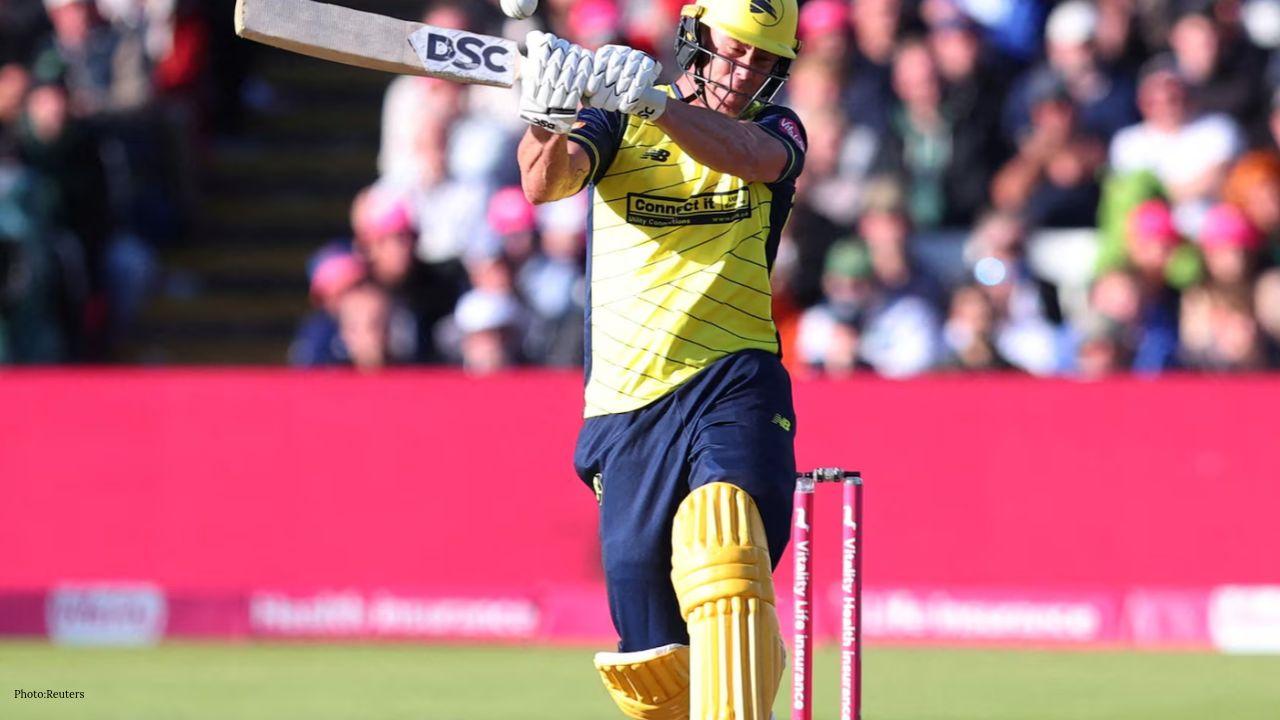
Chris Lynn Completes One-Month Ban After Positive Cocaine Test
Australian cricketer Chris Lynn completes a one-month ban after a positive cocaine test during the T
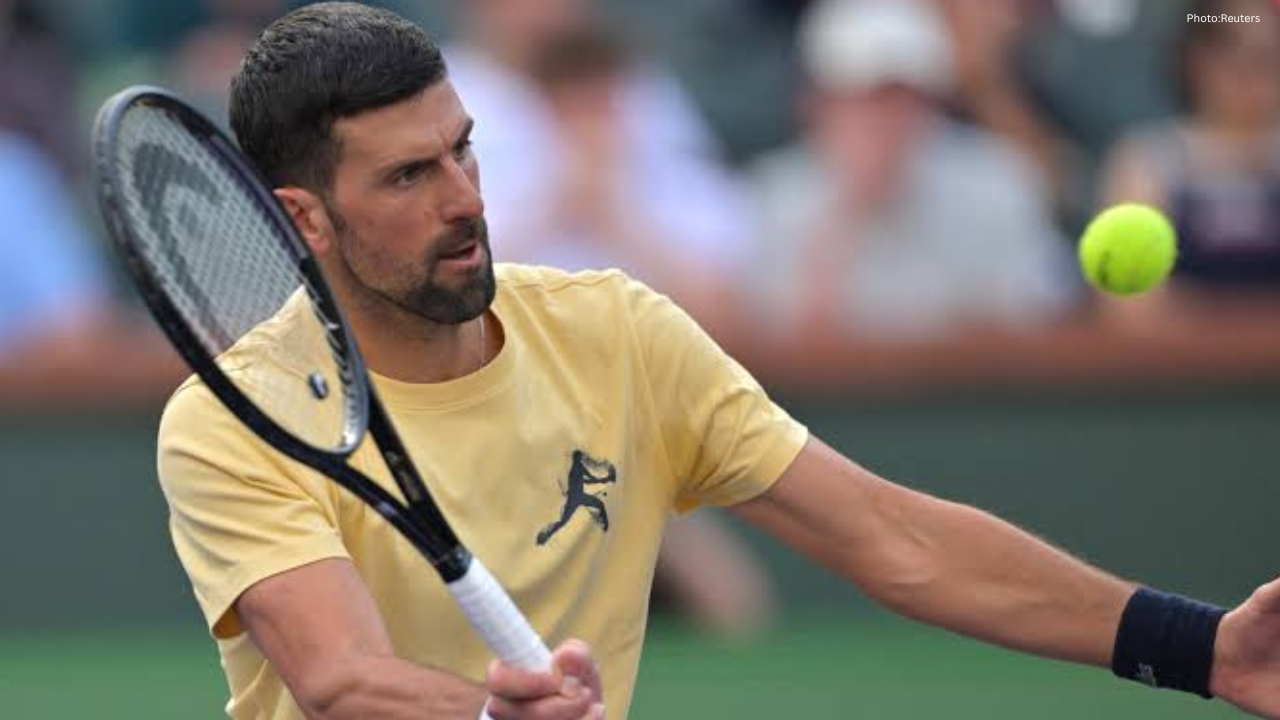
Djokovic Eyes Strong Season Finish as Health Improves Ahead of Paris Masters
Novak Djokovic reports improved health and performance as he targets a strong Paris Masters finish a