You have not yet added any article to your bookmarks!
Join 10k+ people to get notified about new posts, news and tips.
Do not worry we don't spam!
Post by : Jyoti Singh
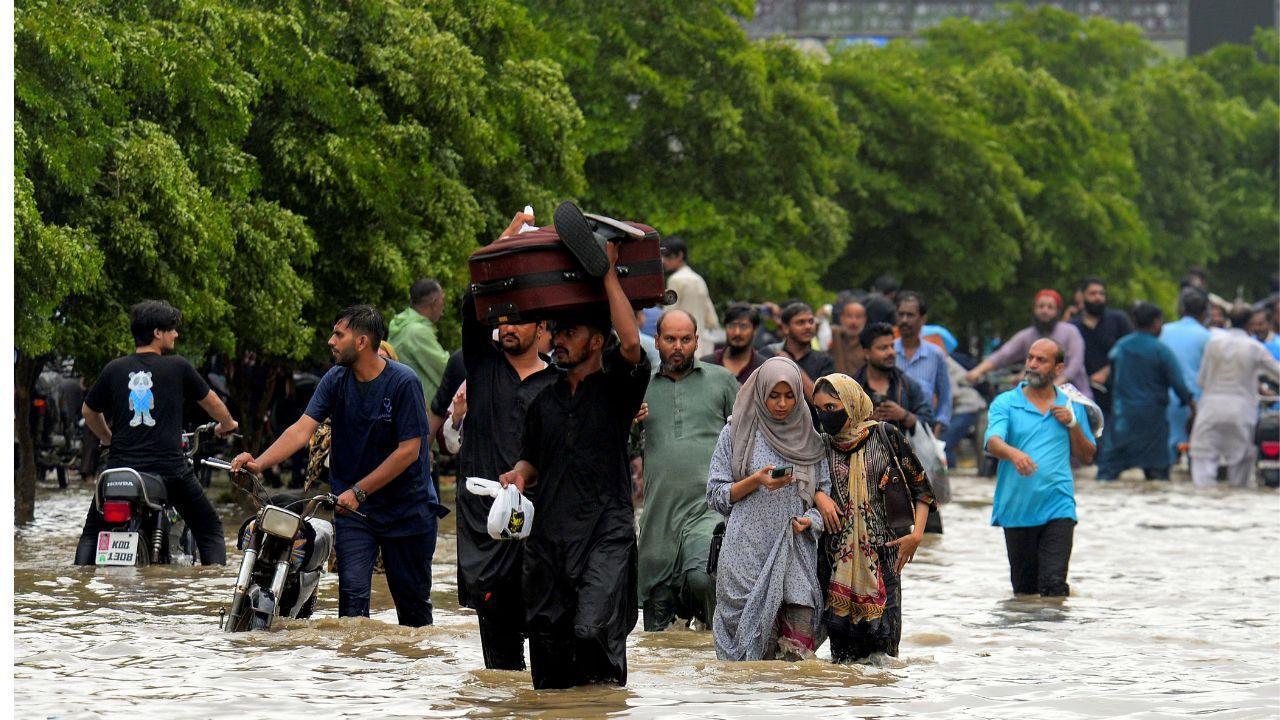
Every year, when heavy rains hit the fields of Punjab, life changes for thousands of families. The most recent Punjab Floods have once again shown how nature can bring both blessings and destruction. Punjab, the land known as India’s food basket, has seen its rivers overflow and villages drown under water. While farmers pray for rain to save their crops, too much rain leads to disaster.
The current Punjab Floods have not only damaged houses, crops, and roads but have also shaken the spirit of people. Yet, the same people are showing courage, helping one another, and proving that humanity is stronger than any storm.
Punjab’s geography makes it both fertile and fragile. With five rivers flowing through the state, farming has always depended on water. But when heavy monsoon rains fall for days without stopping, rivers rise above danger marks. Overflowing canals, weak embankments, and clogged drains add to the problem.
This year’s Punjab Floods were worsened by:
Excess rainfall in a short period
Poor drainage systems in rural and urban areas
Encroachments near riverbanks
Weak flood management planning
Experts say climate change is also a reason. Rising temperatures bring unpredictable rain patterns. This makes Punjab Floods more frequent and more dangerous.
The worst part of any flood is not just water on the streets but the pain it brings to families.
Villagers displaced: Thousands have been forced to leave their homes.
Crops destroyed: Paddy fields, wheat storage, and vegetable farms are damaged.
Children out of school: Many schools turned into relief shelters.
Health problems: Stagnant water increases the risk of malaria, dengue, and other diseases.
For the people, these Punjab Floods mean losing not only property but also memories and stability. Imagine a farmer who worked day and night in the fields, only to see his hard work washed away in one week of rain.
In every tragedy, stories of hope shine through. The same is true in these Punjab Floods.
Villagers are rescuing neighbors with tractors and boats.
Sikh gurdwaras have opened their doors, serving langar (free food) to everyone.
Youth volunteers are using social media to raise funds and send relief material.
Doctors and health workers are risking their lives to prevent disease outbreaks.
These stories remind us that while floods destroy buildings, they cannot destroy the human spirit.
Relief work during the Punjab Floods has been a joint effort. The state government, NDRF (National Disaster Response Force), and NGOs are all working to provide:
Temporary shelters with food and water
Rescue boats and safety kits
Medical camps and emergency medicines
Compensation announcements for farmers and families
Still, many complain that relief is slow and uneven. Rural families far from cities often wait days before help reaches them. For the long term, experts say Punjab needs stronger dams, better urban planning, and strict rules against building near rivers.
Punjab is India’s breadbasket, and when it floods, the whole country feels the effect.
Paddy and wheat production is hit badly.
Vegetable shortages raise prices in markets.
Small businesses lose their shops and goods.
Roads and railway tracks are damaged, slowing trade.
Economists warn that the cost of these Punjab Floods will run into thousands of crores. But the true cost is beyond money — it is the emotional suffering of families who lose everything.
Scientists believe Punjab Floods are not just a local issue but part of a global climate crisis. Rising global temperatures are melting Himalayan glaciers faster, increasing river flow. Irregular monsoons cause either droughts or floods. Punjab, lying in the path of both, suffers the most.
This is why many activists say the solution must include:
Planting more trees
Restoring wetlands that absorb extra rain
Better forecasting systems
Strict action against pollution and over-construction
Unless action is taken, Punjab Floods will become worse in the coming years.
The lessons from Punjab Floods are clear:
Stronger Infrastructure – Build better dams, embankments, and drainage.
Preparedness – Every village should have flood shelters and warning systems.
Education – Teach communities how to respond quickly to disasters.
Sustainable Farming – Use crop patterns that require less water and can survive heavy rain.
Community Spirit – Encourage local volunteers and organizations to always be part of the solution.
Punjab has always been known for its courage and resilience. The farmers who once turned barren land into green fields are the same people who are now fighting the floodwaters. The latest Punjab Floods have tested them, but they continue to stand strong.
Every disaster is also a chance to learn. If leaders, communities, and citizens come together, Punjab can turn this tragedy into a stepping stone toward a safer, stronger future.
The water may destroy houses, but it cannot wash away the hope of Punjab. From every flood, people rise again — just like the fields bloom again after the rain.
This article on “Punjab Floods” is based on current reports, community updates, and media coverage. Newsible Asia does not take responsibility for any political opinions expressed in the article. Readers are advised to follow official announcements and verified news for real-time updates. The purpose of this article is to inform and create awareness, not to promote any political agenda.










Australia 50/3 After Bangladesh Bowled Out for 64 in Second Test
Australia reached 50/3 after Bangladesh were bowled out for 64 in the second Test, with Mitchell Sta

Jordan Burroughs Returns to Wrestling with 2028 Olympic Dream
Jordan Burroughs returns to wrestling with Real American Freestyle as the Olympic champion eyes a po

Lamborghini Catches Fire on Singapore's ECP, Causing Heavy Traffic
A Lamborghini caught fire on Singapore's ECP, causing heavy traffic and bus delays. No injuries were

Bangkok Airport Duty-Free Area Flooded by Pipe Burst
A burst water pipe flooded the duty-free shopping area at Bangkok's Suvarnabhumi Airport on July 16,
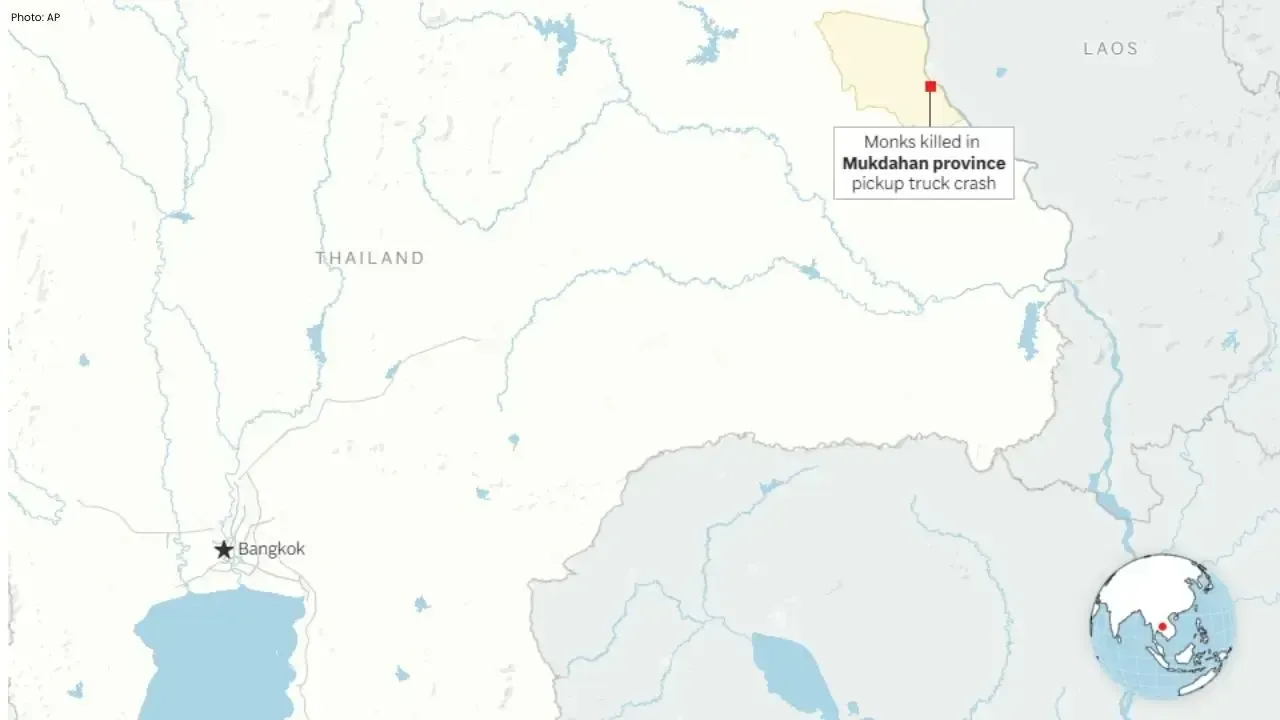
Nine Monks Killed in Thailand Pickup Truck Tragedy
An 11-year-old boy driving a pickup truck crashed into monks during a pilgrimage in northeastern Tha

Anwar Congratulates Xi on CPC's 105th Anniversary
Malaysia reaffirms strong ties with China as PM Anwar Ibrahim sends a congratulatory letter to Presi