You have not yet added any article to your bookmarks!
Join 10k+ people to get notified about new posts, news and tips.
Do not worry we don't spam!
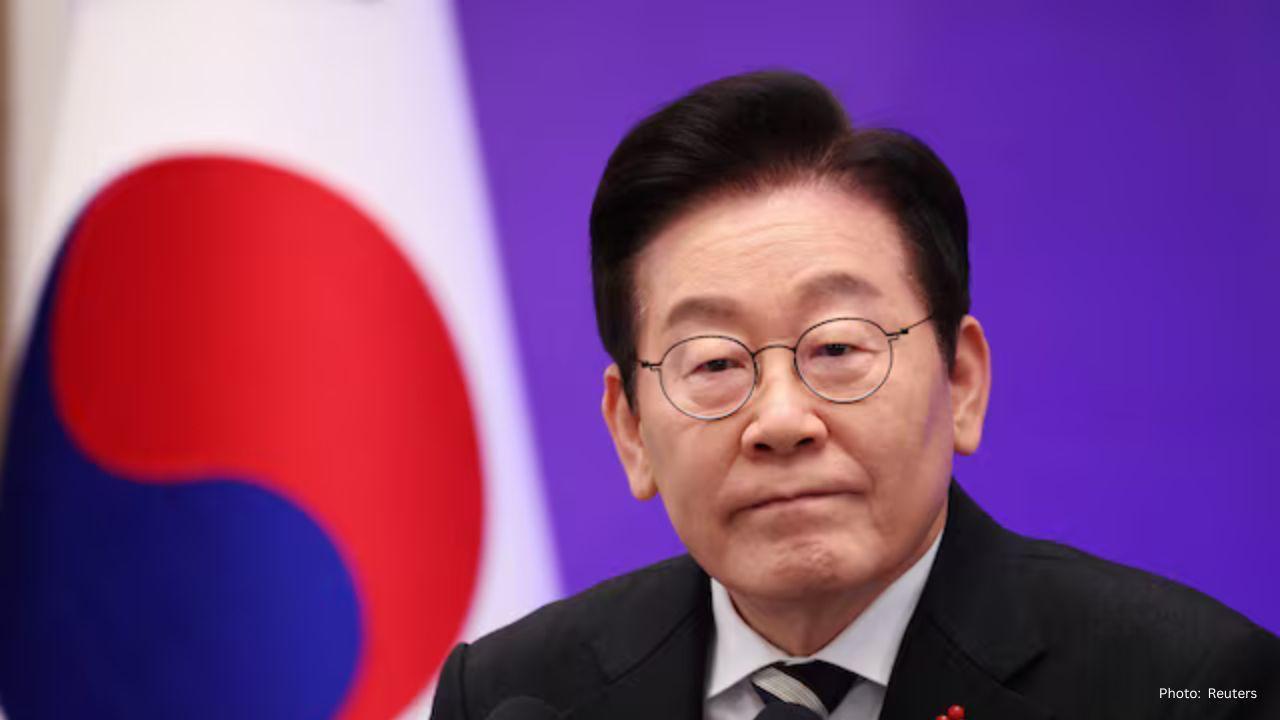
Post by : Saif Rahman
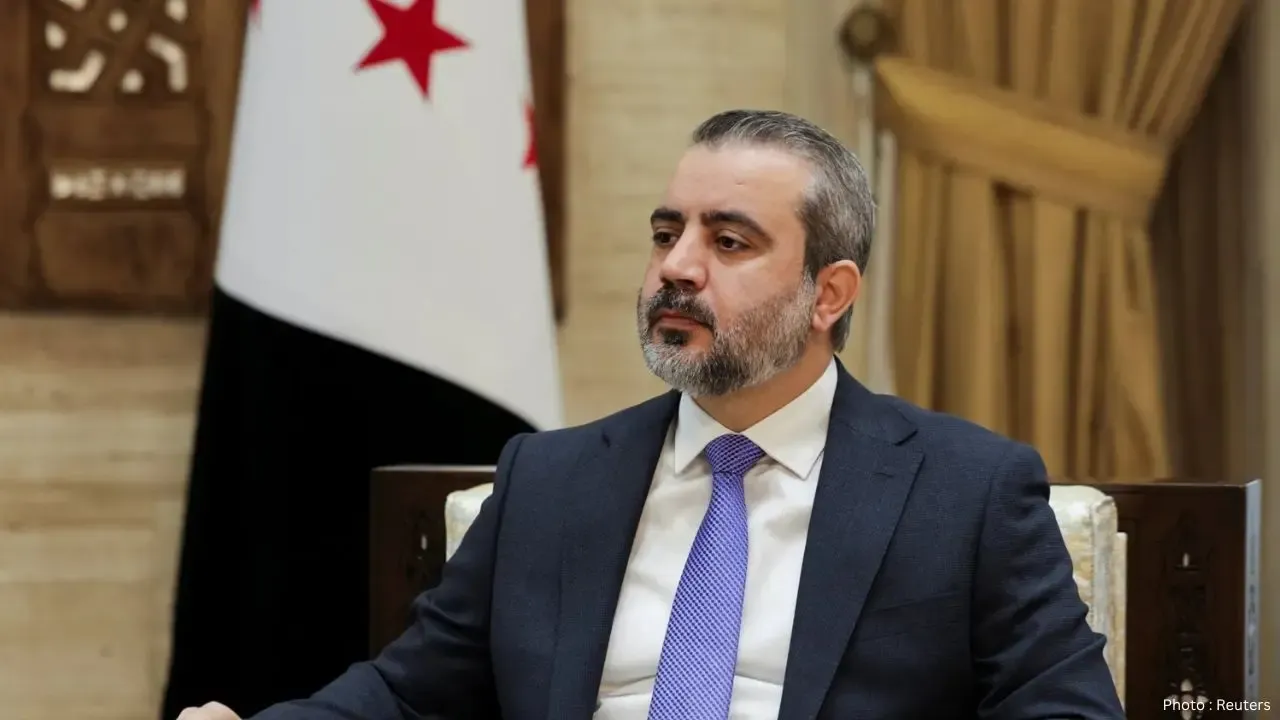
The President of South Korea, Lee Jae Myung, has initiated a thorough investigation into claimed unlawful ties between a religious organization and politicians. This directive, communicated on Wednesday by the presidential office, underscores a commitment to impartiality, asserting that no one should evade scrutiny, regardless of their political affiliation.
During a live cabinet meeting on Tuesday, President Lee urged his ministers to address religious groups that “interfere in political matters” or engage in illegal funding. He also requested that officials examine the differences between South Korea’s procedures for disbanding a religious entity and those in Japan, hinting at a potential adoption of stricter legal measures.
While President Lee refrained from specifying any particular organization, many speculate that his remarks may be indirectly aimed at the Unification Church, which is currently facing intense scrutiny in both South Korea and Japan. Its leader, Han Hak-ja, is presently on trial for allegedly attempting to bribe former First Lady Kim Keon Hee for political gain, a charge he vehemently denies.
This investigation is part of a broader series of inquiries led by special prosecutors following the controversial downfall of ex-President Yoon Suk Yeol, who faced impeachment after enforcing martial law in December 2024, igniting numerous investigations into his administration. The allegations against the Unification Church are intricately linked to the resulting political turmoil.
Reports indicate that the Unification Church might have also distributed funds to members of President Lee’s party, based on information from a former official who has cooperated with investigators. As a result, police have been instructed to look into connections between ruling party officials and the church, according to Yonhap News Agency.
At this point, the Unification Church has yet to present a fresh statement regarding the recent allegations.
In Japan, the church is also under considerable pressure. Earlier this year, a Tokyo district court mandated the disbandment of the Unification Church following a significant case that centered on financial misconduct and coercion of its members. The church has appealed against this decision, prolonging the legal confrontation.
President Lee’s push for a transparent and equitable investigation arrives at a critical juncture in South Korean politics, where trust in political figures has been eroded by various scandals, and the memories of last year’s martial law upheaval are still vivid. Citizens are increasingly demanding robust measures against corruption and undue influence. Lee’s statements convey that accountability shall extend to all factions and officials.
The evolving situation promises to sustain public interest as investigators push forward. What starts as a focused inquiry into a religious entity could unfold into a broader examination of the political landscape. For the moment, South Koreans are left to hope this instance will foster genuine accountability rather than merely enhancing the series of political controversies that have plagued the nation in recent times.
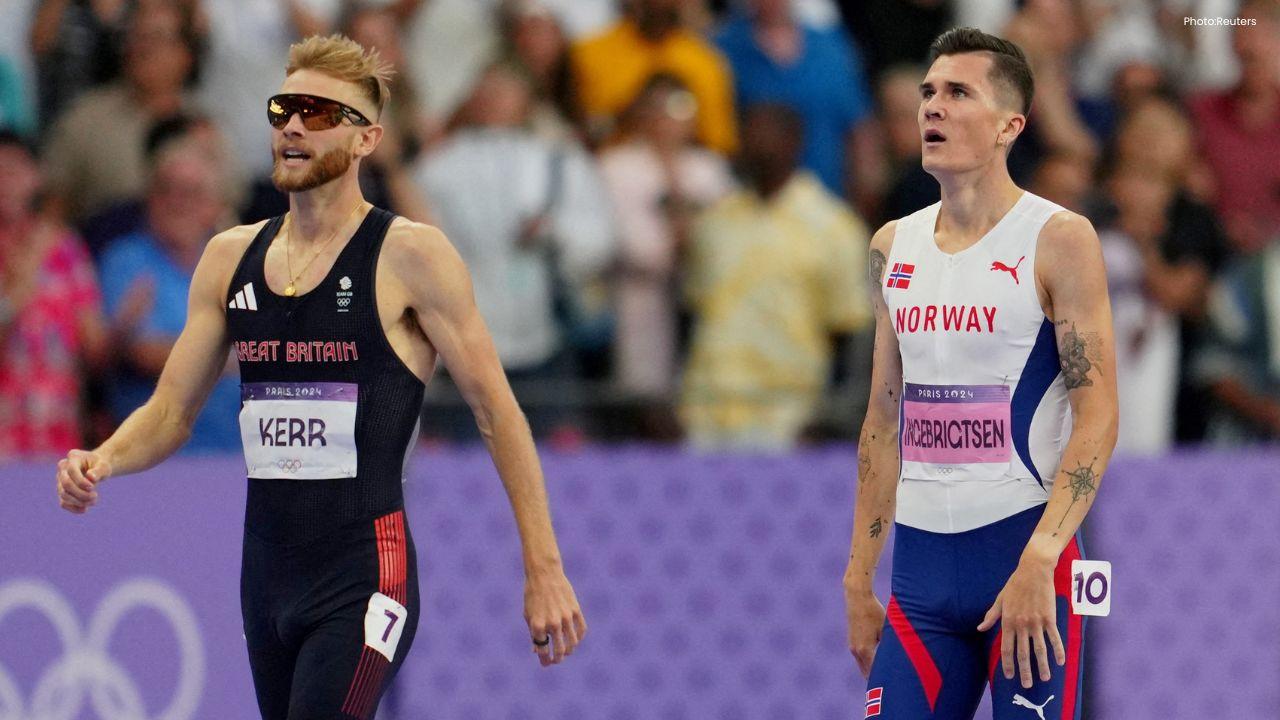

Josh Kerr and Jakob Ingebrigtsen Set for 1,500m Rivalry Rematch
Josh Kerr and Jakob Ingebrigtsen will renew their 1,500m rivalry at the Ultimate Championship in Bud

PSG Coach Luis Enrique Urges Players to Step Outside Comfort Zone
PSG coach Luis Enrique says players must leave their comfort zone and keep improving as the club tar

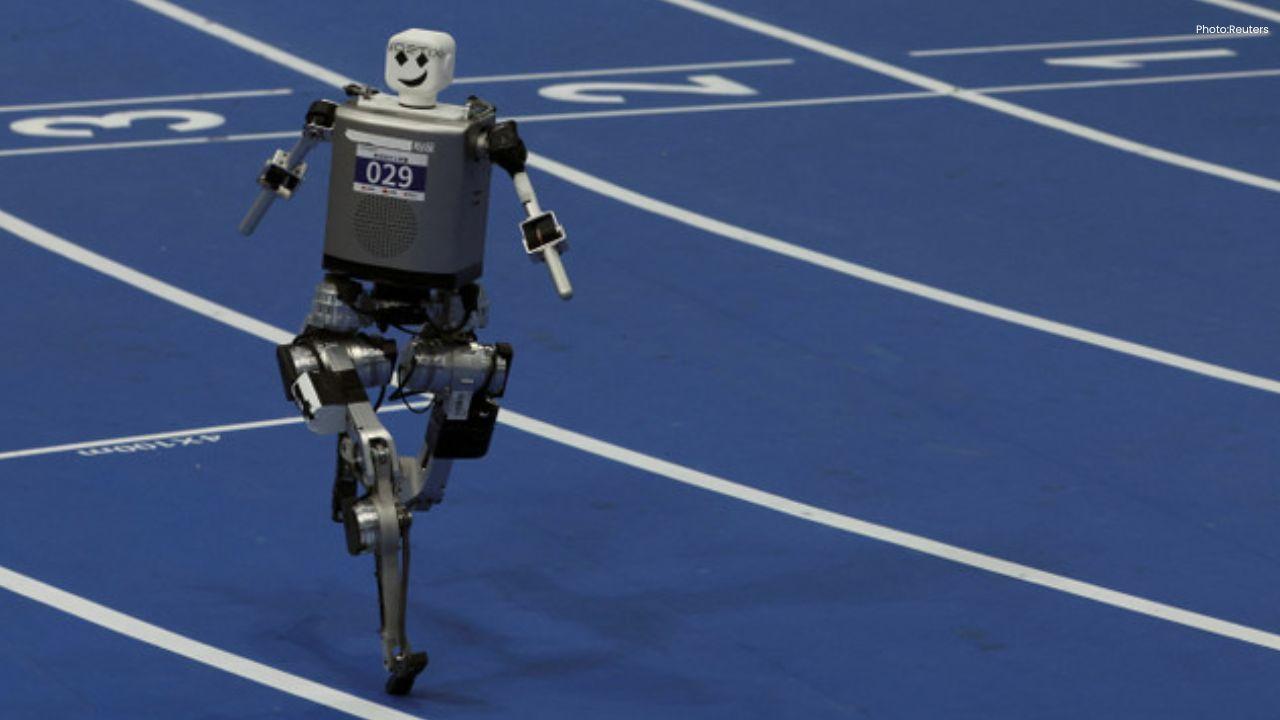
China’s Tiangong Sets New 400m Record at Robot Olympics
China’s Tiangong robot sets a new 400m record at the Robot Olympics, beating a South African robot i
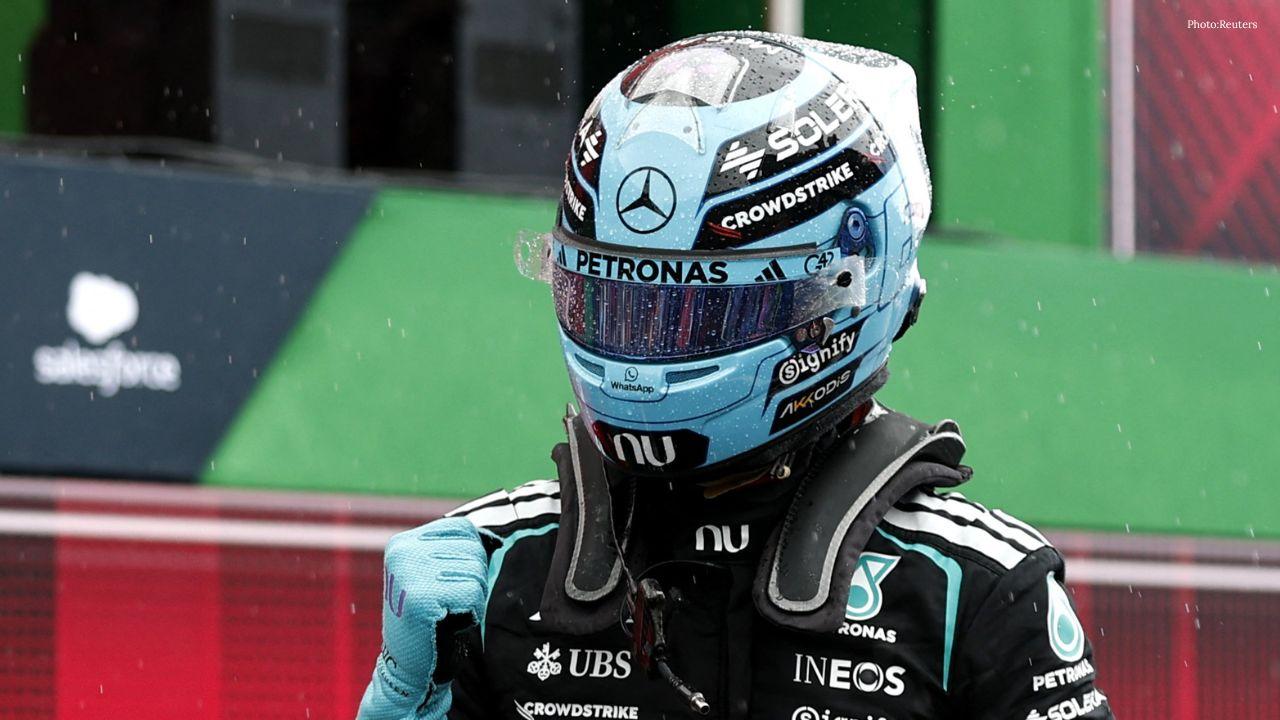
George Russell Wins Dutch GP Sprint, Boosts Mercedes Morale
George Russell wins the Dutch GP Sprint from pole as Mercedes teammate Kimi Antonelli extends his F1
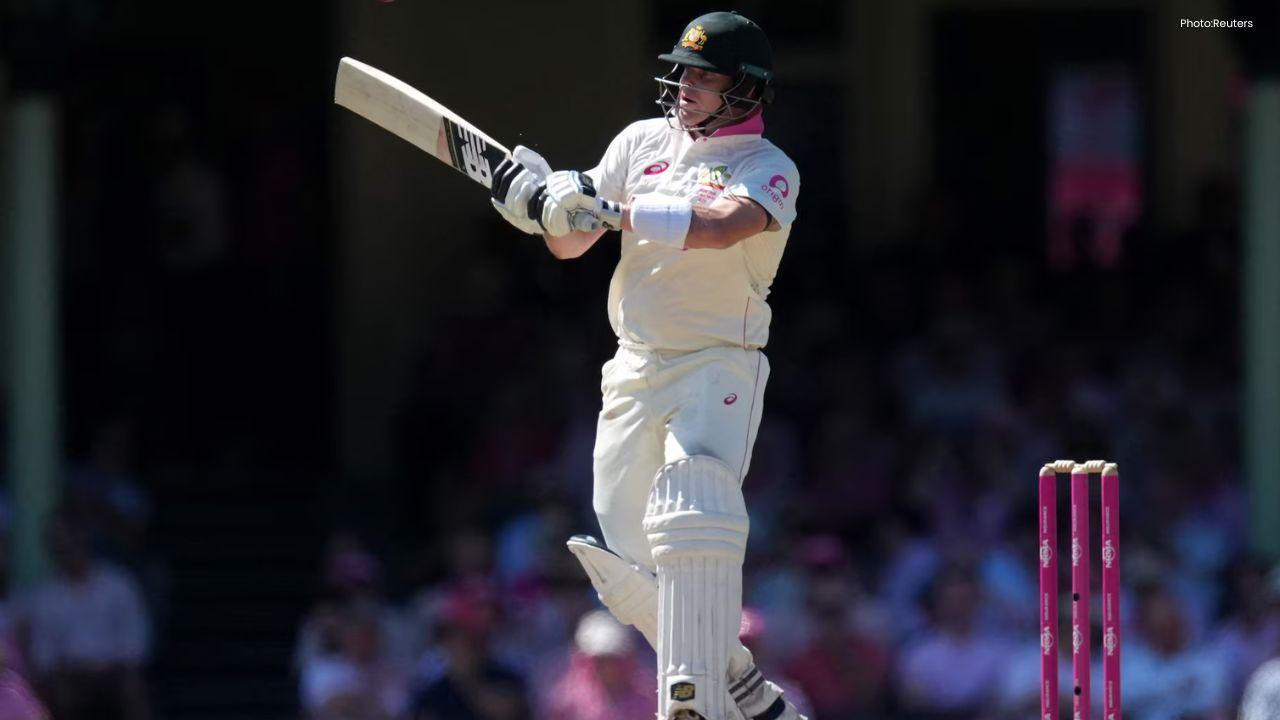
Australia 50/3 After Bangladesh Bowled Out for 64 in Second Test
Australia reached 50/3 after Bangladesh were bowled out for 64 in the second Test, with Mitchell Sta

Jordan Burroughs Returns to Wrestling with 2028 Olympic Dream
Jordan Burroughs returns to wrestling with Real American Freestyle as the Olympic champion eyes a po