You have not yet added any article to your bookmarks!
Join 10k+ people to get notified about new posts, news and tips.
Do not worry we don't spam!
Post by : Anis Farhan
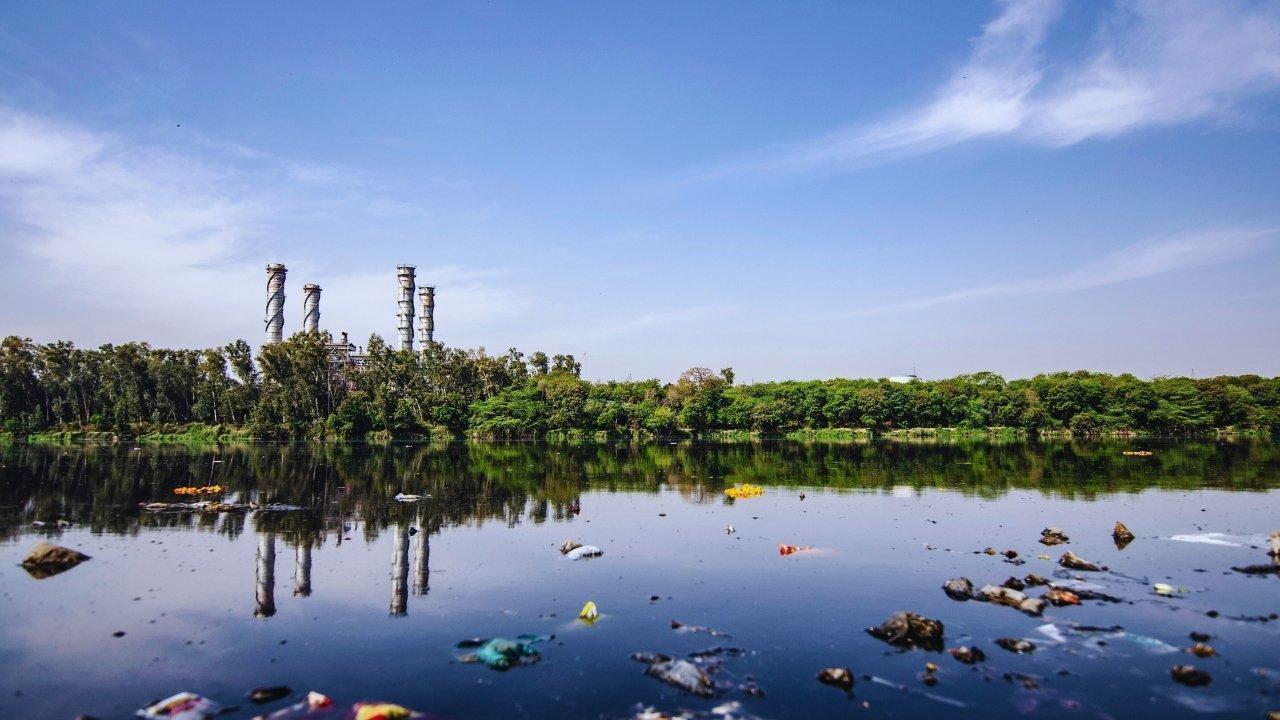
Air pollution is not confined by national boundaries—it travels with the wind, spreads across regions, and affects populations regardless of geography. South Asia and Southeast Asia, in particular, are living examples of this reality. Seasonal smog in northern India spreads into Nepal, while forest fires in Indonesia regularly create choking haze in Malaysia, Singapore, and Thailand. These events underline a troubling truth: pollution has become a transboundary crisis, demanding cooperation that goes far beyond local solutions.
Northern India is notorious for its winter smog, fueled by stubble burning, industrial emissions, and vehicular pollution. However, this problem is not confined to Delhi or Punjab—it often drifts into neighboring Nepal and Bangladesh. Residents of Kathmandu Valley, for instance, regularly experience reduced visibility and rising respiratory illnesses when India’s pollution levels peak.
Similarly, Pakistan shares the same atmospheric challenges, as pollutants move freely across borders in Punjab and Sindh. This has transformed air pollution into a regional crisis, not just a domestic issue. With cities like Lahore, Delhi, and Dhaka consistently ranking among the world’s most polluted, cooperation between governments is becoming more urgent than ever.
Few environmental issues in Southeast Asia are as infamous as the “haze” crisis. Every year, fires set to clear land for palm oil and agricultural use in Indonesia send thick smoke across Malaysia, Singapore, Brunei, and even Thailand. This cross-border pollution affects millions, grounding flights, shutting schools, and straining healthcare systems.
The haze crisis is not merely an environmental problem; it is a diplomatic one. Tensions often rise between Indonesia and its neighbors, with accusations and calls for accountability becoming common during peak haze periods. Despite regional agreements, enforcement remains weak, and the cycle repeats nearly every year.
Air pollution is a silent killer. The World Health Organization (WHO) estimates that millions of premature deaths each year are linked to poor air quality. In transboundary pollution scenarios, the health risks multiply because affected nations often have no control over the source of the pollutants.
Respiratory illnesses, cardiovascular problems, and childhood asthma rates spike during smog and haze events. Hospitals in both South Asia and Southeast Asia report surges in patients when pollution crosses dangerous thresholds. The economic costs—from healthcare to lost productivity—run into billions, creating shared burdens for neighboring nations.
The economic toll of transboundary air pollution is staggering. Flight cancellations during haze periods cost airlines millions. Tourism, a vital industry for countries like Thailand and Singapore, suffers heavily when skies are filled with smoke. Agricultural output declines, as crops and livestock are damaged by pollutants.
In South Asia, the winter smog not only disrupts local economies but also affects cross-border trade, as visibility at land and air checkpoints declines. The ripple effects extend to global supply chains, especially as both South Asia and Southeast Asia are critical manufacturing hubs.
Air pollution has sparked both disputes and cooperation between neighboring nations. In Southeast Asia, the ASEAN Agreement on Transboundary Haze Pollution, signed in 2002, was the world’s first regional pact addressing cross-border air quality. While it represents a step forward, critics argue that enforcement is weak and violations are common.
In South Asia, discussions under the South Asian Association for Regional Cooperation (SAARC) have touched on environmental cooperation, but tangible progress remains limited. Geopolitical rivalries often overshadow shared environmental concerns, leaving millions exposed to recurring pollution crises.
Addressing transboundary air pollution requires a mix of technology, governance, and cooperation.
Early Warning Systems: Satellite monitoring can track fire hotspots and smog patterns, allowing governments to act before pollution spreads.
Emission Controls: Cross-border agreements could mandate cleaner fuels, industrial regulations, and shared enforcement mechanisms.
Green Transitions: Promoting renewable energy, sustainable farming, and reforestation can reduce the root causes of smog and haze.
For instance, Singapore has implemented strict laws against companies contributing to haze, even if the fires are abroad. Such proactive policies could serve as models for broader regional adoption.
Civil society has played a vital role in pushing governments to take action. Activists, NGOs, and community organizations across Asia have pressured policymakers to enforce stronger air quality standards. Public demand for clean air has sparked protests in India and lawsuits in Indonesia, forcing authorities to confront the issue more directly.
Grassroots efforts—such as farmers adopting alternative methods to stubble burning, or communities creating localized air-monitoring networks—are helping fill gaps where government policies fall short. Citizen engagement remains a powerful force in addressing pollution that transcends national borders.
The battle against transboundary pollution requires a mindset shift. Instead of treating air quality as a domestic challenge, nations must recognize it as a shared responsibility. Cooperation, transparency, and accountability are critical. Whether through stronger ASEAN enforcement mechanisms, SAARC-led initiatives, or bilateral pacts, collaboration is the only way forward.
As climate change intensifies, extreme weather may worsen pollution episodes, making the need for coordinated action more urgent. Cleaner air is not only an environmental goal—it is a public health necessity and an economic imperative. Nations that learn to collaborate on air quality today will set the foundation for stronger regional resilience tomorrow.
This article is for informational purposes only and reflects general analysis of transboundary pollution and air quality challenges. It does not represent the official stance of any government or international organization.




Jordan Burroughs Returns to Wrestling with 2028 Olympic Dream
Jordan Burroughs returns to wrestling with Real American Freestyle as the Olympic champion eyes a po

Lamborghini Catches Fire on Singapore's ECP, Causing Heavy Traffic
A Lamborghini caught fire on Singapore's ECP, causing heavy traffic and bus delays. No injuries were

Bangkok Airport Duty-Free Area Flooded by Pipe Burst
A burst water pipe flooded the duty-free shopping area at Bangkok's Suvarnabhumi Airport on July 16,
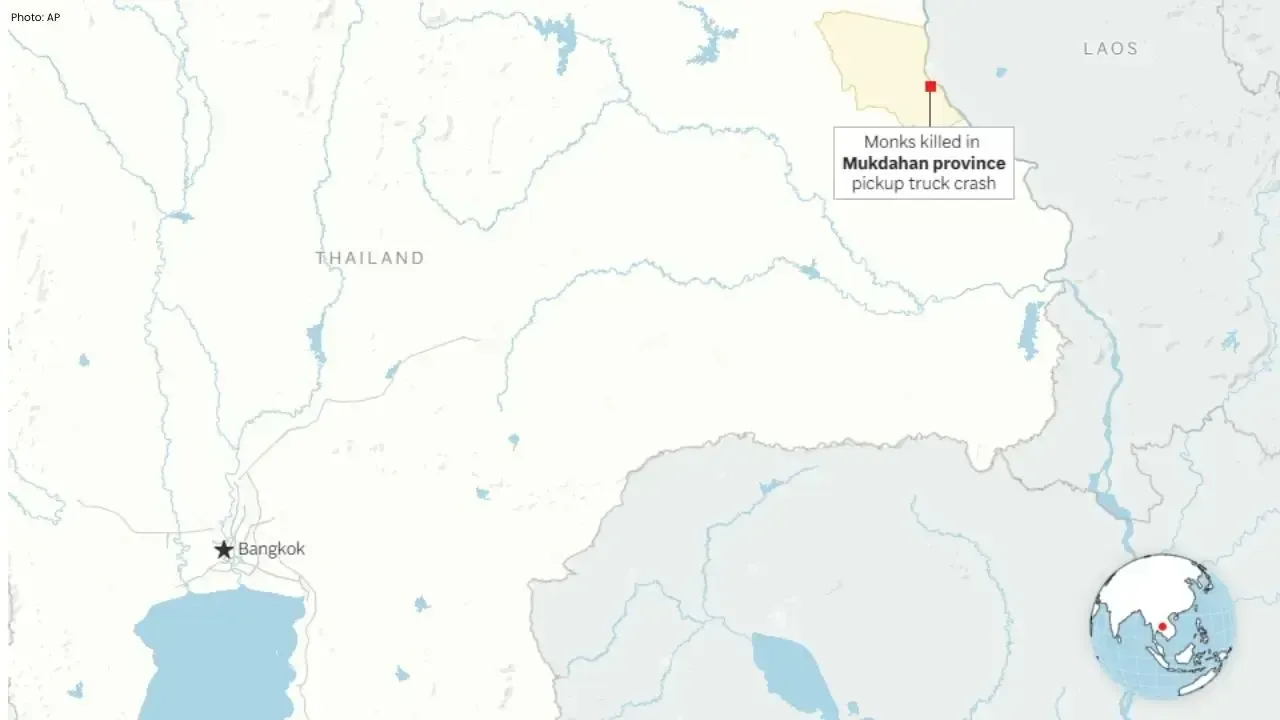
Nine Monks Killed in Thailand Pickup Truck Tragedy
An 11-year-old boy driving a pickup truck crashed into monks during a pilgrimage in northeastern Tha

Anwar Congratulates Xi on CPC's 105th Anniversary
Malaysia reaffirms strong ties with China as PM Anwar Ibrahim sends a congratulatory letter to Presi
Thai Agriculture Team Reviews 2026 Farm Development Plans
Agriculture Ministry officials inspected livestock and organic rice projects in Nakhon Sawan to moni