
You have not yet added any article to your bookmarks!
Join 10k+ people to get notified about new posts, news and tips.
Do not worry we don't spam!
Post by : Samjeet Ariff
Disclaimer:This article is for informational purposes only and should not be taken as medical advice. Always consult a qualified healthcare professional or nutritionist before making major dietary changes.
In recent years, plant-based diets have grown from a niche trend to a global movement. Supermarkets now offer dedicated vegan aisles, restaurants have plant-based menus, and social media is filled with influencers promoting “green living.” But behind all the buzz, one major question remains: Are plant-based diets actually healthier?
The answer is not as simple as “yes” or “no.” For many people, plant-based eating brings significant health benefits — from better heart health to improved digestion. But like any lifestyle choice, it also requires balance, planning, and awareness.
This article explores the real science behind plant-based diets, their benefits, potential drawbacks, and whether they are truly healthier compared to traditional diets.
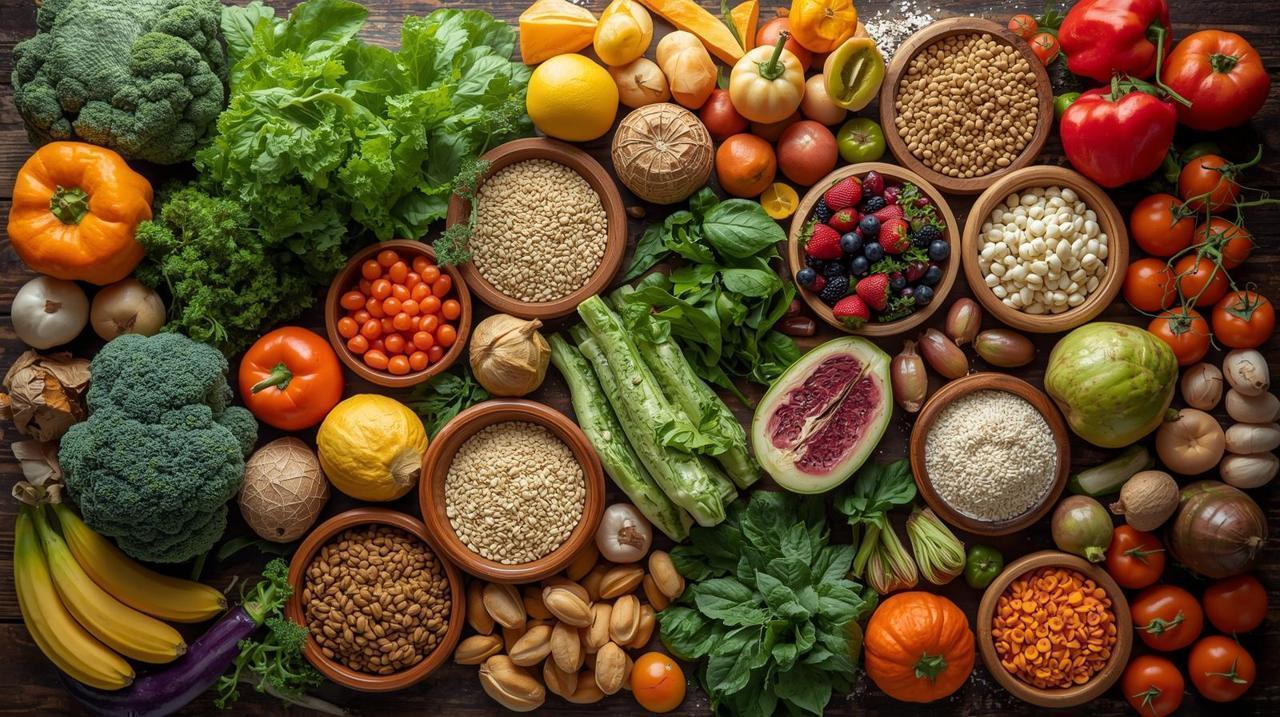
A plant-based diet focuses primarily on foods that come from plants, such as:
Vegetables
Fruits
Whole grains
Legumes
Nuts and seeds
Plant-based oils
It may or may not completely exclude animal products. Many people follow variations:
Vegan: No animal products at all
Vegetarian: Avoids meat but may include dairy and eggs
Flexitarian: Mostly plant-based but includes occasional meat
Whole-Food Plant-Based (WFPB): Focuses on unprocessed plant foods
This flexibility means that plant-based eating can adapt to different lifestyles without feeling restrictive.
Several factors are driving this global shift:
Research shows a strong connection between diet and long-term health. Many chronic diseases, such as diabetes and heart disease, are linked to poor dietary habits.
Plant-based eating requires fewer natural resources and produces fewer emissions compared to animal-based diets.
People are becoming more aware of animal welfare and the ethics of mass meat production.
Public figures and social media trends make plant-based lifestyles more appealing and accessible.
Studies consistently show that people who follow plant-based diets have a lower risk of:
Heart attacks
High blood pressure
High cholesterol
This is largely because plant foods are rich in fiber, antioxidants, and healthy fats while being low in saturated fat.
A plant-rich diet may lower the risk of:
Type 2 diabetes
Obesity
Certain cancers (particularly colon and breast cancer)
Fiber-rich foods help improve blood sugar levels and reduce inflammation.
Plant-based diets typically include fewer calories while keeping you full due to fiber. This can lead to natural, sustainable weight loss without extreme dieting.
Gut bacteria thrive on fiber — something plant-based diets offer in abundance. This leads to:
Better digestion
Reduced bloating
Stronger immune function
Better mood control (through gut-brain connection)
Plant-based foods are rich in:
Vitamin C
Vitamin E
Potassium
Magnesium
Phytonutrients
Antioxidants
These nutrients help protect against inflammation and cellular damage.
While plant-based diets are generally healthy, they’re not automatically perfect. Poor planning can lead to nutritional gaps and health issues.
Common nutrients people may fall short on include:
Vitamin B12
Iron
Omega-3 fatty acids
Calcium
Vitamin D
Zinc
These nutrients are more abundant in animal products.
Not all plant-based foods are healthy.
Vegan chips, vegan burgers, frozen meals, and desserts can be:
High in sodium
High in sugar
Full of preservatives
Low in nutrients
A healthy plant-based diet should prioritize whole foods, not packaged ones.
Some people increase their carb intake too much when switching to plant-based eating. Without balance, this may lead to weight gain or blood sugar issues.
If you want genuine benefits, keep these guidelines in mind:
Fruits, vegetables, lentils, beans, oats, nuts, and seeds should form the foundation.
Chickpeas, soy, tofu, tempeh, lentils, quinoa, and beans.
Especially B12, Vitamin D, iron, or omega-3.
Include healthy fats, proteins, and whole grains in each meal.
Being vegan doesn’t automatically mean healthy.
Yes, plant-based diets can be significantly healthier when done correctly. They offer numerous benefits — especially for heart health, weight management, and chronic disease prevention.
However, they are not a miracle cure, and they require mindful planning. With balanced nutrition and whole foods, a plant-based lifestyle can support long-term wellness and improve overall quality of life.
If you’re considering switching, start slowly and find what works best for your body. A gradual approach often leads to long-lasting results.










Hyundai raises profit target, expands hybrid lineup in the US
Hyundai hybrid cars get a major boost as the automaker raises its profit margin target and plans new

Josh Kerr and Jakob Ingebrigtsen Set for 1,500m Rivalry Rematch
Josh Kerr and Jakob Ingebrigtsen will renew their 1,500m rivalry at the Ultimate Championship in Bud

PSG Coach Luis Enrique Urges Players to Step Outside Comfort Zone
PSG coach Luis Enrique says players must leave their comfort zone and keep improving as the club tar

China’s Tiangong Sets New 400m Record at Robot Olympics
China’s Tiangong robot sets a new 400m record at the Robot Olympics, beating a South African robot i

George Russell Wins Dutch GP Sprint, Boosts Mercedes Morale
George Russell wins the Dutch GP Sprint from pole as Mercedes teammate Kimi Antonelli extends his F1

Australia 50/3 After Bangladesh Bowled Out for 64 in Second Test
Australia reached 50/3 after Bangladesh were bowled out for 64 in the second Test, with Mitchell Sta

