
You have not yet added any article to your bookmarks!
Join 10k+ people to get notified about new posts, news and tips.
Do not worry we don't spam!
Post by : Rohit Dhiman
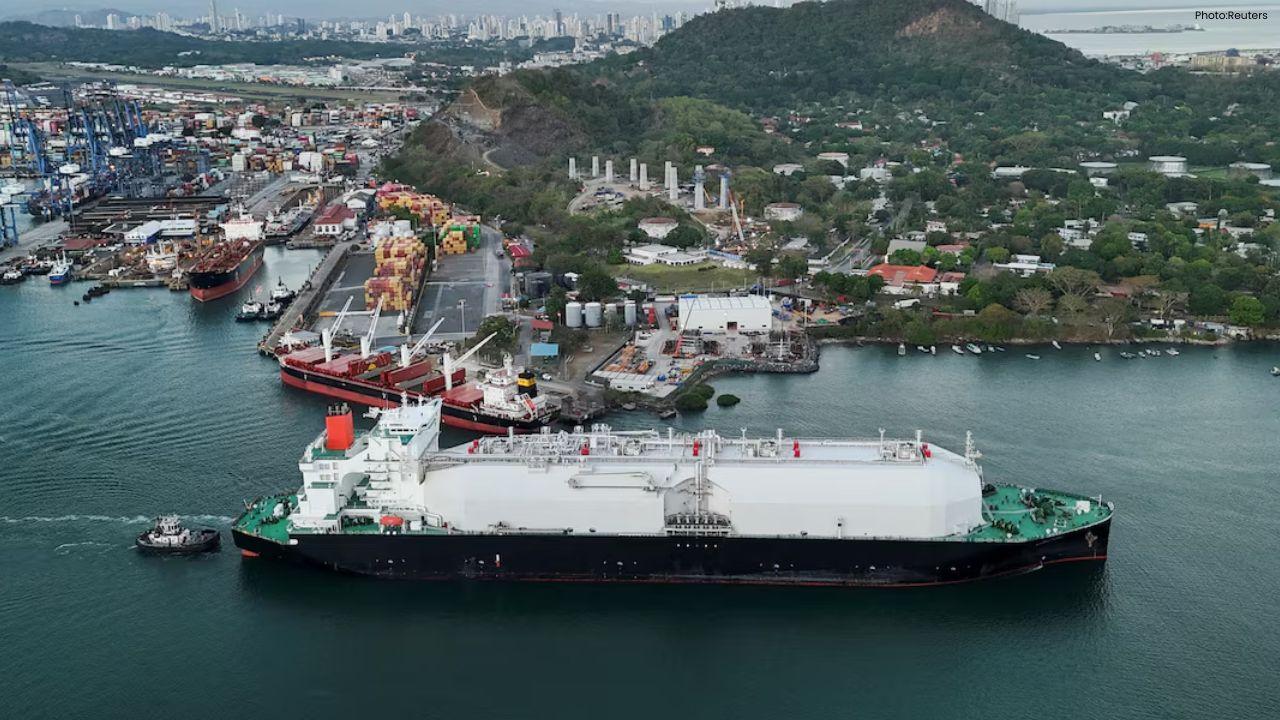
The Panama Canal has started reducing the number of vessels allowed to pass through the strategic waterway as severe drought conditions linked to the El Nino weather phenomenon continue to affect Panama and other parts of Central America. The Panama Canal Authority began implementing the latest restrictions on Friday, September 4, after water levels in the artificial lakes that supply the canal fell to levels that created additional pressure on its operations. The authority plans to gradually reduce the daily number of vessel transits from 36 to 32 by the middle of September. The decision highlights the growing impact of extreme weather on one of the world's most important shipping routes. The canal connects the Atlantic and Pacific oceans and allows commercial vessels to avoid the much longer journey around the southern tip of South America.
Panama has declared a nationwide emergency because of the developing El Nino weather phenomenon, which is influencing rainfall, wind patterns, atmospheric conditions and temperatures across several regions. According to the information provided by canal authorities, the current El Nino event is expected to become the strongest comparable episode recorded in around four decades. Although the phenomenon has not yet reached its maximum intensity, drought conditions are already putting significant pressure on water resources across Central America. Honduras and El Salvador have also reported serious drought conditions and declared emergency measures, underlining the wider regional consequences of changing weather patterns.
The Panama Canal is particularly important for international shipping because it provides a shorter maritime connection between major markets in Asia, the Americas and Europe. The waterway is estimated to handle about five per cent of global maritime trade. It also plays a major role in the movement of containerized goods connected with the United States, with around 40 per cent of US container traffic using the route. Any prolonged reduction in vessel crossings could therefore create delays for shipping companies and increase pressure on alternative routes. Higher transportation costs, longer journeys and possible scheduling disruptions could also affect international supply chains if restrictions remain in place for an extended period.
The canal authority has already introduced several measures to conserve its limited water resources. One important step has been reducing the maximum draft permitted for some of the largest ships. A lower draft means that vessels cannot sit as deeply in the water while travelling through the canal. This helps reduce the amount of water required for safe passage under difficult conditions, although it can also limit how much cargo a ship can carry. The latest restrictions are part of a broader effort to balance commercial shipping requirements with the need to protect the canal's water supply.
The Panama Canal previously faced significant operational difficulties during an earlier El Nino period. In 2023, worsening drought conditions forced authorities to reduce the number of daily vessel crossings to as few as 22. The current restrictions are being introduced while authorities continue monitoring water availability and weather conditions. If drought conditions worsen, additional measures could become necessary to maintain the canal's long-term operations. The situation demonstrates how increasingly severe weather patterns can directly affect critical infrastructure and international commerce. For shipping companies, the availability of reliable transit through the canal remains closely connected to Panama's ability to maintain sufficient water levels in the lakes that support its operations.
Read Also: Malaysia PM Anwar Open to Early General Election Amid Poll Calls
The Panama Canal is reducing vessel crossings because drought has lowered water levels in the artificial lakes that supply the canal.
The daily number of permitted crossings is being progressively reduced from 36 vessels to 32 vessels by mid-September.
The drought is linked to El Nino, a climate pattern that can significantly alter rainfall, wind and temperature conditions across different parts of the world.
The canal provides a major shortcut between the Atlantic and Pacific oceans and is an important route for international maritime trade.
The latest restrictions in Panama could have implications beyond Central America. The canal is a major international shipping corridor, so prolonged limitations could influence vessel schedules, cargo movement, transportation costs and global supply chains.










PM Modi Pays Tribute to Mahatma Gandhi, Urges People to Support Khadi
PM Modi pays tribute to Mahatma Gandhi on Gandhi Jayanti and urges citizens to support Khadi and the

Amazon Seeks to Offload $8 Billion in Nvidia Chips to Investors
Amazon plans to move $8 billion in Nvidia chips to investors, using a new financing model to strengt

Samsung Raises Galaxy S26 Prices as Memory Chip Costs Rise
Samsung raises Galaxy S26 prices in South Korea as rising memory chip costs put pressure on smartpho

Lewis Hamilton Calls Singapore Grand Prix One of F1's Toughest Races
Lewis Hamilton discusses the demanding Singapore Grand Prix and brings Plus44 and Almave to Singapor

Denmark's Pandora Opens World's Largest Jewellery Factory in Vietnam
Pandora opens its largest jewellery factory in Vietnam, expanding global production, strengthening s

Gautam Gambhir Questions Batting-Friendly Pitches After India's Record ODI Chase
Gautam Gambhir questions batting-friendly ODI pitches after India’s record chase, calling for a bett

