
You have not yet added any article to your bookmarks!
Join 10k+ people to get notified about new posts, news and tips.
Do not worry we don't spam!
Post by : Shakul
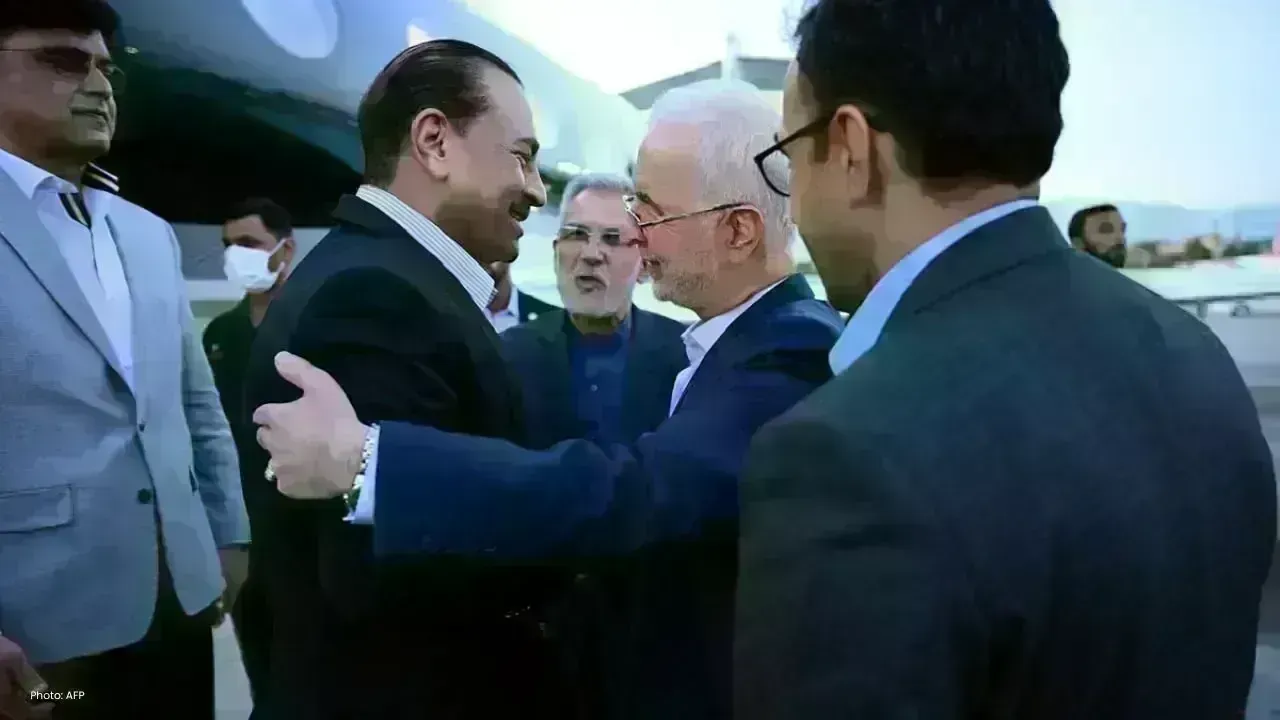
Pakistan’s powerful army chief Asim Munir arrived in Tehran on Friday as diplomatic efforts intensified around the ongoing Middle East conflict. The visit comes at a critical moment as Iran reviews a new peace proposal from the United States while warning that major disagreements still remain unresolved between both sides.
Iranian Foreign Ministry spokesperson Esmaeil Baqaei stated that despite ongoing diplomatic contacts, the differences between Tehran and Washington remain “deep and extensive.” Iranian officials stressed that recent discussions should not yet be viewed as a breakthrough or a decisive turning point in negotiations.
The war, which began on February 28 following joint US-Israeli strikes on Iran, has continued to destabilize the region despite an April ceasefire agreement that temporarily halted direct military clashes. Negotiations between the United States and Iran have continued since then, including rare face-to-face meetings hosted in Pakistan earlier this year.
Pakistan has emerged as a key mediator in the crisis, with officials confirming that Asim Munir’s visit to Tehran is part of ongoing efforts to reduce tensions and revive stalled negotiations. Upon arrival, the Pakistani military chief was welcomed by Iranian Interior Minister Eskandar Momeni along with senior Pakistani officials.
Meanwhile, US Secretary of State Marco Rubio said there had been “some progress” in talks with Iran but admitted that reaching a final agreement remains difficult. He warned that if diplomacy fails, Washington still has alternative options under consideration. US President Donald Trump has also expressed uncertainty about whether negotiations will ultimately succeed.
One of the biggest concerns in ongoing talks remains the future of the Strait of Hormuz, a vital global shipping route that carries a significant portion of the world’s oil and gas supplies. Iran’s control measures and restrictions in the strait have already increased fears of global economic disruption and rising energy prices.
At the same time, tensions continue to rise across neighboring regions including Lebanon, where clashes involving Hezbollah and Israeli forces have persisted despite ceasefire agreements. Recent Israeli airstrikes in eastern and southern Lebanon reportedly killed multiple people, including rescuers and civilians, according to Lebanese authorities.
Global markets are closely watching the diplomatic developments as investors hope negotiations could prevent another escalation in the Middle East conflict. However, uncertainty surrounding oil supplies, shipping routes and regional security continues to keep international markets on edge.










PM Modi Pays Tribute to Mahatma Gandhi, Urges People to Support Khadi
PM Modi pays tribute to Mahatma Gandhi on Gandhi Jayanti and urges citizens to support Khadi and the

Amazon Seeks to Offload $8 Billion in Nvidia Chips to Investors
Amazon plans to move $8 billion in Nvidia chips to investors, using a new financing model to strengt

Samsung Raises Galaxy S26 Prices as Memory Chip Costs Rise
Samsung raises Galaxy S26 prices in South Korea as rising memory chip costs put pressure on smartpho

Lewis Hamilton Calls Singapore Grand Prix One of F1's Toughest Races
Lewis Hamilton discusses the demanding Singapore Grand Prix and brings Plus44 and Almave to Singapor

Denmark's Pandora Opens World's Largest Jewellery Factory in Vietnam
Pandora opens its largest jewellery factory in Vietnam, expanding global production, strengthening s

Gautam Gambhir Questions Batting-Friendly Pitches After India's Record ODI Chase
Gautam Gambhir questions batting-friendly ODI pitches after India’s record chase, calling for a bett

