
You have not yet added any article to your bookmarks!
Join 10k+ people to get notified about new posts, news and tips.
Do not worry we don't spam!
Post by : Shweta
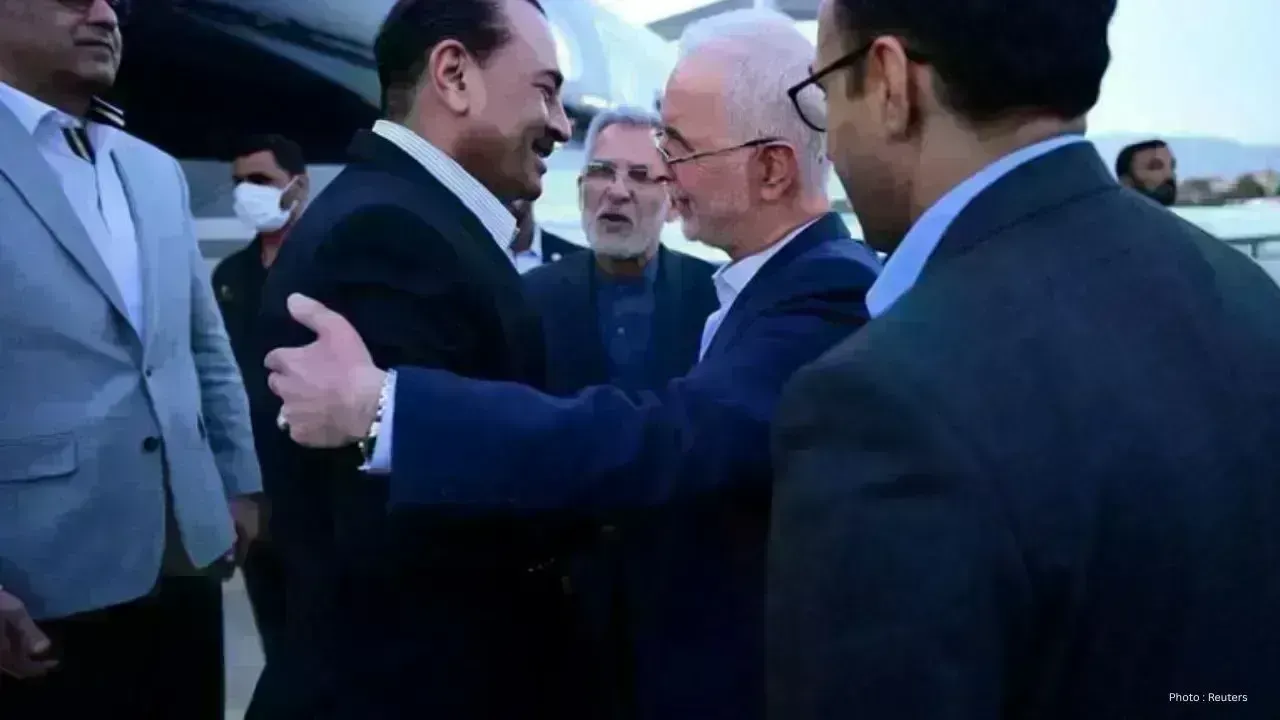
In Tehran, Pakistan's Army Chief Asim Munir engaged in crucial discussions with Iranian Foreign Minister Abbas Araghchi as tensions between the United States and Iran intensify. This meeting comes at a pivotal moment for diplomatic efforts aimed at averting further conflict in the Middle East. Officials from both nations conversed about regional security, ongoing peace initiatives, and strategies to alleviate tensions between Washington and Tehran.
Reports indicate that their talks centered on current events in the region and potential diplomatic avenues to prevent increased military hostilities. Recently, Pakistan has enhanced its role as a mediator, aiming to facilitate peace talks and ensure regional stability. Asim Munir's visit highlights Pakistan's broader diplomatic mission of fostering dialogue between both parties.
The longstanding discord between Iran and the United States revolves around several critical issues, including Iran's nuclear ambitions, ongoing sanctions, and security dynamics in the Gulf. As talks have stagnated, anxiety over the situation in the Strait of Hormuz and the possibility of military interventions have heightened global apprehension. Countries like Pakistan and Qatar are now seeking to renew diplomatic conversations before tensions escalate further.
During the bilateral meeting, Iranian representatives elaborated on ongoing diplomatic initiatives and the potential for future negotiations with the US. Although Iran maintains a firm stance regarding sanctions and nuclear negotiations, officials indicated a willingness to keep communication channels open through third-party intermediaries. Pakistan has taken on a significant role in ensuring both sides remain engaged in indirect discussions.
This meeting between Asim Munir and Abbas Araghchi underscores Pakistan's growing stature in regional diplomacy. With shared borders and strong ties to Iran, alongside strategic relationships with the US and Gulf nations, Pakistan appears to be delicately balancing these connections to stave off regional instability that could ripple into South Asia and affect global energy markets.
Discussions also covered security concerns, trade routes, and the broader situation in West Asia. Diplomatic engagement is essential as global leaders persist in their efforts to prevent a wider conflict that could disrupt oil supplies, shipping lanes, and economic stability across numerous nations.










PM Modi Pays Tribute to Mahatma Gandhi, Urges People to Support Khadi
PM Modi pays tribute to Mahatma Gandhi on Gandhi Jayanti and urges citizens to support Khadi and the

Amazon Seeks to Offload $8 Billion in Nvidia Chips to Investors
Amazon plans to move $8 billion in Nvidia chips to investors, using a new financing model to strengt

Samsung Raises Galaxy S26 Prices as Memory Chip Costs Rise
Samsung raises Galaxy S26 prices in South Korea as rising memory chip costs put pressure on smartpho

Lewis Hamilton Calls Singapore Grand Prix One of F1's Toughest Races
Lewis Hamilton discusses the demanding Singapore Grand Prix and brings Plus44 and Almave to Singapor

Denmark's Pandora Opens World's Largest Jewellery Factory in Vietnam
Pandora opens its largest jewellery factory in Vietnam, expanding global production, strengthening s

Gautam Gambhir Questions Batting-Friendly Pitches After India's Record ODI Chase
Gautam Gambhir questions batting-friendly ODI pitches after India’s record chase, calling for a bett

