
You have not yet added any article to your bookmarks!
Join 10k+ people to get notified about new posts, news and tips.
Do not worry we don't spam!
Post by : Shweta
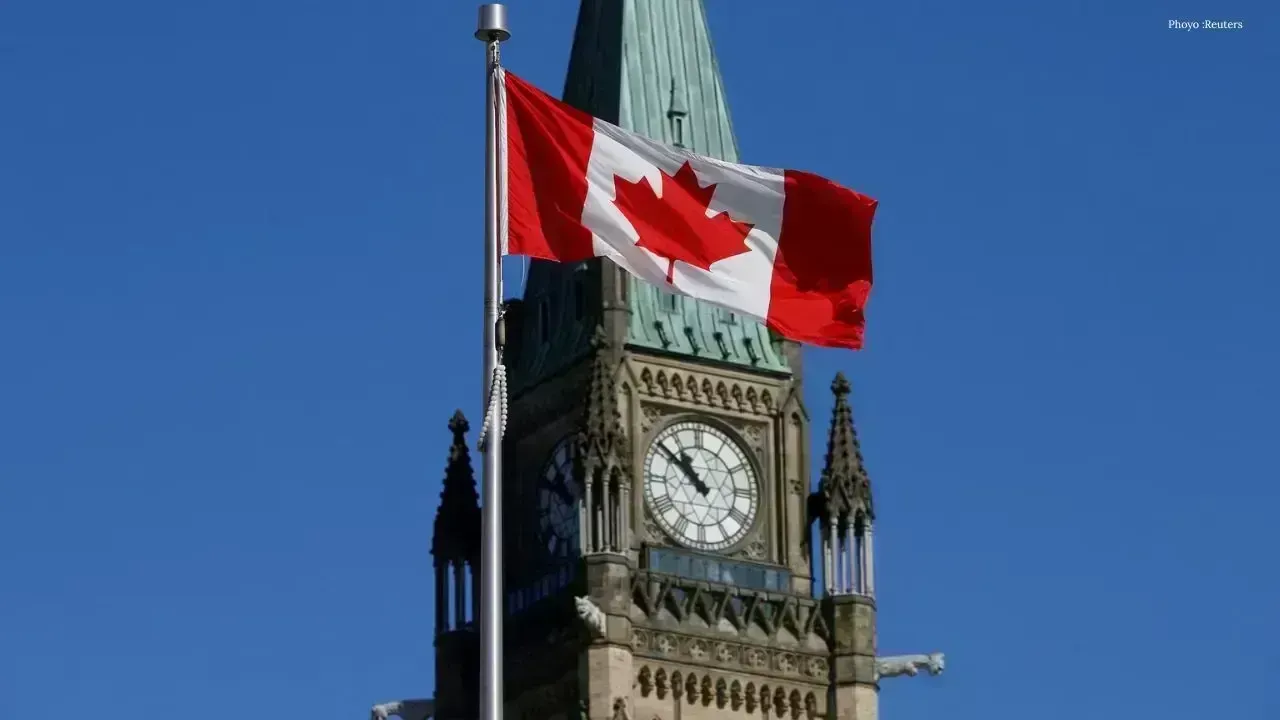
Canada's proposed anti-hate legislation has recently been updated to include the noose among its list of banned hate symbols. This change has resulted in Bill C-9 being referred back to the House of Commons, momentarily postponing its final approval. The federal government has expressed its intention to accept the Senate's amendment introduced during the concluding phases of the bill's parliamentary review.
With the aim of enhancing provisions within the Criminal Code to combat hate crimes and safeguard religious and minority groups, Bill C-9 had previously advanced through both the Senate and House of Commons and was anticipated to soon receive Royal Assent. However, the Senate's inclusion of the noose among prohibited symbols necessitates that the House of Commons re-evaluate the amendment.
Justice Minister Sean Fraser's office indicates that the noose is historically linked to anti-Black racism, intimidation, and violence. Acknowledging the significance of this symbol is deemed crucial in confronting hatred aimed at Black communities and ensuring Canadian laws resonate with these realities.
The amendment garnered support from Senator Kristopher Wells, who championed the bill in the Senate. During discussions, he characterized the noose as a contemporary emblem of white supremacy, utilized to instill fear. He referenced recent white nationalist protests in Nova Scotia and Quebec as indicators for the need for stronger regulations.
Senator Wanda Thomas Bernard shared her own experiences during the voting session, recalling overt racist comments she encountered in her neighborhood, including the sight of a noose on a truck's back. Her testimony underscored the profound emotional and historical repercussions these symbols have on Black communities.
If passed, the bill will criminalize the display of banned symbols intended to promote hatred against identifiable groups. Additional measures include prohibiting symbols linked to extremist organizations already banned in Canada, such as Hamas, Hezbollah, and the Tamil Tigers.
The legislation also aims to prohibit the Nazi Hakenkreuz, referred to commonly as the hooked cross, along with SS bolts. Amendments made during its passage agreed to substitute references to the swastika with the term Hakenkreuz following concerns raised by Hindu advocates, who emphasized the sacred nature of the swastika in Hinduism.
Another stipulation within Bill C-9 makes it illegal to obstruct access to worship and community gathering sites for Jews, Muslims, and other identifiable groups, with potential prison sentences of up to 10 years for violations.
The proposed amendments have sparked political debate, with some Conservative lawmakers and religious organizations suggesting that modifying the Criminal Code might impinge upon religious freedoms and expressions. Notably, one contentious amendment, endorsed by Liberal and Bloc Québécois members, eliminated a previous religious exemption permitting quoting religious texts without fear of hate speech prosecution.
Supporters argue the legal bar for hate speech offences remains exceedingly high, asserting that general religious teachings and theological discussions won't suffice for prosecution under this legislation.
Senators also voted down an initiative that sought to establish a distinct offense for denying residential school experiences. Senator Mary Jane McCallum, herself a residential school attendee with Cree lineage, opposed the concept, cautioning that it could hinder essential dialogues that need to occur.
The federal government maintains hope that Bill C-9 can be enacted before parliamentary recess this summer. The House of Commons is now tasked with reviewing the Senate amendment before the bill secures final approval. The outcome promises to influence Canada’s strategy against hate crimes and the regulation of symbols linked to racism and extremism.
Stay tuned with us for more significant developments and updates.








APEC Members Emphasise Safe and Responsible Use of Artificial Intelligence
APEC members discuss responsible AI use, digital innovation and data governance as China and the US

Union of European Clubs Challenge UEFA and EFC Over EU Competition Rules
UEC files an EU competition complaint against UEFA and EFC, challenging club representation, governa

Mohammed Shami Retires From Test Cricket, Eyes White-Ball Career
Mohammed Shami retires from Test cricket after 13 years, with 229 wickets. He will continue playing

Singapore Warns Users About Privacy and Security Risks of AI Agents
Singapore warns users about AI agent security risks, data privacy, online scams and unauthorised acc
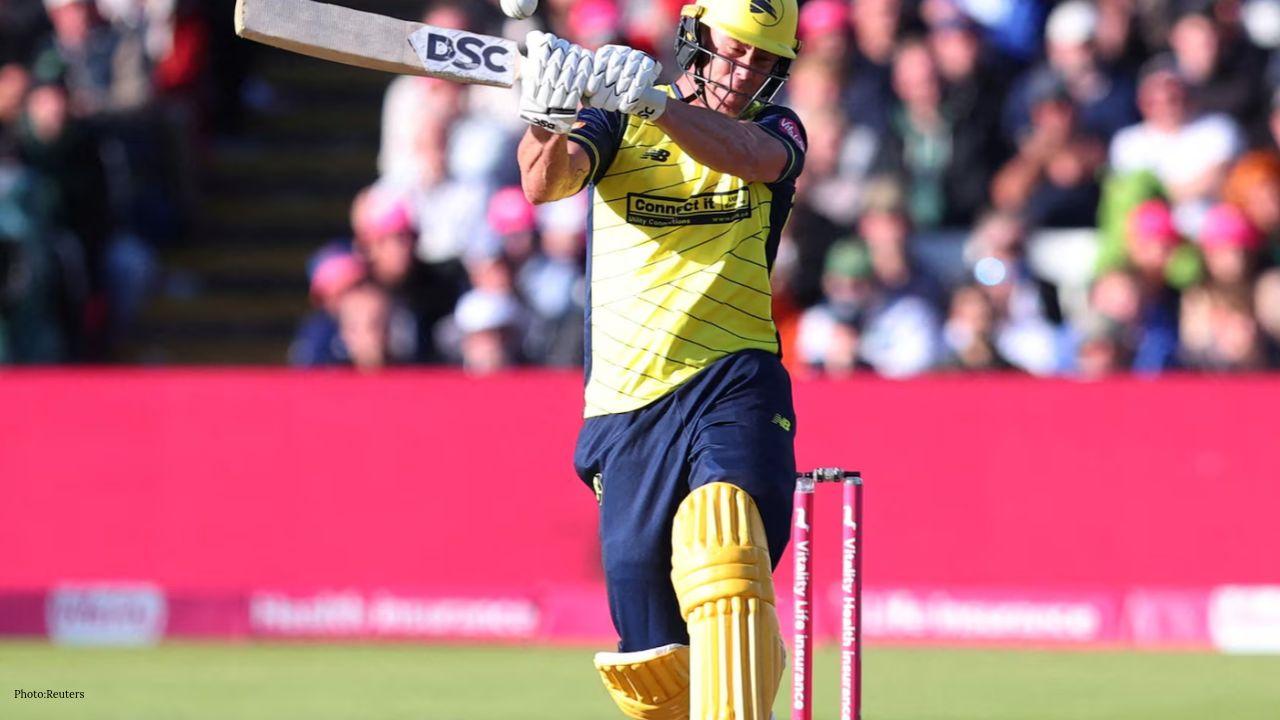
Chris Lynn Completes One-Month Ban After Positive Cocaine Test
Australian cricketer Chris Lynn completes a one-month ban after a positive cocaine test during the T

Djokovic Eyes Strong Season Finish as Health Improves Ahead of Paris Masters
Novak Djokovic reports improved health and performance as he targets a strong Paris Masters finish a