
You have not yet added any article to your bookmarks!
Join 10k+ people to get notified about new posts, news and tips.
Do not worry we don't spam!
Post by : Saif Rahman
Pakistan is stepping into the diplomatic spotlight as it gears up to host crucial peace negotiations aimed at alleviating the strains between the United States and Iran. This comes at a pivotal moment, with the ceasefire approaching its expiration.
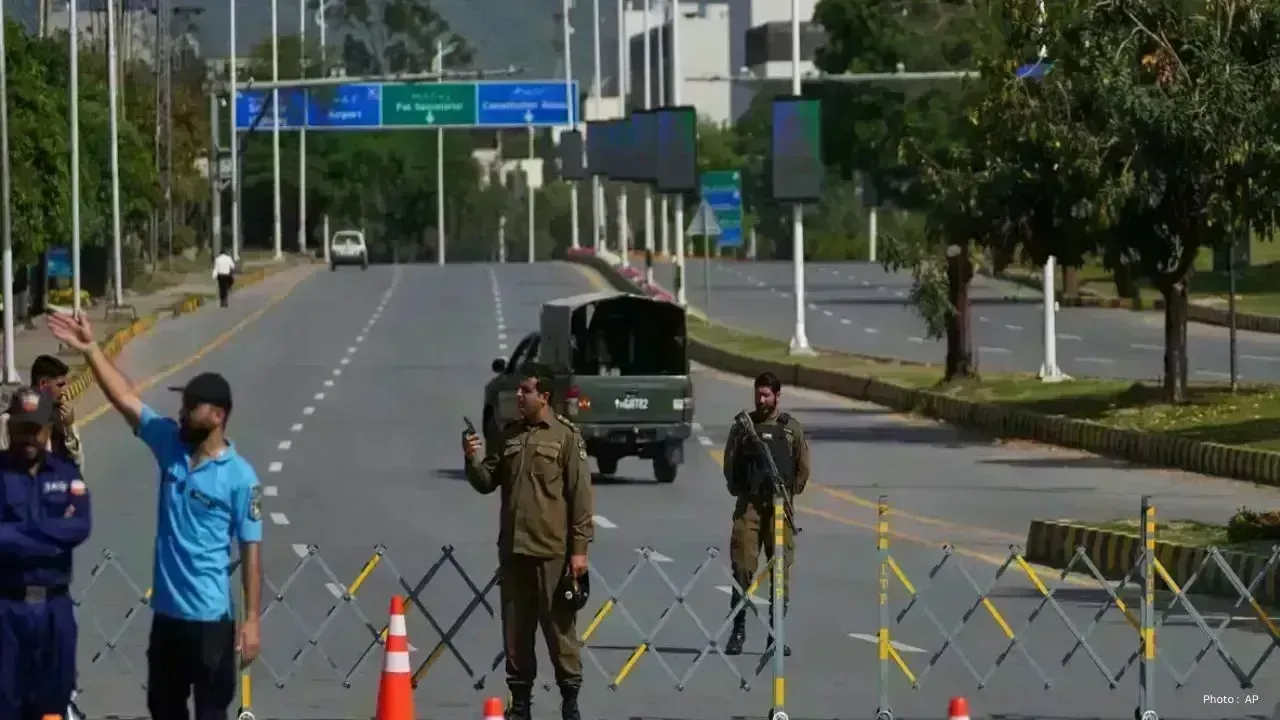
The government in Islamabad has mobilized its resources for the high-stakes discussions, implementing heightened security measures as they prepare for what could be defining talks. The United States has expressed its commitment to sending delegates, while Iran deliberates on its participation.
The urgency of the situation cannot be overstated; the cessation of hostilities has provided a brief respite from violence, yet it has not addressed the underlying rifts. Without an agreement, there's a real risk of renewed conflict.
Trust remains a significant hurdle in these negotiations. The U.S. aims to curb Iran's nuclear ambitions, whereas Iran is pushing for an end to economic sanctions and enhanced trading opportunities. These conflicting priorities have rendered progress painstakingly slow.
Recent developments have exacerbated existing tensions. Actions during the ceasefire have raised alarm on both fronts, complicating the dialogue. Pressing rhetoric from leaders intensifies the stakes, with threats of military action looming should negotiations falter.
Pakistan's role is pivotal; as a nation maintaining relations with both parties, it seeks to position itself as a neutral facilitator. Hosting these talks spotlights Pakistan's efforts to foster regional peace and stability.
The repercussions of this conflict reverberate worldwide, primarily regarding the Strait of Hormuz, a vital corridor for oil shipments. Interruptions in this area could have dire implications for global energy markets, making the discussions critical beyond regional considerations.
For those living in the conflict zones, the stakes are incredibly high. Prolonged hostilities could result in numerous casualties, infrastructure devastation, and economic turmoil. There is a collective hope that the peace talks in Islamabad will pave the way for de-escalation and long-lasting stability.
Observers emphasize that reaching a successful resolution will hinge on both sides exhibiting readiness to compromise. Without such flexibility, arriving at a consensus by the ceasefire’s end could prove elusive. The upcoming days are crucial in determining the fate of these diplomatic efforts.
As the deadline looms, all eyes are on Iran's decisions regarding participation in the talks and the potential for finding common ground. The results will significantly influence the region's future and global equilibrium.










PM Modi Pays Tribute to Mahatma Gandhi, Urges People to Support Khadi
PM Modi pays tribute to Mahatma Gandhi on Gandhi Jayanti and urges citizens to support Khadi and the

Amazon Seeks to Offload $8 Billion in Nvidia Chips to Investors
Amazon plans to move $8 billion in Nvidia chips to investors, using a new financing model to strengt

Samsung Raises Galaxy S26 Prices as Memory Chip Costs Rise
Samsung raises Galaxy S26 prices in South Korea as rising memory chip costs put pressure on smartpho

Lewis Hamilton Calls Singapore Grand Prix One of F1's Toughest Races
Lewis Hamilton discusses the demanding Singapore Grand Prix and brings Plus44 and Almave to Singapor

Denmark's Pandora Opens World's Largest Jewellery Factory in Vietnam
Pandora opens its largest jewellery factory in Vietnam, expanding global production, strengthening s

Gautam Gambhir Questions Batting-Friendly Pitches After India's Record ODI Chase
Gautam Gambhir questions batting-friendly ODI pitches after India’s record chase, calling for a bett

