
You have not yet added any article to your bookmarks!
Join 10k+ people to get notified about new posts, news and tips.
Do not worry we don't spam!
Post by : Anis Farhan
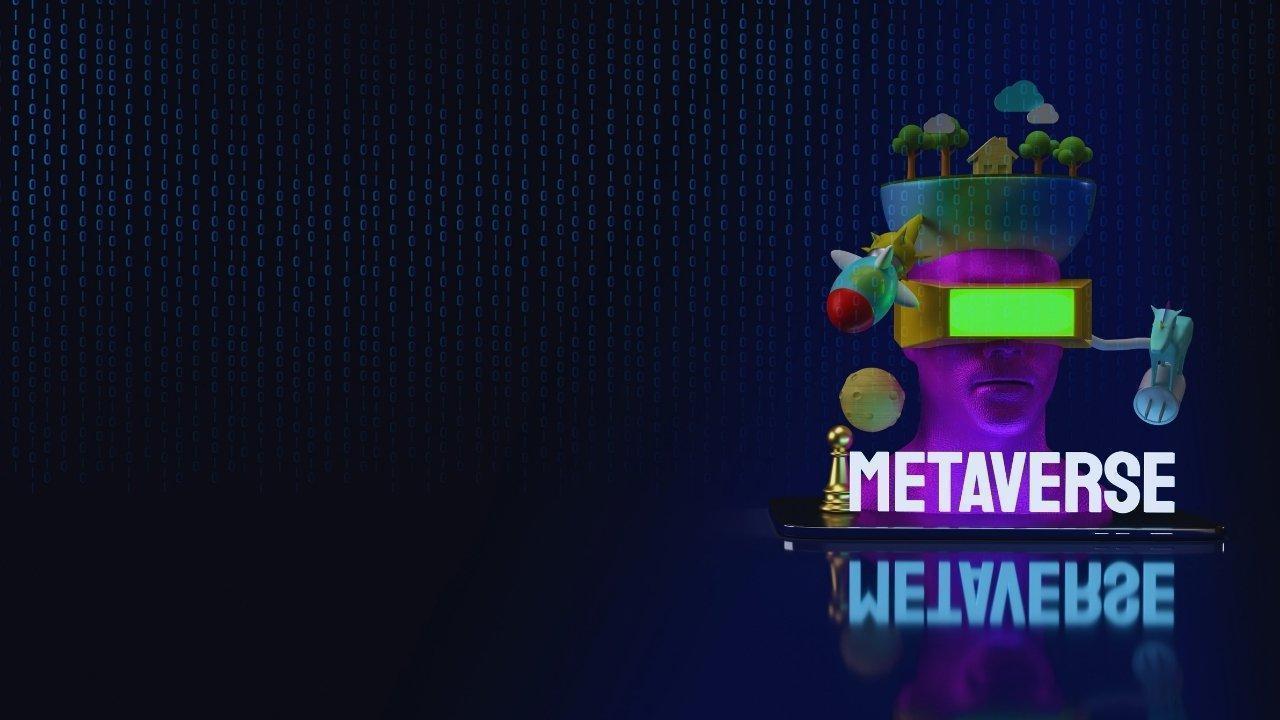
The advent of the metaverse marks a significant milestone in the evolution of digital technology, offering immersive virtual environments where users can interact, socialize, and conduct business. As these virtual realms become increasingly integrated into daily life, they present a host of legal, ethical, and psychological challenges that society must address.
The global nature of the metaverse complicates the application of traditional legal frameworks. Users from different countries can interact in shared virtual spaces, raising questions about which laws govern activities within these environments. The lack of clear jurisdictional boundaries makes it difficult to address issues such as cybercrime, intellectual property theft, and harassment effectively.
In the metaverse, users can create and trade digital assets, including virtual real estate, art, and merchandise. This proliferation of digital creations poses challenges for intellectual property laws, which were designed for physical goods. Determining ownership and protecting creators' rights in virtual spaces require the adaptation of existing legal structures to accommodate the unique characteristics of digital assets.
The metaverse collects vast amounts of personal data, including biometric information, behavioral patterns, and interaction histories. This data is invaluable for personalizing user experiences but also raises significant privacy concerns. Ensuring robust data protection measures and transparent consent processes is crucial to safeguarding users' privacy in virtual environments.
In the metaverse, users often create avatars that represent them in virtual spaces. These digital identities can be manipulated to present idealized versions of oneself, leading to questions about authenticity and self-representation. The ethical implications of crafting digital personas that may differ significantly from one's real-world identity are a topic of ongoing debate.
The immersive nature of the metaverse can make virtual interactions feel as real as those in the physical world. Instances of harassment, including verbal abuse and unwanted physical interactions, have been reported within virtual environments. Establishing clear consent protocols and effective reporting mechanisms is essential to create safe and respectful virtual spaces for all users.
Ensuring that the metaverse is accessible to individuals with disabilities is an ethical imperative. Virtual environments must be designed with inclusivity in mind, providing accommodations such as voice commands, screen readers, and customizable interfaces to support diverse user needs.
Extended exposure to immersive virtual environments can blur the lines between the digital and physical worlds. Users may experience altered perceptions of reality, leading to difficulties in distinguishing between virtual experiences and real-life events. This phenomenon, known as "virtual reality sickness," can result in symptoms such as dizziness, nausea, and disorientation.
While the metaverse offers opportunities for social interaction, there is concern that it may contribute to social isolation. Users may prefer virtual interactions over face-to-face engagements, leading to weakened real-world social bonds. Additionally, the addictive nature of immersive virtual experiences can foster dependency, particularly among vulnerable individuals.
The psychological impact of the metaverse on mental health is a growing area of concern. Prolonged immersion in virtual environments can exacerbate issues such as anxiety, depression, and body image disorders. The pressure to maintain idealized digital personas can lead to stress and a diminished sense of self-worth.
As the metaverse continues to develop, it is imperative to balance technological innovation with ethical responsibility. Stakeholders, including developers, policymakers, and users, must collaborate to establish guidelines and regulations that promote safe, inclusive, and respectful virtual environments.
The metaverse represents a new frontier in digital interaction, offering unprecedented opportunities for creativity, connection, and commerce. However, as users navigate these virtual spaces, they must be mindful of the legal, ethical, and psychological implications that accompany this digital evolution. By proactively addressing these challenges, society can ensure that the metaverse serves as a positive and enriching extension of our reality.
This article provides an analysis of the legal, ethical, and psychological implications of the metaverse based on current research and expert opinions. The information presented is intended for informational purposes only and does not constitute legal, psychological, or professional advice. Readers are encouraged to consult relevant professionals for guidance on specific issues related to virtual environments.










PM Modi Pays Tribute to Mahatma Gandhi, Urges People to Support Khadi
PM Modi pays tribute to Mahatma Gandhi on Gandhi Jayanti and urges citizens to support Khadi and the

Amazon Seeks to Offload $8 Billion in Nvidia Chips to Investors
Amazon plans to move $8 billion in Nvidia chips to investors, using a new financing model to strengt

Samsung Raises Galaxy S26 Prices as Memory Chip Costs Rise
Samsung raises Galaxy S26 prices in South Korea as rising memory chip costs put pressure on smartpho

Lewis Hamilton Calls Singapore Grand Prix One of F1's Toughest Races
Lewis Hamilton discusses the demanding Singapore Grand Prix and brings Plus44 and Almave to Singapor

Denmark's Pandora Opens World's Largest Jewellery Factory in Vietnam
Pandora opens its largest jewellery factory in Vietnam, expanding global production, strengthening s

Gautam Gambhir Questions Batting-Friendly Pitches After India's Record ODI Chase
Gautam Gambhir questions batting-friendly ODI pitches after India’s record chase, calling for a bett

