
You have not yet added any article to your bookmarks!
Join 10k+ people to get notified about new posts, news and tips.
Do not worry we don't spam!
Post by : Rameen Ariff
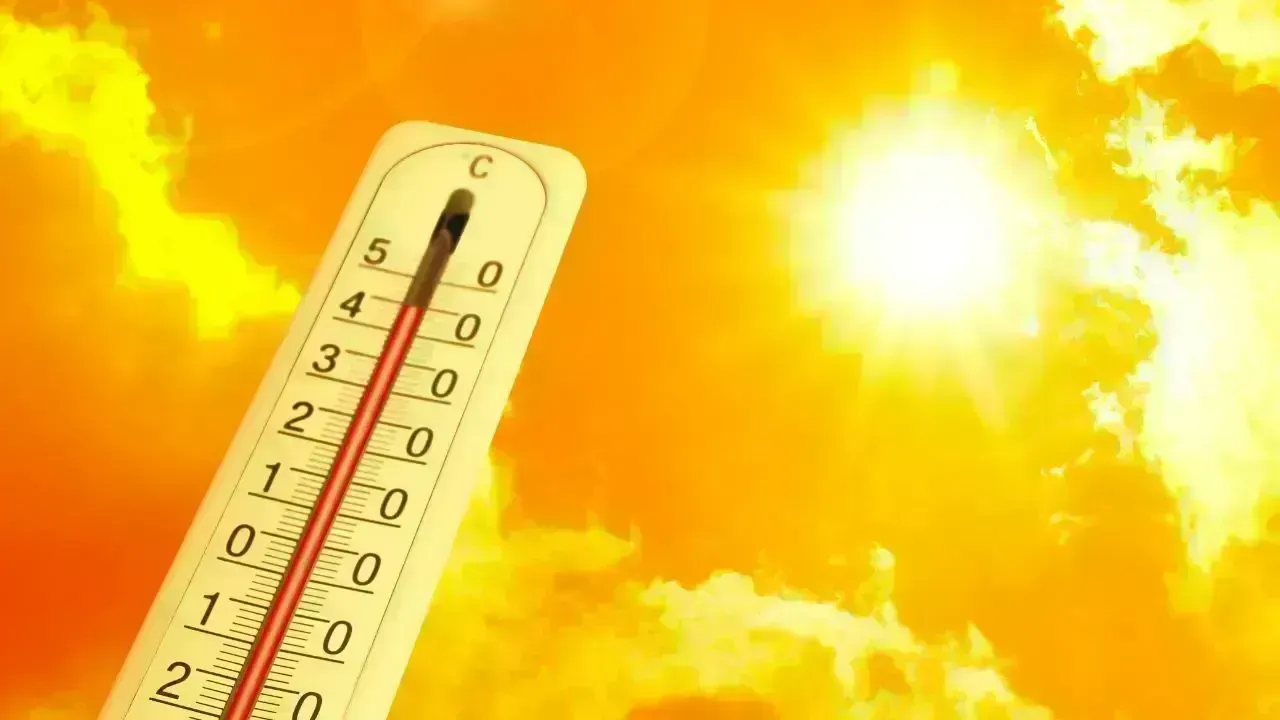
The latest findings from the World Meteorological Organization in collaboration with the UK Met Office reveal that global temperatures are predicted to hover near unprecedented highs over the next five years, with the Arctic experiencing accelerated warming compared to the rest of the planet.
The analysis forecasts that from 2026 to 2030, annual global average temperatures may range from 1.3°C to 1.9°C above pre-industrial levels recorded between 1850 and 1900.
According to Melissa Seabrook, a research scientist at the UK Met Office, there is compelling evidence that the Earth is consistently warming and that global temperatures are on a steady rise.
This report highlights that it is very likely one of the years from 2026 to 2030 will temporarily surpass the 1.5°C threshold established under the Paris Agreement.
Under the Paris Agreement, countries committed to limiting long-term global warming to 1.5°C above pre-industrial levels to mitigate the risks of hazardous climate impacts.
Experts clarified that if one year exceeds the 1.5°C benchmark, it does not signify a failure of the Paris Agreement, as this accord is reliant on long-term temperature averages assessed over roughly two decades. However, they caution that the world is edging closer to routinely surpassing this level.
Predictions from the report also suggest that one of the upcoming five years might eclipse 2024, which currently stands as the hottest year ever documented globally.
The Arctic is expected to face the most significant warming, with winter temperatures in the region likely to rise more than three-and-a-half times faster than the global mean, anticipated to reach about 2.8°C above the average from 1991 to 2020.
Researchers cautioned that Arctic sea ice will likely continue to diminish in regions such as the Barents Sea, Bering Sea, and the Sea of Okhotsk throughout March in the coming years.
Experts assert that the rapid warming in the Arctic could disrupt global weather patterns and elevate the likelihood of extreme weather events, particularly in northern areas worldwide.
The report also predicts that northern Europe, Alaska, Siberia, and the Sahel region will experience wetter conditions in the coming years, while the Amazon region may face drier weather.
Furthermore, scientists foresee a powerful El Niño weather phenomenon emerging later this year, potentially lasting into 2027. El Niño, triggered by elevated Pacific Ocean temperatures, often results in increased global temperatures and heightened extreme weather occurrences worldwide.










PM Modi Pays Tribute to Mahatma Gandhi, Urges People to Support Khadi
PM Modi pays tribute to Mahatma Gandhi on Gandhi Jayanti and urges citizens to support Khadi and the

Amazon Seeks to Offload $8 Billion in Nvidia Chips to Investors
Amazon plans to move $8 billion in Nvidia chips to investors, using a new financing model to strengt

Samsung Raises Galaxy S26 Prices as Memory Chip Costs Rise
Samsung raises Galaxy S26 prices in South Korea as rising memory chip costs put pressure on smartpho

Lewis Hamilton Calls Singapore Grand Prix One of F1's Toughest Races
Lewis Hamilton discusses the demanding Singapore Grand Prix and brings Plus44 and Almave to Singapor

Denmark's Pandora Opens World's Largest Jewellery Factory in Vietnam
Pandora opens its largest jewellery factory in Vietnam, expanding global production, strengthening s

Gautam Gambhir Questions Batting-Friendly Pitches After India's Record ODI Chase
Gautam Gambhir questions batting-friendly ODI pitches after India’s record chase, calling for a bett

