You have not yet added any article to your bookmarks!
Join 10k+ people to get notified about new posts, news and tips.
Do not worry we don't spam!

Post by : Badri Ariffin
Malaysia's economy recorded stronger-than-expected growth in the second quarter (Q2) of 2026, supported by solid domestic demand, a strong services sector, rising electronics exports, and a rebound in mining activity. The latest figures suggest the country has remained resilient despite disruptions linked to the conflict in the Middle East.
According to advance estimates released by Malaysia's statistics department, the country's gross domestic product (GDP) increased by 5.8% in the three months ending June compared with the same period last year. The result was higher than the 5.2% median forecast in a Bloomberg survey and improved from the 5.4% growth recorded in the first quarter of 2026.
The statistics department said the services sector remained the main driver of economic growth during the second quarter of 2026. The mining sector also showed a strong recovery, expanding 10.2% during the quarter.
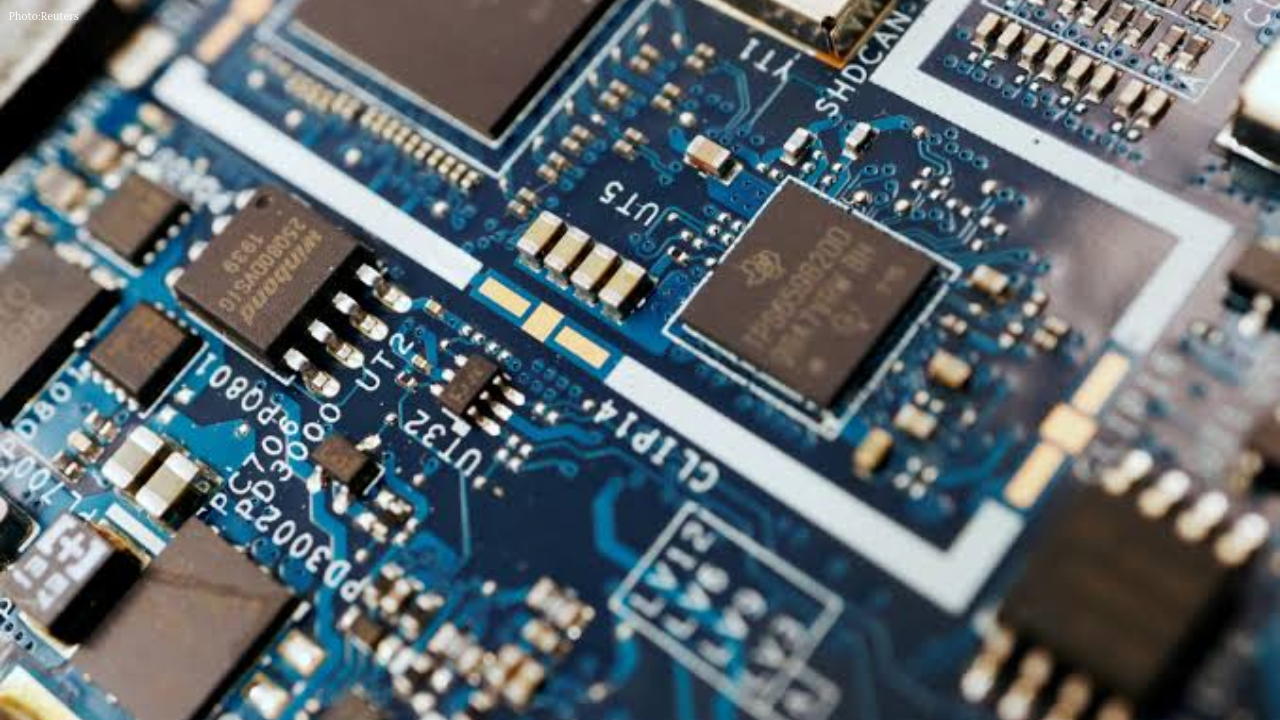
Strong domestic demand, together with increased exports of electronics and semiconductors, helped offset the impact of the conflict in the Middle East. Investment related to the semiconductor and artificial intelligence industries also continued to support economic activity during the quarter.
Malaysia's economy has benefited from rising investment in semiconductor manufacturing and artificial intelligence projects. These sectors have helped maintain growth even as global economic conditions have become more uncertain.
The continued strength in electronics exports also contributed to the country's better-than-expected economic performance.
Inflation eased to 1.9% in June, slightly lower than analysts' expectations that it would remain at 2%, the same level recorded in May.
Malaysia has largely kept consumer price increases under control through fuel subsidies, which have helped reduce the impact of higher global crude oil prices on consumers.
In a separate statement, the statistics department said Malaysia's economy expanded 5.6% during the first half of 2026, compared with 4.5% during the same period in 2025.
The latest data add to signs that several Southeast Asian economies have remained resilient despite the effects of the conflict in the Middle East.
Singapore and Vietnam also reported stronger-than-expected GDP growth for the second quarter, indicating continued resilience across the region.
However, uncertainty remains in the global economy, with China's economy expanding at a slower pace than expected during the last quarter.
#Business News #Malaysia News #Business & economy #Global Updates









APEC Members Emphasise Safe and Responsible Use of Artificial Intelligence
APEC members discuss responsible AI use, digital innovation and data governance as China and the US

Union of European Clubs Challenge UEFA and EFC Over EU Competition Rules
UEC files an EU competition complaint against UEFA and EFC, challenging club representation, governa

Mohammed Shami Retires From Test Cricket, Eyes White-Ball Career
Mohammed Shami retires from Test cricket after 13 years, with 229 wickets. He will continue playing

Singapore Warns Users About Privacy and Security Risks of AI Agents
Singapore warns users about AI agent security risks, data privacy, online scams and unauthorised acc

Chris Lynn Completes One-Month Ban After Positive Cocaine Test
Australian cricketer Chris Lynn completes a one-month ban after a positive cocaine test during the T

Djokovic Eyes Strong Season Finish as Health Improves Ahead of Paris Masters
Novak Djokovic reports improved health and performance as he targets a strong Paris Masters finish a