You have not yet added any article to your bookmarks!
Join 10k+ people to get notified about new posts, news and tips.
Do not worry we don't spam!
Post by : Anis Farhan
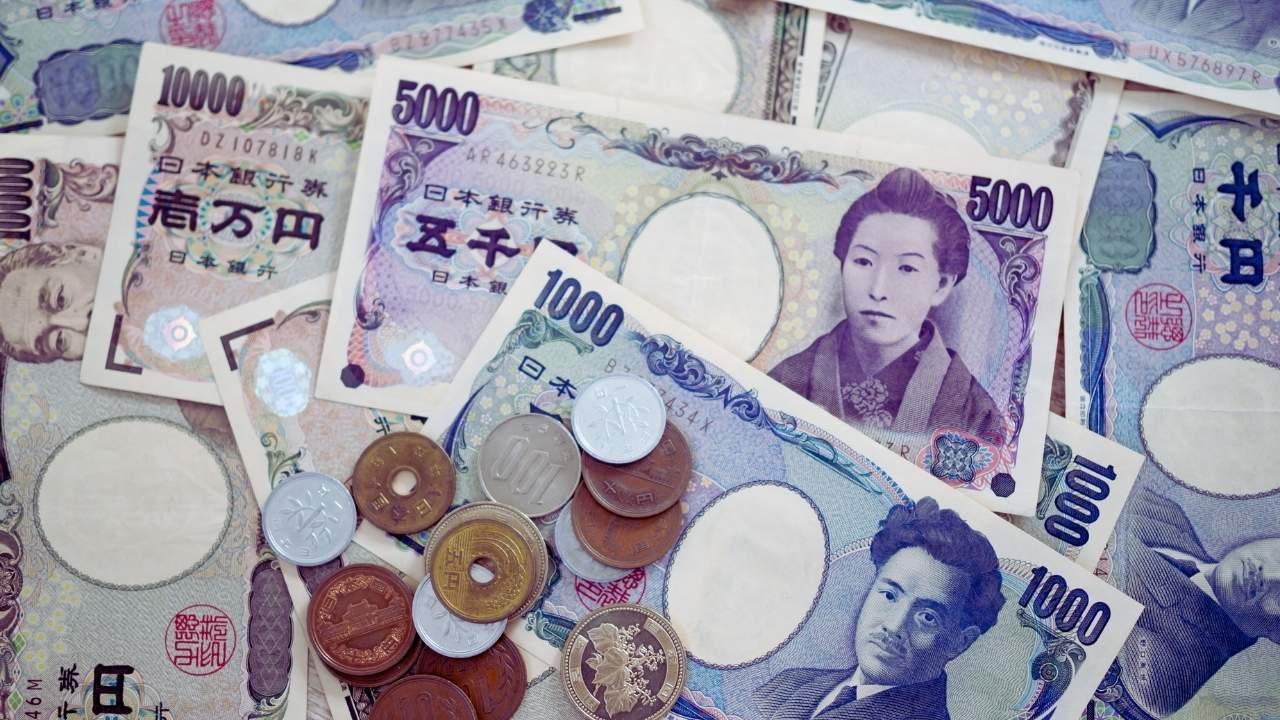
Japan stands at a decisive moment in its economic history. The country, long recognized for technological innovation and industrial might, now grapples with a rapidly aging population and a persistently weak yen. These two forces are intertwined, influencing domestic growth, foreign investment, and the everyday lives of Japanese citizens. While the weak yen brings benefits for exporters, it simultaneously drives up costs for imports, particularly energy and food, straining household budgets. At the same time, demographic decline has left labor shortages across multiple sectors, creating structural weaknesses in the economy. The government and businesses are under mounting pressure to find sustainable solutions that balance short-term resilience with long-term stability.
Japan is home to one of the world’s oldest populations, with nearly 30% of its citizens aged 65 or older. This demographic reality is reshaping the nation’s workforce, pension system, and healthcare infrastructure. Labor shortages are acute in manufacturing, construction, and caregiving sectors, pushing companies to either automate or recruit foreign workers.
The aging trend also fuels a broader fiscal concern: ballooning healthcare and social security costs. As more citizens retire, fewer remain in the workforce to contribute to tax revenues, creating an imbalance between expenditure and income. Policymakers are forced to either increase taxation, raise the retirement age, or encourage immigration—each carrying social and political implications.
The yen’s prolonged weakness has stirred mixed reactions across the economy. Export-oriented corporations, especially in automotive and electronics, enjoy increased global competitiveness. However, for small and medium enterprises reliant on imported raw materials, the weak yen has been punishing. Household consumption has also suffered as the cost of imported essentials such as energy, fuel, and food has surged.
The Bank of Japan’s ultra-loose monetary policy, aimed at stimulating inflation and growth, has been central to the yen’s depreciation. While this strategy boosts exports, it simultaneously increases the burden on consumers and amplifies income inequality. Tokyo faces the challenge of striking a balance between supporting corporate competitiveness and protecting households from inflationary pressures.
The Japanese government is adopting a range of measures to manage these economic headwinds. Fiscal spending has been directed toward energy subsidies, wage support, and digital transformation. Structural reforms, such as encouraging female workforce participation and incentivizing foreign workers, are also underway.
At the same time, Japan is leveraging its technological edge to address demographic challenges. Robotics and AI are increasingly deployed in healthcare, logistics, and retail, partially offsetting labor shortages. Yet, reliance on technology alone cannot resolve the deep-rooted demographic imbalance, highlighting the need for a multi-pronged approach.
Businesses across Japan are reconfiguring their models to survive in this environment. Exporters are capitalizing on the weak yen, expanding their global footprint, and boosting overseas revenue. Retailers, however, face the daunting task of managing rising import costs while keeping prices affordable for consumers.
Japanese corporations are also pursuing overseas investments to hedge against domestic stagnation. By expanding into emerging markets in Asia and Africa, companies are diversifying risks while maintaining global relevance. Simultaneously, domestic firms are investing in automation to cope with labor shortages and keep operations sustainable.
The weak yen has implications beyond Japan’s borders. While it strengthens Japan’s competitiveness in global trade, it also influences regional supply chains. Neighboring economies such as South Korea and China watch closely, as Tokyo’s pricing advantage affects their export competitiveness.
Japan’s participation in multilateral trade frameworks like the Comprehensive and Progressive Agreement for Trans-Pacific Partnership (CPTPP) and its deepening ties with ASEAN partners highlight its intent to remain a central player in regional commerce. However, its dependence on imported energy, particularly from the Middle East, makes currency volatility a continuing concern for national security and stability.
For ordinary Japanese citizens, the intersection of demographic decline and a weak yen manifests in daily struggles. Rising grocery bills, energy costs, and limited wage growth erode purchasing power. At the same time, family structures are shifting as younger generations face greater responsibility for elderly care.
The cultural and social fabric of Japan is evolving as immigration increases and automation becomes more integrated into daily life. These changes, while necessary, raise questions about identity, tradition, and the balance between modernity and cultural preservation.
Looking forward, Japan’s ability to adapt will hinge on how effectively it can manage these dual pressures. A stronger emphasis on inclusive growth, fiscal discipline, and workforce diversification will be critical. Currency stabilization, though challenging, may require a gradual recalibration of monetary policy to protect households without undermining export competitiveness.
Ultimately, Japan’s resilience lies in its capacity to innovate and adapt. The country has historically transformed adversity into opportunity, from post-war reconstruction to becoming a technological powerhouse. Today’s challenges may once again drive a new era of transformation, though the road ahead will demand difficult choices and collective resolve.
This article is intended for informational purposes only and reflects ongoing developments in Japan’s economic landscape. Newsible Asia does not provide financial or investment advice. Readers are encouraged to seek professional guidance for decisions based on economic or market trends.









Jordan Burroughs Returns to Wrestling with 2028 Olympic Dream
Jordan Burroughs returns to wrestling with Real American Freestyle as the Olympic champion eyes a po

Lamborghini Catches Fire on Singapore's ECP, Causing Heavy Traffic
A Lamborghini caught fire on Singapore's ECP, causing heavy traffic and bus delays. No injuries were

Bangkok Airport Duty-Free Area Flooded by Pipe Burst
A burst water pipe flooded the duty-free shopping area at Bangkok's Suvarnabhumi Airport on July 16,

Nine Monks Killed in Thailand Pickup Truck Tragedy
An 11-year-old boy driving a pickup truck crashed into monks during a pilgrimage in northeastern Tha
Anwar Congratulates Xi on CPC's 105th Anniversary
Malaysia reaffirms strong ties with China as PM Anwar Ibrahim sends a congratulatory letter to Presi

Thai Agriculture Team Reviews 2026 Farm Development Plans
Agriculture Ministry officials inspected livestock and organic rice projects in Nakhon Sawan to moni