
You have not yet added any article to your bookmarks!
Join 10k+ people to get notified about new posts, news and tips.
Do not worry we don't spam!
Post by : Shakul
The government of Japan is preparing a provisional budget as delays in passing the fiscal 2026 budget raise concerns over administrative continuity, reflecting shifting economic and political priorities.
Prime Minister Sanae Takaichi and Finance Minister Satsuki Katayama have initiated the drafting of a stopgap budget to ensure government operations continue beyond the fiscal year-end if the main budget fails to clear parliament in time.
The move comes amid rising economic pressures triggered by global instability, particularly the impact of the ongoing Iran conflict on energy markets. Japan has recently introduced subsidies to cap gasoline prices at around ¥170 per liter after rates surged to record highs above ¥190.
Unlike regular budgets, the provisional plan is designed to cover only essential government functions for a limited period—from April 1 to April 11—until the main budget can take effect. Under Japan’s constitutional rules, the lower house-approved budget automatically becomes law if the upper house does not act within 30 days.
Opposition parties, including the Democratic Party for the People led by Yuichiro Tamaki, have expressed support for the provisional budget, citing the need to respond quickly to rising energy costs and economic uncertainty.
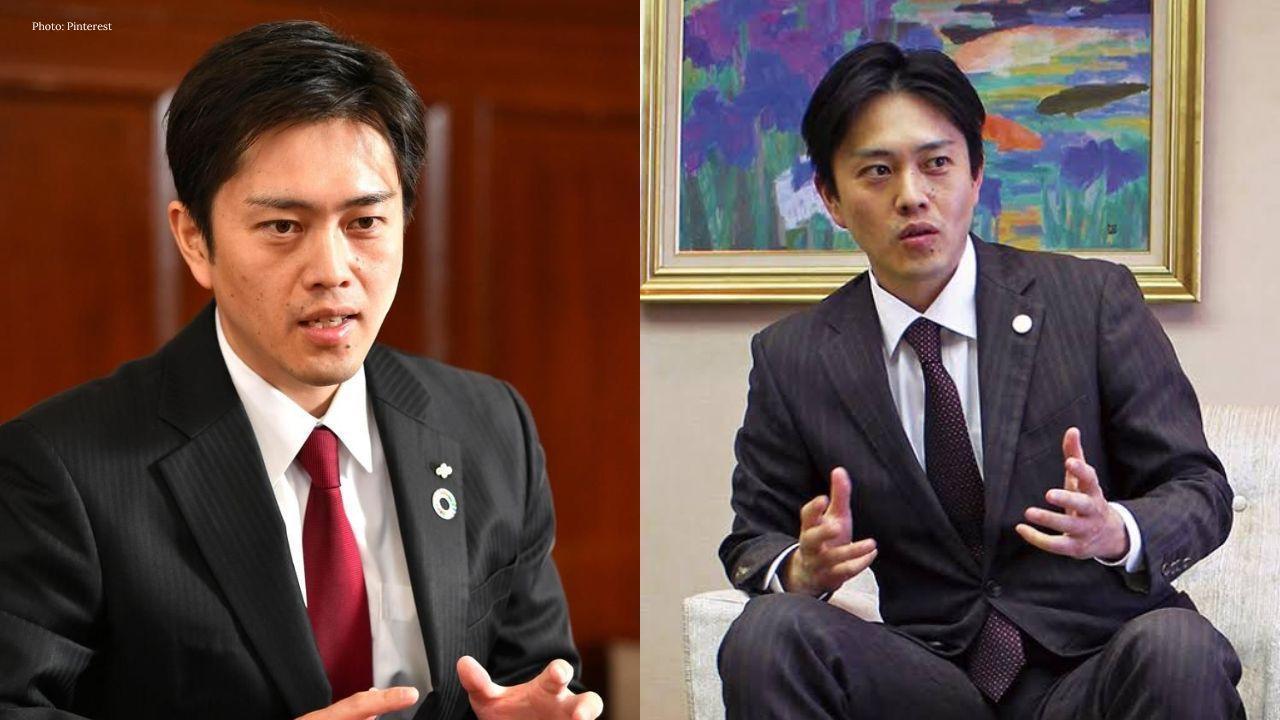
Even coalition partners and regional parties, such as those led by Hirofumi Yoshimura, have backed the measure, emphasizing the importance of avoiding a budgetary vacuum during a period of global instability.
Officials have clarified that the provisional budget will strictly cover “minimum necessary” expenditures and will not include new policy initiatives. The government also plans to rely on existing reserve funds, estimated at around ¥1 trillion, to manage immediate financial needs.
While critics initially accused the administration of poor fiscal management, the evolving global situation has softened opposition, shifting the debate toward economic resilience and crisis response.
The development highlights how external geopolitical factors are influencing domestic policy decisions, with Japan balancing fiscal discipline against the need for swift economic intervention.
#world news #Global News #Business News #Asia News #Politics










PM Modi Pays Tribute to Mahatma Gandhi, Urges People to Support Khadi
PM Modi pays tribute to Mahatma Gandhi on Gandhi Jayanti and urges citizens to support Khadi and the

Amazon Seeks to Offload $8 Billion in Nvidia Chips to Investors
Amazon plans to move $8 billion in Nvidia chips to investors, using a new financing model to strengt

Samsung Raises Galaxy S26 Prices as Memory Chip Costs Rise
Samsung raises Galaxy S26 prices in South Korea as rising memory chip costs put pressure on smartpho

Lewis Hamilton Calls Singapore Grand Prix One of F1's Toughest Races
Lewis Hamilton discusses the demanding Singapore Grand Prix and brings Plus44 and Almave to Singapor

Denmark's Pandora Opens World's Largest Jewellery Factory in Vietnam
Pandora opens its largest jewellery factory in Vietnam, expanding global production, strengthening s

Gautam Gambhir Questions Batting-Friendly Pitches After India's Record ODI Chase
Gautam Gambhir questions batting-friendly ODI pitches after India’s record chase, calling for a bett

