You have not yet added any article to your bookmarks!
Join 10k+ people to get notified about new posts, news and tips.
Do not worry we don't spam!
Post by : Saif Rahman
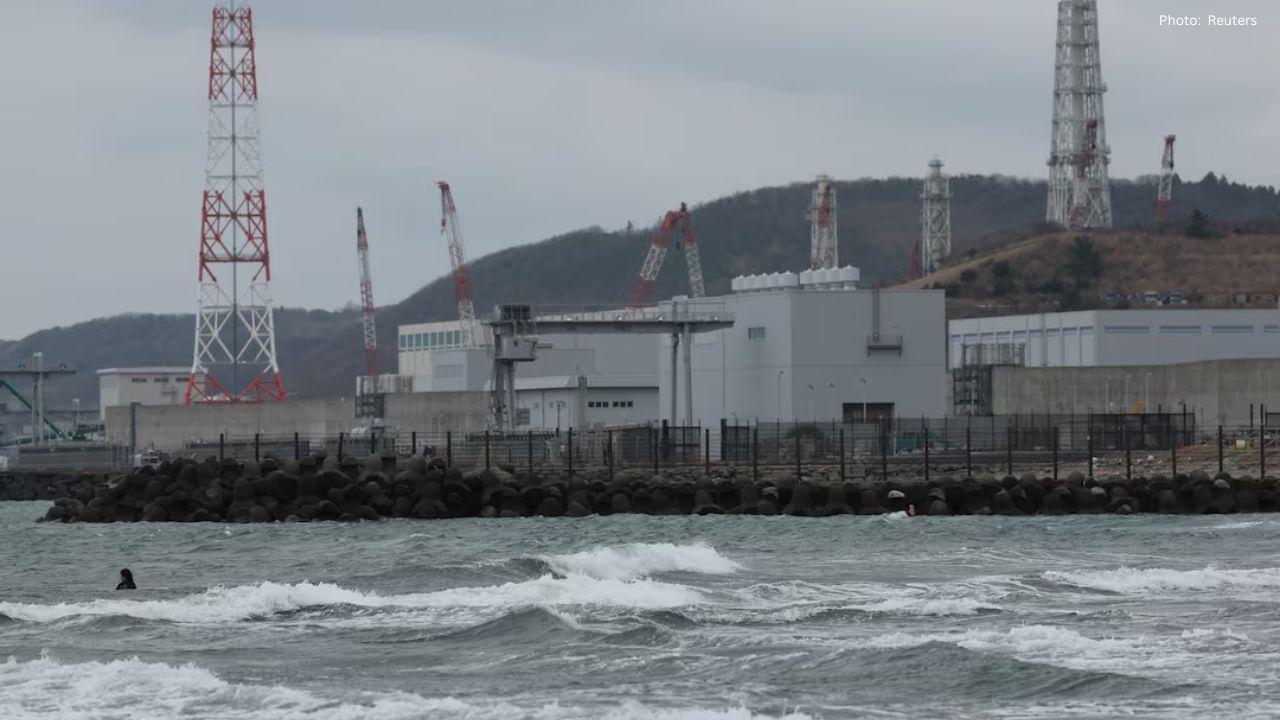
Japan is poised to make a significant return to nuclear energy, nearly 15 years after the catastrophic Fukushima disaster redefined its energy landscape. On Monday, the Niigata regional assembly sanctioned a move that facilitates the revival of the Kashiwazaki-Kariwa nuclear power plant, the globe's largest nuclear site.
This facility, situated on Japan’s northwest coast, was decommissioned post the 2011 earthquake and tsunami which spurred a meltdown at the Fukushima Daiichi nuclear facility. The incident compelled Japan to deactivate all its reactors and reevaluate its energy strategy. For many, the memory of Fukushima is still a poignant reminder of fear, evacuation, and enduring consequences.
Since then, Japan has gradually reinstated some reactors, out of the 54 that were taken offline after Fukushima, only 14 have resumed operations. The Kashiwazaki-Kariwa plant will be the first facility operated by Tokyo Electric Power Company (TEPCO) to come back online since the disaster. TEPCO was also responsible for managing the Fukushima facility.
The authorization followed a vote of confidence for Governor Hideyo Hanazumi by the Niigata assembly, who has shown support for the plant's restart. This vote was perceived as the final political endorsement required before operations can recommence. Media reports in Japan indicate TEPCO could restart one of the plant’s seven reactors by January.
Proponents argue that the restart is crucial for Japan's energy security, which is heavily reliant on imported fossil fuels like gas and coal that constitute about two-thirds of its electricity supply. These imports are costly and sensitive to fluctuations in global markets. Reactivating the plant could provide approximately 2% of the electricity consumed in the Tokyo region, potentially lowering Japan's fuel expenses.
Japan’s current prime minister has advocated for nuclear restarts to ensure consistent energy supplies and achieve climate objectives. The government aims to escalate the proportion of nuclear power in the national energy portfolio to 20% by 2040. Officials project an increase in electricity demand driven by emerging technologies, including expansive data centers supporting artificial intelligence.
Nonetheless, significant public unease lingers. Approximately 300 individuals protested outside the Niigata assembly building against the decision, many brandishing placards with the slogans “No Nukes” and “Never Forget Fukushima.” Among the protesters were older residents and survivors from the Fukushima disaster, anxious about potential history repeating itself.
One protester, Ayako Oga, relocated to Niigata after fleeing her residence near Fukushima in 2011. She described the long-lasting trauma from that experience and conveyed that for her, the reactivation of a major nuclear plant feels more like a step backward into danger than a move forward.
Reflective surveys indicate that a significant number of Niigata residents remain skeptical regarding the restart, with about 60% feeling conditions are not adequately safe, and nearly 70% voicing concerns over TEPCO’s capacity to manage the plant securely. In an effort to garner support, TEPCO has pledged substantial investments in the region over the next decade. That said, trust in TEPCO remains tenuous.
TEPCO has asserted its commitment to averting another nuclear accident and safeguarding local communities. Nevertheless, critics contend that no preparation can completely eliminate the risks affiliated with nuclear energy, particularly in a country susceptible to earthquakes like Japan.
Even Governor Hanazumi has displayed mixed sentiments; while he advocates for the restart presently, he aspires for Japan to ultimately depend on energy resources that do not invoke fear and anxiety among the populace.
The restart of Kashiwazaki-Kariwa signifies a pivotal moment in Japan’s energy discourse. It symbolizes a nation striving to harmonize safety, remembrance, and future accompaniments. The impact of this decision on Japan’s fortitude or public apprehension will unfold in the coming years.









PSG Coach Luis Enrique Urges Players to Step Outside Comfort Zone
PSG coach Luis Enrique says players must leave their comfort zone and keep improving as the club tar

China’s Tiangong Sets New 400m Record at Robot Olympics
China’s Tiangong robot sets a new 400m record at the Robot Olympics, beating a South African robot i

George Russell Wins Dutch GP Sprint, Boosts Mercedes Morale
George Russell wins the Dutch GP Sprint from pole as Mercedes teammate Kimi Antonelli extends his F1

Australia 50/3 After Bangladesh Bowled Out for 64 in Second Test
Australia reached 50/3 after Bangladesh were bowled out for 64 in the second Test, with Mitchell Sta

Jordan Burroughs Returns to Wrestling with 2028 Olympic Dream
Jordan Burroughs returns to wrestling with Real American Freestyle as the Olympic champion eyes a po

Lamborghini Catches Fire on Singapore's ECP, Causing Heavy Traffic
A Lamborghini caught fire on Singapore's ECP, causing heavy traffic and bus delays. No injuries were