
You have not yet added any article to your bookmarks!
Join 10k+ people to get notified about new posts, news and tips.
Do not worry we don't spam!

Post by : Saif Rahman
The extension of the ceasefire between Israel and Lebanon offers a flicker of hope in a region fraught with tension. This development follows weeks of conflict and anxiety, particularly as Iran indicates its readiness to continue dialogue with the United States, fostering optimism that diplomacy could mitigate further violence.
The decision to extend the truce came under increasing global calls to quell hostilities along the Israel-Lebanon frontier. Clashes involving Israeli forces and Hezbollah have resulted in significant humanitarian challenges, displacing many families and damaging several towns in southern Lebanon. Renewing the ceasefire for another 45 days is deemed a vital move towards achieving lasting stability.
Despite the ceasefire, the atmosphere remains tenuous. New reports of airstrikes and security measures underscore that peace remains elusive. Residents near the border endure ongoing anxiety as the potential for renewed conflict looms. World leaders are urging restraint to preserve this fragile calm.
Iran's involvement is pivotal in this ongoing crisis. As a key supporter of Hezbollah, Iran wields considerable influence over regional dynamics. Concurrently, Tehran has expressed a willingness to engage with the U.S. about nuclear and security matters, a dialogue crucial for regional stability, given the historical tensions between Washington and Tehran.
The U.S. is navigating a complex balance between military deterrence and diplomatic engagement. American officials aim to avert a broader conflict while compelling Iran to curtail its nuclear ambitions. Nevertheless, Iran seeks easing sanctions and more robust assurances prior to making substantial concessions, complicating negotiations.
The repercussions of conflict are profoundly felt by civilians. In Lebanon, families confront devastation and displacement, while those in Israel grapple with the fear of potential hostilities. Economic strains and escalating living costs further exacerbate the situation across the region.
The ceasefire's renewal does not signal the end of the crisis; however, it provides a moment for potential de-escalation. Sustained peace in the Middle East will necessitate dialogue, perseverance, and meaningful negotiations among all stakeholders.
The ensuing weeks are poised to be pivotal. Continued discussions among leaders could usher in a phase of stability, yet the resurgence of tensions could thrust the region into another perilous chapter of conflict and uncertainty.
#Global News #Global Updates #Middle East #Israel news #Israel war






APEC Members Emphasise Safe and Responsible Use of Artificial Intelligence
APEC members discuss responsible AI use, digital innovation and data governance as China and the US

Union of European Clubs Challenge UEFA and EFC Over EU Competition Rules
UEC files an EU competition complaint against UEFA and EFC, challenging club representation, governa

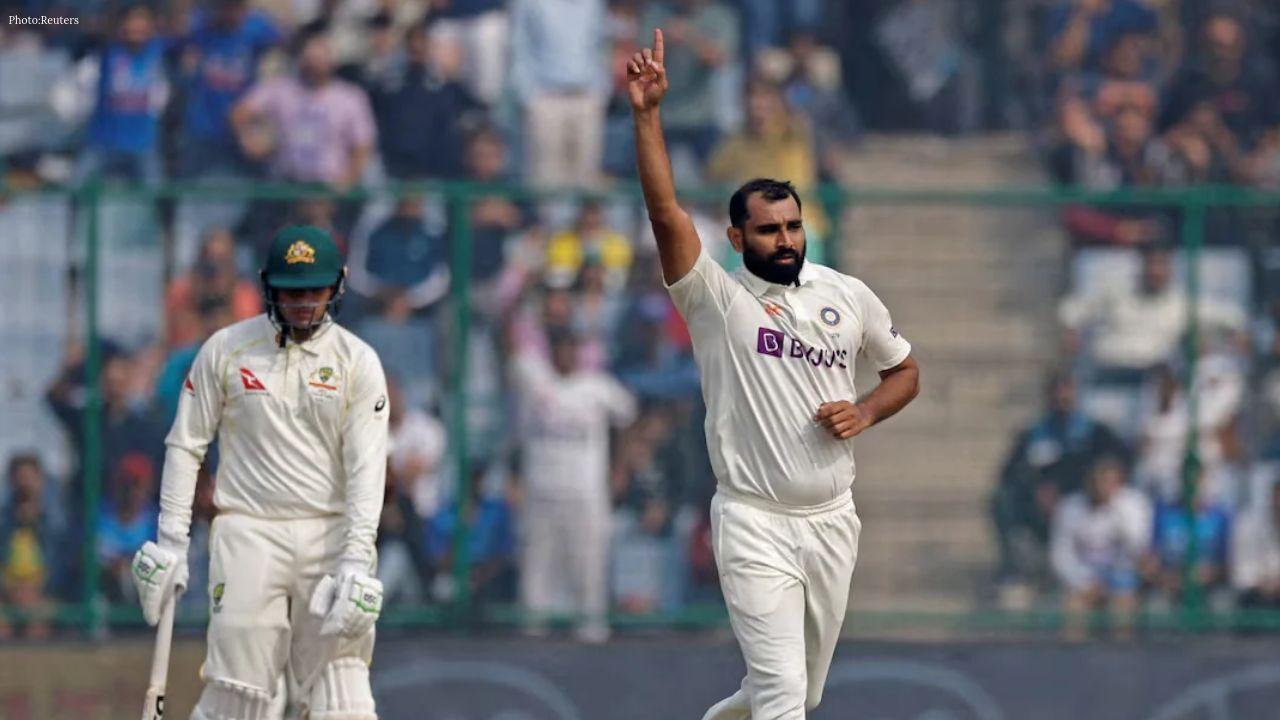
Mohammed Shami Retires From Test Cricket, Eyes White-Ball Career
Mohammed Shami retires from Test cricket after 13 years, with 229 wickets. He will continue playing

Singapore Warns Users About Privacy and Security Risks of AI Agents
Singapore warns users about AI agent security risks, data privacy, online scams and unauthorised acc

Chris Lynn Completes One-Month Ban After Positive Cocaine Test
Australian cricketer Chris Lynn completes a one-month ban after a positive cocaine test during the T

Djokovic Eyes Strong Season Finish as Health Improves Ahead of Paris Masters
Novak Djokovic reports improved health and performance as he targets a strong Paris Masters finish a