
You have not yet added any article to your bookmarks!
Join 10k+ people to get notified about new posts, news and tips.
Do not worry we don't spam!
Post by : Saif Rahman
A new report from US intelligence sheds light on the current state of Iran's nuclear ambitions. Contrary to expectations, Iran remains at the same developmental stage regarding nuclear weapons despite the recent military interventions. This outcome raises significant concerns about the effectiveness of military strategy in ensuring global safety.
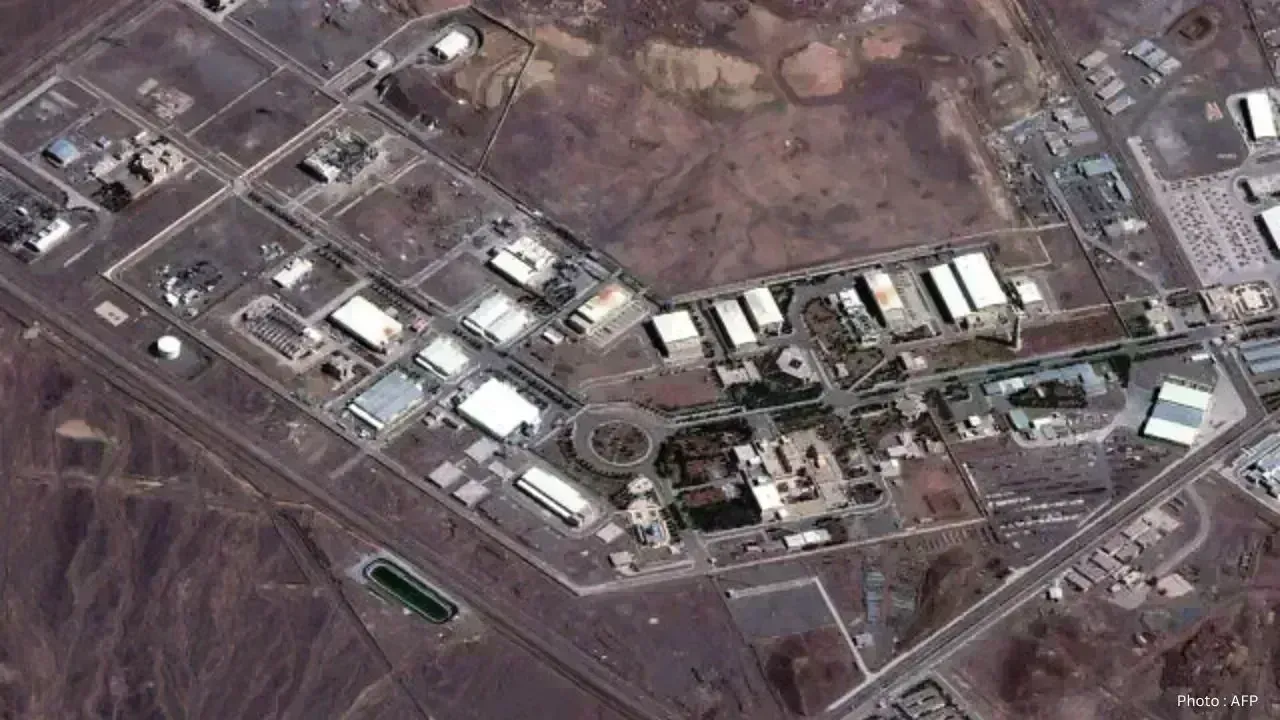
The ongoing conflict involving the United States and allied forces aimed to inhibit Iran's nuclear growth. Key nuclear facilities were targeted during this period, with many anticipating that these strikes would considerably slow Iran's advancements. However, the latest intelligence suggests that Iran's nuclear landscape remains relatively stable.
Officials assert that Iran possesses the same nuclear capabilities as in the past, including essential knowledge and resources that would enable it to construct a nuclear weapon should it decide to proceed. This situation has become a focal point in international discussions, often highlighted as the Iran nuclear program 2026.
A critical aspect contributing to this outcome is the storage of nuclear materials. Enriched uranium—the cornerstone of nuclear arms—is typically housed in secure, concealed facilities, many of which are situated deep underground. Consequently, even significant military actions may not effectively neutralize these sites.
Furthermore, it’s crucial to differentiate between capability and actual intent. Although Iran may have enough materials, there’s insufficient evidence to indicate active efforts in building a nuclear bomb at this stage, injecting further uncertainty into conversations among world leaders.
This scenario showcases the limitations of military intervention. While airstrikes may cause temporary disruptions, they can never fully erase technical knowledge or engineering prowess. Once a nation reaches an advanced stage of nuclear development, halting its progress is exceedingly complicated.
Simultaneously, rising tensions in the Middle East suggest that the conflict may have exacerbated, rather than alleviated, the situation. Concerns grow that military actions could hinder cooperation and complicate international monitoring of nuclear programs.
Additionally, discrepancies often arise between political narratives and intelligence assessments. While leaders might assert a reduced threat level, intelligence communities frequently offer a more measured and data-driven perspective. This gap can lead to public confusion and diminish trust.
Looking ahead, experts advocate for renewed diplomatic efforts. History shows that negotiations and treaties have effectively managed nuclear threats. Although not foolproof, they play an essential role in mitigating risks and fostering stability.
There is also concern that increased pressure might drive nations to adopt more secretive approaches or accelerate their nuclear development efforts. Instead of stifling progress, it may inadvertently catalyze more ambitious initiatives.
This ongoing issue remains a paramount global security threat. Terms like Iran nuclear program, US intelligence assessment, and Middle Eastern instability are currently trending as analysts strive to comprehend the implications of these findings.
The actions chosen by global leaders are crucial for determining future peace and stability. Whether through diplomatic channels or sustained pressure, the international community will be observing developments closely.
#Global News #Iran News #World Update #Middle East #Middle East Crisis #Iran War #Middle East Conflict










PM Modi Pays Tribute to Mahatma Gandhi, Urges People to Support Khadi
PM Modi pays tribute to Mahatma Gandhi on Gandhi Jayanti and urges citizens to support Khadi and the

Amazon Seeks to Offload $8 Billion in Nvidia Chips to Investors
Amazon plans to move $8 billion in Nvidia chips to investors, using a new financing model to strengt

Samsung Raises Galaxy S26 Prices as Memory Chip Costs Rise
Samsung raises Galaxy S26 prices in South Korea as rising memory chip costs put pressure on smartpho

Lewis Hamilton Calls Singapore Grand Prix One of F1's Toughest Races
Lewis Hamilton discusses the demanding Singapore Grand Prix and brings Plus44 and Almave to Singapor

Denmark's Pandora Opens World's Largest Jewellery Factory in Vietnam
Pandora opens its largest jewellery factory in Vietnam, expanding global production, strengthening s

Gautam Gambhir Questions Batting-Friendly Pitches After India's Record ODI Chase
Gautam Gambhir questions batting-friendly ODI pitches after India’s record chase, calling for a bett

