
You have not yet added any article to your bookmarks!
Join 10k+ people to get notified about new posts, news and tips.
Do not worry we don't spam!
Post by : Saif Rahman
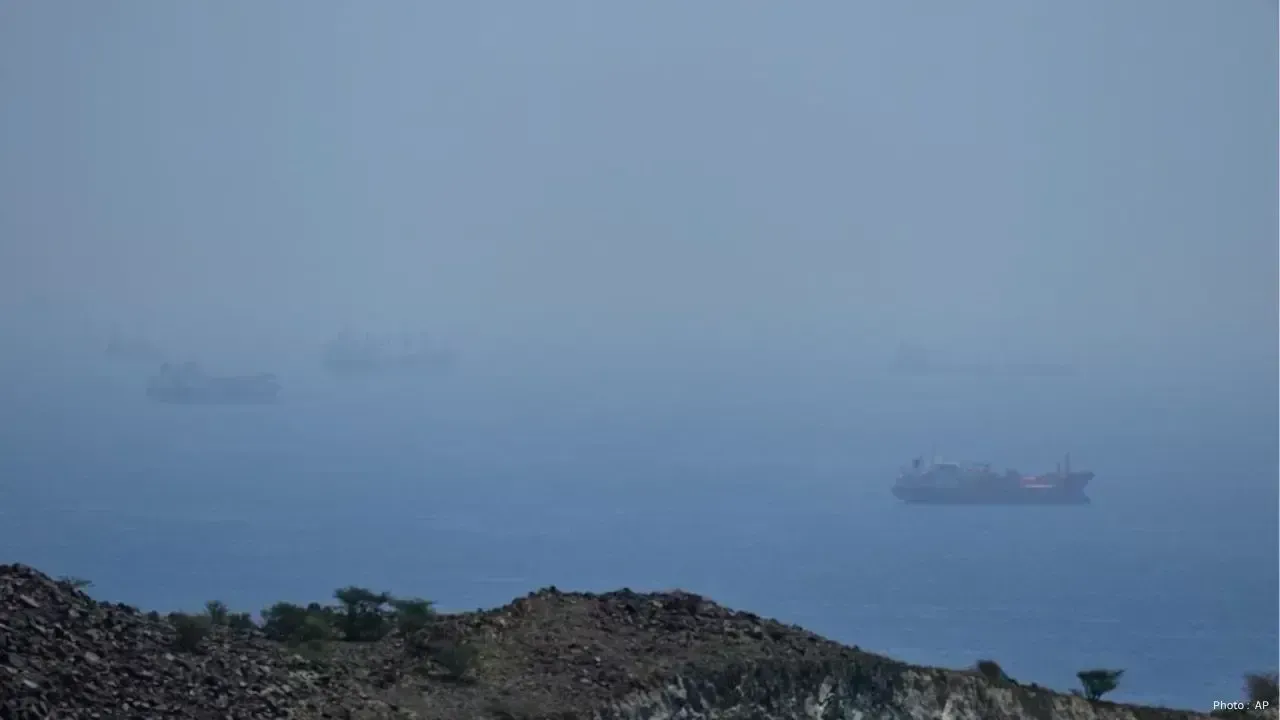
Tensions have surged in the Middle East following reports of an Iranian attack on a container vessel transiting the Strait of Hormuz. This incident raises alarm regarding global trade, oil supplies, and the safety of maritime shipping routes.
The Strait of Hormuz is a vital passage globally, with a significant portion of oil exports traversing this narrow channel daily. Any aggression or disruption here directly impacts global markets, often resulting in increased oil prices and uncertainty in trade.
Initial reports indicate that the vessel was attacked while navigating the strait. Although comprehensive details remain unclear, the incident has provoked anxiety among shipping companies and governments about the safety of vessels operating in this area.
This attack occurs amidst rising tensions in the Middle East, where conflicts involving Iran and other global powers have contributed to an unstable environment. Military actions and stern warnings are becoming more commonplace, amplifying fears of further escalation.
From a commentary standpoint, targeting commercial ships poses significant challenges. These vessels transport essential goods such as oil, food, and raw materials. Disruptions jeopardize global supply chains, potentially causing price increases for everyday products and affecting economies worldwide.
Additionally, crew safety is a critical concern. Sailors depend on secure passages through international waters, and incidents like this threaten their lives and generate fear within the shipping sector. Protecting crew members' safety should be paramount for all nations.
The international community's response to this incident will be crucial. Nations relying on the Strait of Hormuz for energy and trade might bolster their naval presence to safeguard vessels. Nonetheless, such actions must be approached cautiously to prevent exacerbating the situation, as miscalculations could lead to larger conflicts.
This incident also highlights issues surrounding international maritime law. These laws exist to guarantee safe and free passage of ships in global waters; violations undermine stability and trust. Upholding these regulations is vital for maintaining peace and trade.
Moreover, the root issues in the region cannot be overlooked. Persistent political tensions and security concerns continue to incite conflict. Addressing these foundational problems is essential for preventing similar incidents in the future.
The repercussions of such events can be severe. Disruptions in oil supplies may lead to soaring fuel prices, adversely affecting transport, businesses, and the daily lives of millions. Countries dependent on imported energy find themselves especially vulnerable.
This scenario underscores the interconnectedness of today’s world. An incident in such a confined waterway can have far-reaching global implications. It emphasizes the necessity for international cooperation to ensure stability and safety.
Moving forward, priority should be given to de-escalating tensions and averting additional attacks. Dialogue and diplomatic initiatives are critical in this endeavor. While military responses may provide temporary control, sustainable peace requires mutual understanding and collaboration.
The Strait of Hormuz remains a crucial artery for global trade. Its security is not just a regional issue but a global obligation. The recent assault is a stark reminder of the precariousness of peace in such significant geographical areas.
As the situation unfolds, international observers will monitor closely. The decisions made now will significantly influence the region's future and have ramifications for the global economy. Ensuring stability, safety, and collaboration must be the overarching goals.










PM Modi Pays Tribute to Mahatma Gandhi, Urges People to Support Khadi
PM Modi pays tribute to Mahatma Gandhi on Gandhi Jayanti and urges citizens to support Khadi and the

Amazon Seeks to Offload $8 Billion in Nvidia Chips to Investors
Amazon plans to move $8 billion in Nvidia chips to investors, using a new financing model to strengt

Samsung Raises Galaxy S26 Prices as Memory Chip Costs Rise
Samsung raises Galaxy S26 prices in South Korea as rising memory chip costs put pressure on smartpho

Lewis Hamilton Calls Singapore Grand Prix One of F1's Toughest Races
Lewis Hamilton discusses the demanding Singapore Grand Prix and brings Plus44 and Almave to Singapor

Denmark's Pandora Opens World's Largest Jewellery Factory in Vietnam
Pandora opens its largest jewellery factory in Vietnam, expanding global production, strengthening s

Gautam Gambhir Questions Batting-Friendly Pitches After India's Record ODI Chase
Gautam Gambhir questions batting-friendly ODI pitches after India’s record chase, calling for a bett

