
You have not yet added any article to your bookmarks!
Join 10k+ people to get notified about new posts, news and tips.
Do not worry we don't spam!
Post by : Rohit Dhiman
Iran has presented a proposal aimed at ending the ongoing conflict with the United States and reopening the strategically important Strait of Hormuz within seven days, Iranian Foreign Minister Abbas Araghchi said while speaking to media outlets in New York. Araghchi, who is in the United States for the United Nations General Assembly, said the waterway could be reopened after certain conditions were fulfilled. He also indicated that negotiations could resume as part of the proposed arrangement. The development comes as the Strait of Hormuz remains at the centre of international concern because of its importance to global energy shipments. Any prolonged disruption in the waterway can affect oil and gas supplies, shipping routes and energy prices across international markets.
According to Araghchi's account, the latest proposal calls for a seven-day cessation of hostilities across the Middle East, including fighting involving Lebanon. The proposal also includes a demand for the release of frozen Iranian assets estimated at more than US$12 billion. In addition, Tehran is seeking the lifting of sanctions affecting Iranian oil exports. Another major condition is the end of the US naval blockade of Iran. Under the reported plan, the seventh day of the proposed truce would be followed by the reopening of the Strait of Hormuz.
Araghchi said Iran was waiting for a response from Washington to the proposal. The development follows contacts between Iranian and US officials in New York. Araghchi also held talks with US special envoy Steve Witkoff during the United Nations General Assembly. The discussions are significant because they represent diplomatic engagement between Tehran and Washington at a time when the conflict has placed enormous pressure on regional security and energy markets. Iranian officials have indicated that the delegation in New York has authority to pursue diplomacy with the United States. Reuters separately reported that a senior Iranian official said Tehran was prepared to reopen the waterway within a week if Washington eased military pressure and lifted its blockade of Iranian ports.
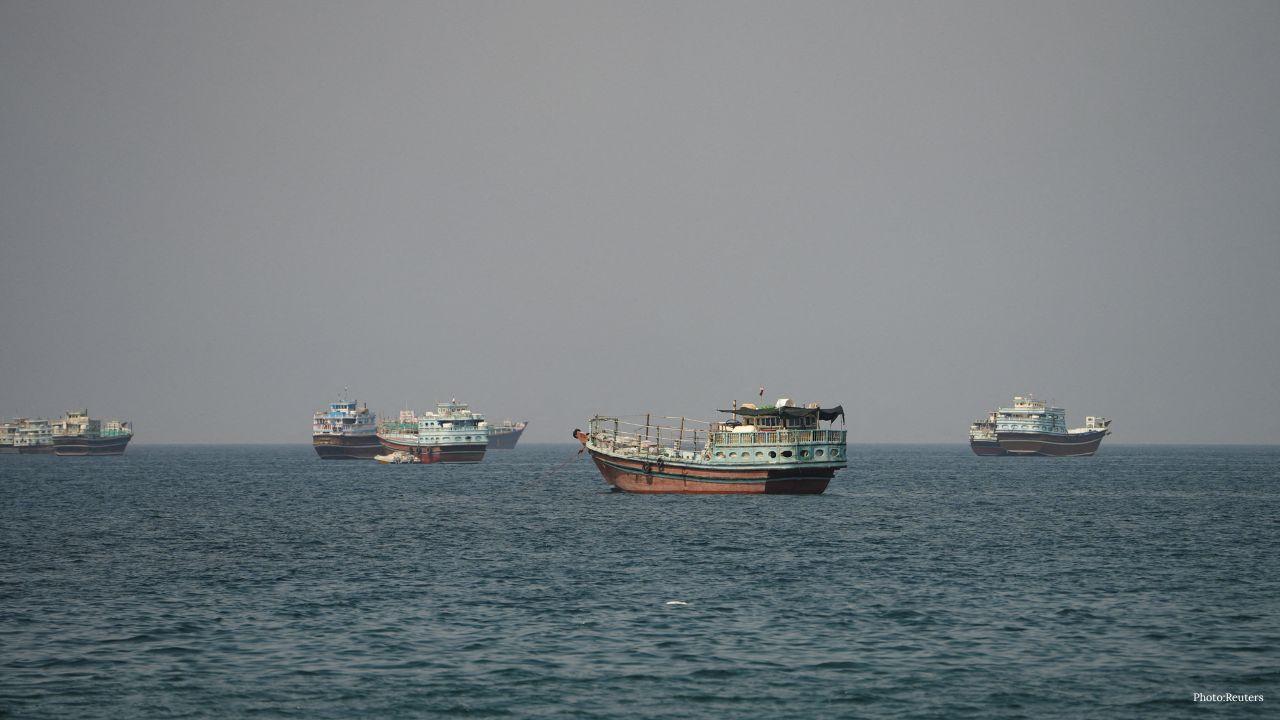
The Strait of Hormuz is one of the world's most important energy shipping routes. It connects the Persian Gulf with the Gulf of Oman and the Arabian Sea, making it a crucial passage for ships carrying oil and other energy products. Any major disruption can have consequences far beyond Iran and the Gulf region. Energy importers in Asia and other parts of the world closely monitor developments around the waterway because changes in shipping access can affect supply, freight costs and crude oil prices. The uncertainty surrounding the waterway has already attracted significant attention from governments, energy companies and financial markets.
The latest proposal places the seven-day period at the centre of Tehran's plan. Under the reported arrangement, hostilities would stop across the region for seven days. The proposed pause would include Lebanon, while other Iranian conditions would also need to be addressed. If those requirements were fulfilled, Iran says the waterway would be reopened on the seventh day. This means the proposal is not simply a shipping decision. It is tied directly to a broader diplomatic arrangement involving military operations, economic sanctions, frozen funds and regional conflicts.
Reports about Iran's position on reopening Hormuz have changed over the past several days. Kyodo News first reported on September 22, citing a senior Iranian official, that Tehran could reopen the waterway within seven days if certain conditions were met. Iranian media subsequently disputed that report, while officials in Tehran did not immediately provide a complete clarification. Later statements from Iranian officials provided more details about the conditions attached to reopening the waterway. The Guardian reported that Tehran had previously listed seven preconditions, while senior Iranian officials later gave different accounts of the timeline and requirements. This means the latest proposal should be understood as a reported diplomatic offer rather than confirmation that Hormuz will definitely reopen within seven days.
The proposed release of frozen Iranian assets is another important part of the plan. Iran has faced extensive economic restrictions, including measures affecting its ability to sell oil and access international financial resources. Tehran has repeatedly argued that sanctions have placed significant pressure on its economy. The reported proposal seeks the release of frozen Iranian funds and the lifting of sanctions on Iranian oil. For Iran, these measures would have major economic significance. For the United States and its allies, any sanctions relief would involve broader diplomatic and security considerations. The issue could therefore become one of the most difficult parts of negotiations between the two sides.
The current proposal also follows an earlier attempt to establish an arrangement involving Iran and the United States. According to the supplied report, the two countries signed a memorandum of understanding in June that was intended to help end the conflict, reopen the waterway and begin discussions over Iran's nuclear programme.
Iran subsequently accused commercial vessels of deviating from approved routes through Hormuz and introduced authorisation requirements for ships seeking passage. The situation contributed to further uncertainty around commercial shipping in the waterway. The United States has also carried out military action against Iranian coastal areas in response to incidents involving shipping.
Read Also: Trump Raises Weak Yen Concern During Summit With Japan PM Takaichi
Araghchi said China supported the Iranian proposal. The timing is notable because Chinese President Xi Jinping is visiting the United States for talks with President Donald Trump. Developments involving Iran and the Hormuz Strait could therefore become part of wider international discussions involving energy security, trade and regional stability. China is also a major energy consumer, making the uninterrupted movement of oil through major shipping routes particularly important for the global economy. However, support for the proposal does not itself mean that an agreement has been reached between Iran and the United States.
A reopening of the waterway could have consequences for shipping and energy markets. Commercial vessels would potentially have greater access to the route, reducing uncertainty for companies transporting oil and other goods through the region. It could also ease some of the pressure created by the disruption of energy shipments. However, the practical details would be critical. Questions would remain over security arrangements, shipping permissions, naval activity and the exact terms under which vessels could pass through the waterway. Earlier reporting has noted that Iran has sought control over aspects of navigation through the strait, adding another layer to the diplomatic issue.
Iran's demand for a cessation of hostilities across the Middle East shows that the Hormuz issue is closely connected to the wider regional conflict. The proposal reportedly includes Lebanon, while Iranian officials have also previously linked their conditions to developments involving Yemen and other fronts. This broadens the negotiations beyond a simple agreement between Washington and Tehran. Any arrangement would therefore need to address several interconnected conflicts and security concerns across the region.
The immediate focus is now on the US response. Iran says it is waiting for Washington to respond to the proposal. If the two sides reach an understanding on the conditions, negotiations could move toward a temporary ceasefire and eventually a reopening of the waterway. But if the conditions remain unresolved, the seven-day reopening proposal may not move forward. For now, there is no confirmation that the Strait of Hormuz will definitely reopen within seven days. The reported timeline depends on the fulfilment of Iran's conditions and an agreement with the United States.










PM Modi Pays Tribute to Mahatma Gandhi, Urges People to Support Khadi
PM Modi pays tribute to Mahatma Gandhi on Gandhi Jayanti and urges citizens to support Khadi and the

Amazon Seeks to Offload $8 Billion in Nvidia Chips to Investors
Amazon plans to move $8 billion in Nvidia chips to investors, using a new financing model to strengt

Samsung Raises Galaxy S26 Prices as Memory Chip Costs Rise
Samsung raises Galaxy S26 prices in South Korea as rising memory chip costs put pressure on smartpho

Lewis Hamilton Calls Singapore Grand Prix One of F1's Toughest Races
Lewis Hamilton discusses the demanding Singapore Grand Prix and brings Plus44 and Almave to Singapor

Denmark's Pandora Opens World's Largest Jewellery Factory in Vietnam
Pandora opens its largest jewellery factory in Vietnam, expanding global production, strengthening s

Gautam Gambhir Questions Batting-Friendly Pitches After India's Record ODI Chase
Gautam Gambhir questions batting-friendly ODI pitches after India’s record chase, calling for a bett

