
You have not yet added any article to your bookmarks!
Join 10k+ people to get notified about new posts, news and tips.
Do not worry we don't spam!
Post by : Shweta
Iran has put forth a proposal to reopen the pivotal Strait of Hormuz, contingent on the United States easing its economic sanctions, presenting a potential path toward de-escalation in West Asia. However, U.S. officials are expressing uncertainty regarding Tehran's true motives, causing skepticism about whether this initiative could result in a substantial diplomatic success or merely another instance of unmet expectations.
The Strait of Hormuz is crucial for global oil transportation, with about 20% of the world's oil supplies passing through it. Any disturbances in this region have immediate repercussions on international energy markets and oil prices. This offer from Iran follows weeks characterized by heightened tensions, military maneuvers, and enduring economic stress between Tehran and Washington.
Iran claims that this proposal seeks to decouple immediate maritime challenges from the more complex nuclear dialogues occurring between the two nations. By reopening maritime routes and alleviating pressures in the area, Tehran hopes to foster a climate of trust, setting the stage for more comprehensive nuclear discussions. Iranian authorities assert that reinstating unimpeded passage through the Strait would not only benefit the global economy but also mitigate concerns over a potential regional conflict.
Iranian Foreign Minister Abbas Araghchi has been actively engaging with not just regional allies but also international partners about this proposal. Tehran has strengthened diplomatic ties with countries such as Russia, Saudi Arabia, Oman, and Pakistan to garner support for this initiative and diminish the possibility of escalating tensions.
Conversely, reports indicate that the administration under Donald Trump remains unconvinced by Iran's offer. Senior officials reportedly believe that maintaining economic pressure on Tehran will ultimately drive them to acquiesce to broader U.S. demands related to their nuclear program and military actions in the region.
U.S. Secretary of State Marco Rubio has also voiced concerns regarding Iran’s stance on access to international waterways. He articulated that any scenario allowing Iran to control the Strait of Hormuz, or dictate which nations can safely navigate it, is unacceptable. Rubio emphasized that the waterway should remain accessible under international law, free from political preconditions or threats to security.
The nuclear dilemma is a considerable hurdle that complicates potential agreements between Washington and Tehran. American officials continue to demand that Iran provide assurances against developing nuclear weaponry. In contrast, Iran insists its nuclear endeavors serve peaceful purposes and has repeatedly denounced Western coercive measures.
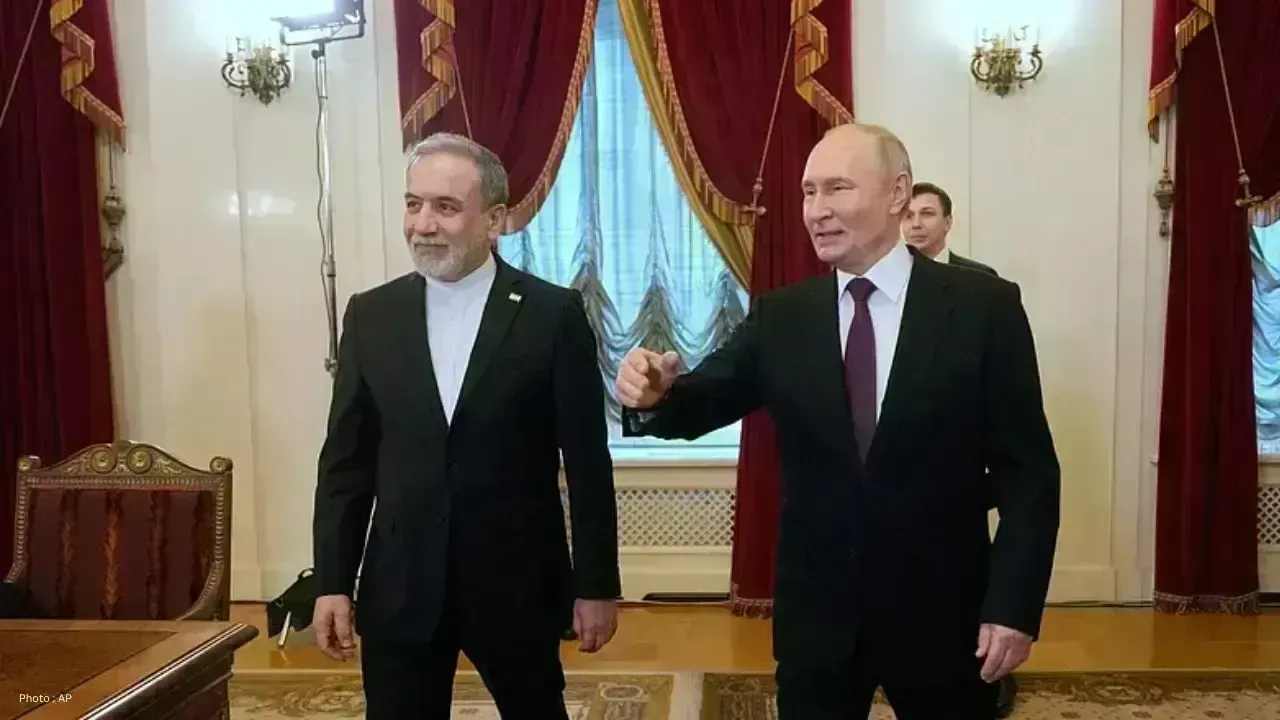
This situation has also heightened global scrutiny on Iran's alliance with Russia. In recent years, Tehran and Moscow have bolstered their political and military collaboration, particularly as both countries align on regional security and economic matters. Foreign Minister Abbas Araghchi’s recent discussions with President Vladimir Putin in Saint Petersburg centered on regional portfolio and Iran's diplomatic proposals.
Russian officials have openly supported de-escalation initiatives and advocated for peace in the Middle East. Moscow has condemned American and Israeli military actions against Iran, labeling them as destabilizing for the region. While rumors about Russian intelligence support for Iran during military incidents have surfaced, Moscow categorically denies any direct involvement.
Experts assert that the current landscape is precarious, given the Gulf's economic significance and the potential for military escalation. A sustained disruption in the Strait of Hormuz could have far-reaching effects on oil exports, commercial shipping, and energy prices globally. Nations across Asia and Europe are monitoring these developments closely due to their economies’ heavy reliance on energy supplies from this critical zone.
Iran’s recent diplomatic initiative is interpreted by some as a possible avenue for negotiations following months of heightened tensions. Yet, others believe that profound distrust between Tehran and Washington could hinder any significant developments. Ultimately, the fate of this proposal hinges on the willingness of both parties to seek a compromise rather than escalate the situation further.










PM Modi Pays Tribute to Mahatma Gandhi, Urges People to Support Khadi
PM Modi pays tribute to Mahatma Gandhi on Gandhi Jayanti and urges citizens to support Khadi and the

Amazon Seeks to Offload $8 Billion in Nvidia Chips to Investors
Amazon plans to move $8 billion in Nvidia chips to investors, using a new financing model to strengt

Samsung Raises Galaxy S26 Prices as Memory Chip Costs Rise
Samsung raises Galaxy S26 prices in South Korea as rising memory chip costs put pressure on smartpho

Lewis Hamilton Calls Singapore Grand Prix One of F1's Toughest Races
Lewis Hamilton discusses the demanding Singapore Grand Prix and brings Plus44 and Almave to Singapor

Denmark's Pandora Opens World's Largest Jewellery Factory in Vietnam
Pandora opens its largest jewellery factory in Vietnam, expanding global production, strengthening s

Gautam Gambhir Questions Batting-Friendly Pitches After India's Record ODI Chase
Gautam Gambhir questions batting-friendly ODI pitches after India’s record chase, calling for a bett

