
You have not yet added any article to your bookmarks!
Join 10k+ people to get notified about new posts, news and tips.
Do not worry we don't spam!
Post by : Shweta
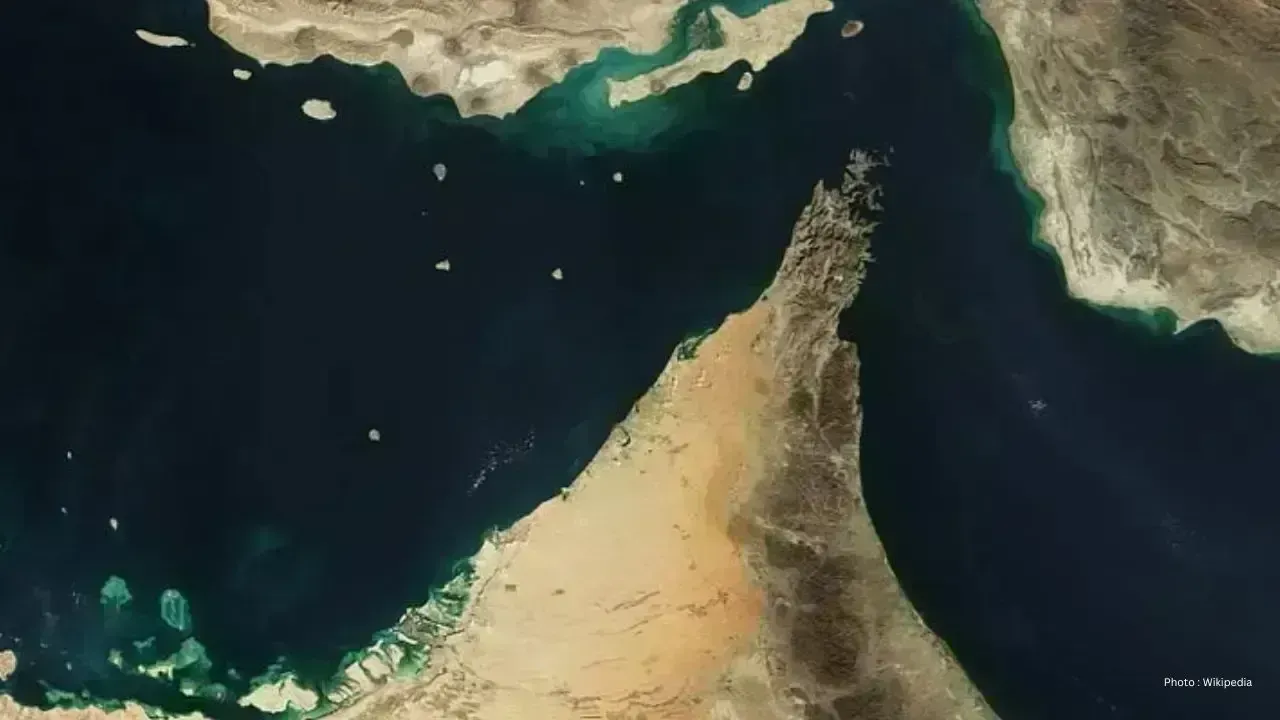
Iran has chosen not to reopen the strategically important Strait of Hormuz, despite a fragile ceasefire agreement with the United States. This decision coincides with a continuing U.S. naval blockade, heightening concerns regarding tensions in the Gulf region and potential impacts on global energy supplies.
Tehran reported the seizure of two ships trying to navigate the waterway, labeling the U.S. blockade as a breach of the ceasefire terms. The Islamic Revolutionary Guard Corps stated that its naval forces intercepted the vessels, asserting that passage through the strait would require Iran's approval.
In response, the US Central Command has ordered numerous vessels to turn back or return to their ports as part of its enforcement strategy. The U.S. maintains that its actions aim to pressure Iran without triggering a full-blown conflict.
This standoff has already affected global markets significantly. Oil prices have spiked due to fears of supply disruptions, with both major indices initially climbing before witnessing a slight dip. The Strait of Hormuz, essential for nearly 20% of the world's oil trade, remains a focal point of concern for economic stability.
Former President Donald Trump has prolonged the ceasefire to facilitate further diplomatic discussions, especially efforts facilitated by Pakistan. However, Iran’s commitment to upcoming negotiations remains unconfirmed, adding to the prevailing uncertainty.
Iranian officials have sharply criticized the U.S. stance, claiming that any ceasefire is rendered ineffective by military imposition. Leaders within the Iranian parliament have asserted that reopening the strait is unattainable amid what they describe as ongoing violations.
The crisis has raised alarms regarding maritime security, as international monitoring agencies report warnings and occasional attacks on vessels in the vicinity, though no injuries have been reported. Countries connected to the affected ships are expressing serious concerns over the escalating situation.
Even with the ceasefire still theoretically active, both parties continue accusing each other of violations. The U.S. has intercepted vessels believed to be involved with Iranian operations, while Iran emphasizes tighter control over Gulf access.
In summary, the tensions remain precarious. With the Strait of Hormuz still sealed and military operations ongoing, the potential for further escalation is considerable. The days ahead will be critical in assessing whether diplomatic efforts can alleviate the situation or if it escalates into more severe hostilities.










PM Modi Pays Tribute to Mahatma Gandhi, Urges People to Support Khadi
PM Modi pays tribute to Mahatma Gandhi on Gandhi Jayanti and urges citizens to support Khadi and the

Amazon Seeks to Offload $8 Billion in Nvidia Chips to Investors
Amazon plans to move $8 billion in Nvidia chips to investors, using a new financing model to strengt

Samsung Raises Galaxy S26 Prices as Memory Chip Costs Rise
Samsung raises Galaxy S26 prices in South Korea as rising memory chip costs put pressure on smartpho

Lewis Hamilton Calls Singapore Grand Prix One of F1's Toughest Races
Lewis Hamilton discusses the demanding Singapore Grand Prix and brings Plus44 and Almave to Singapor

Denmark's Pandora Opens World's Largest Jewellery Factory in Vietnam
Pandora opens its largest jewellery factory in Vietnam, expanding global production, strengthening s

Gautam Gambhir Questions Batting-Friendly Pitches After India's Record ODI Chase
Gautam Gambhir questions batting-friendly ODI pitches after India’s record chase, calling for a bett

