
You have not yet added any article to your bookmarks!
Join 10k+ people to get notified about new posts, news and tips.
Do not worry we don't spam!
Post by : Saif Rahman
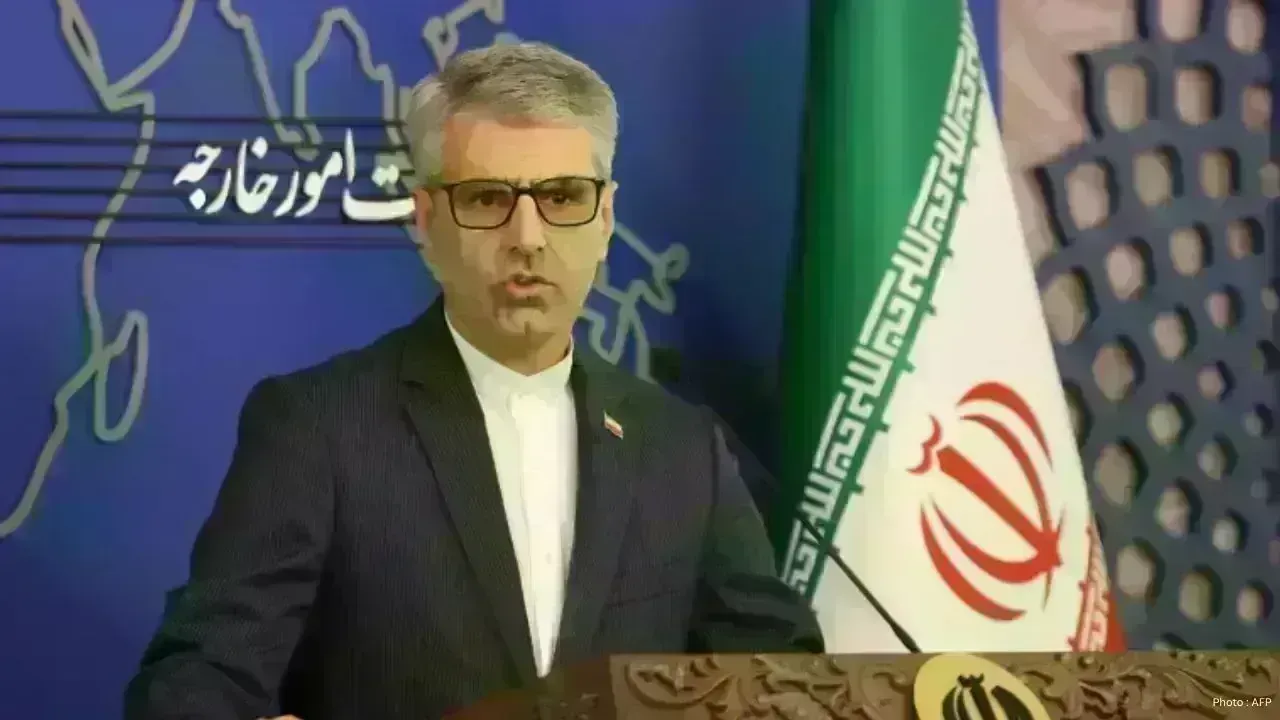
Iran has accused the United States of imposing “unfair conditions” amid ongoing negotiations aimed at alleviating tensions and resolving conflicts across the Middle East. This claim highlights the escalating challenges in diplomatic discussions as regional instability exerts pressure on global governance and security.
Officials in Iran remarked that negotiations with the US have grown increasingly complex, citing demands from Washington that Tehran views as both unfair and impractical. While specifics of these negotiations were not fully disclosed, Iranian representatives indicated that the American stance is hindering progress.
These talks are part of broader efforts to diminish military tensions involving Iran, Israel, and the American military presence in the area. The Middle East has faced prolonged instability due to ongoing conflicts related to Gaza, threats to shipping routes, missile attacks, and the growing fear of a broader war.
According to Iran’s Foreign Ministry, successful diplomacy relies on mutual respect and avoiding undue pressure. They assert that negotiations should emphasize balanced agreements as opposed to unilateral demands.
While the US has yet to fully respond to these allegations, officials have consistently maintained their call for Iran to curtail activities perceived as threats to regional stability. Washington has accused Tehran of backing armed factions throughout the Middle East and exacerbating military tensions in the Gulf.
The current discussions are occurring at a pivotal moment. Several nations, including Qatar and Oman, are reportedly attempting to forestall the escalation into a larger military engagement. Diplomatic initiatives are focusing on mitigating attacks, safeguarding international shipping routes, and preventing direct hostilities between Iran and its adversaries.
The strained relationship between Iran and the United States has persisted for years, with disputes surrounding nuclear agreements, economic sanctions, regional authority, and military endeavors continually straining diplomatic ties.
Recent years have seen negotiations oscillating between periods of advancement and collapse. Past efforts to revitalize nuclear agreements and reduce sanctions have faced significant challenges, as both sides have leveled accusations of not upholding commitments.
This latest conflict illustrates the delicate nature of Middle Eastern diplomacy. Experts apprehend that while both Iran and the US are keen to avoid broader warfare, a deep-seated mistrust continues to complicate negotiations.
The ongoing conflict in Gaza reignites tensions throughout the area. Armed factions tied to Iran have conducted attacks in multiple locations, while the US has enhanced its military presence in the Middle East to safeguard allies and transport routes.
Market analysts worldwide are closely monitoring these negotiations, given that any resurgence of tensions in the Middle East could influence oil prices, shipping expenses, and international commerce—a region of immense strategic importance for global energy supplies.
Political analysts speculate that Iran may be seeking greater leverage in the talks by publicly criticizing the US. In parallel, Washington might be employing pressure tactics to compel Tehran to accept more stringent conditions during the discussions.
For the general populace in the Middle East, enduring tensions evoke concerns about economic instability and the potential for wider conflict. Many nations in the area are already grappling with inflation, joblessness, and security issues stemming from ongoing wars and political strife.
Despite the strong rhetoric, diplomatic channels between Iran and the United States have not entirely closed. Experts opine that both parties recognize the hazards associated with direct military conflict and may persist in indirect discussions via mediation.
The following weeks could prove crucial for regional stability. If negotiations fail entirely, heightened tensions could ensue across the Middle East. Conversely, successful dialogue might pave the way for diplomatic movements that could alleviate fears of broader conflict.
Ultimately, Iran’s recent statements signify that peace negotiations remain challenging and uncertain. The future of stability in the region may hinge upon whether both sides can transcend public accusations and re-engage in meaningful diplomatic dialogue.










PM Modi Pays Tribute to Mahatma Gandhi, Urges People to Support Khadi
PM Modi pays tribute to Mahatma Gandhi on Gandhi Jayanti and urges citizens to support Khadi and the

Amazon Seeks to Offload $8 Billion in Nvidia Chips to Investors
Amazon plans to move $8 billion in Nvidia chips to investors, using a new financing model to strengt

Samsung Raises Galaxy S26 Prices as Memory Chip Costs Rise
Samsung raises Galaxy S26 prices in South Korea as rising memory chip costs put pressure on smartpho

Lewis Hamilton Calls Singapore Grand Prix One of F1's Toughest Races
Lewis Hamilton discusses the demanding Singapore Grand Prix and brings Plus44 and Almave to Singapor

Denmark's Pandora Opens World's Largest Jewellery Factory in Vietnam
Pandora opens its largest jewellery factory in Vietnam, expanding global production, strengthening s

Gautam Gambhir Questions Batting-Friendly Pitches After India's Record ODI Chase
Gautam Gambhir questions batting-friendly ODI pitches after India’s record chase, calling for a bett

