
You have not yet added any article to your bookmarks!
Join 10k+ people to get notified about new posts, news and tips.
Do not worry we don't spam!
Post by : Saif Rahman
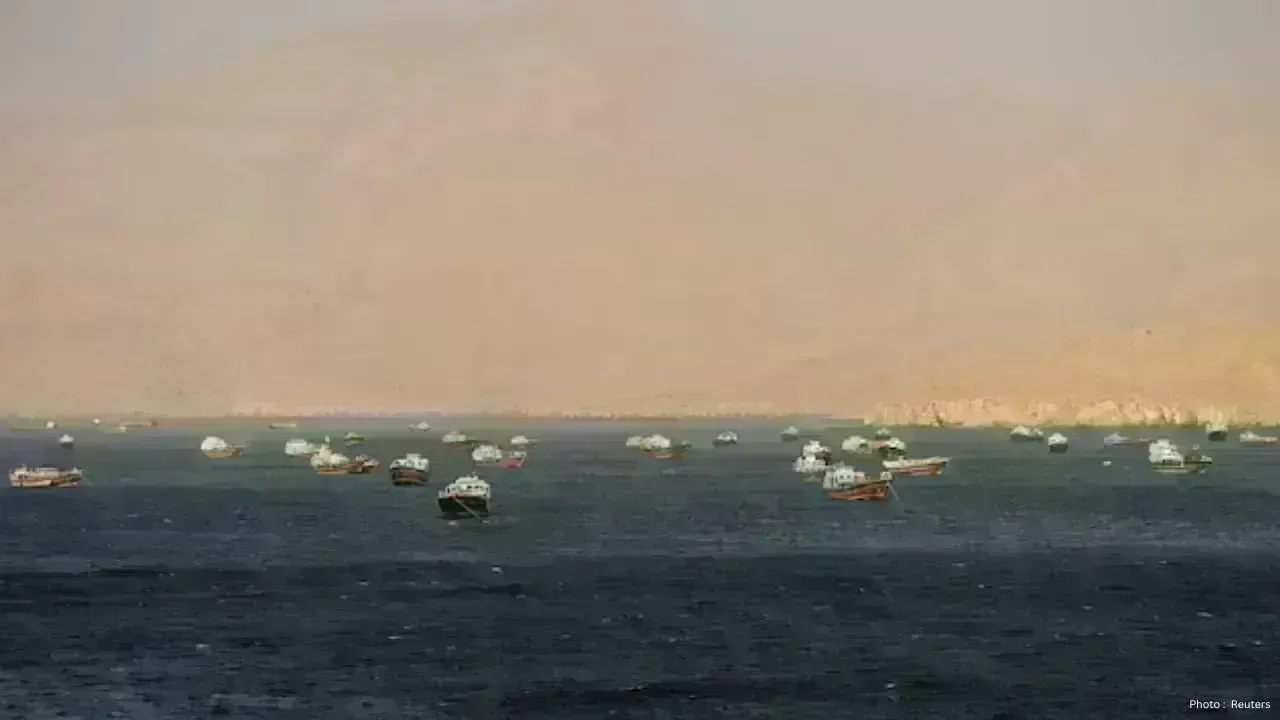
The international spotlight is on the Strait of Hormuz as Iran confirms that this vital maritime route will remain available for passage, albeit with the possibility of transit fees. This declaration arrives during a period marked by regional tensions and growing unease over global energy security. Given that a substantial amount of the world’s oil and gas traverses this narrow waterway, any news regarding its status draws keen interest from nations, corporations, and financial entities alike.
This channel links the Persian Gulf with international shipping lanes, acting as one of the globe's most critical trade routes. Daily, millions of barrels of crude oil and other energy resources navigate through this corridor to meet demand across Asia, Europe, and beyond. Thus, any uncertainties tied to this route can swiftly ripple through energy pricing and market dynamics.
With this latest stance, Iran indicates that commercial vessels will be able to navigate the region despite existing geopolitical pressures. The suggestion to implement transit costs has incited dialogue among analysts and policymakers. Although this announcement may alleviate worries about a complete blockade, it raises questions on the practicalities surrounding fee implementation and the reactions of global shipping entities.
For many nations, the principal takeaway is that they can expect the route to remain in operation, preventing potential disruption in global energy markets. A closure could have triggered serious ramifications for oil-importing countries, which rely heavily on consistent supply chains. Interruptions in transport can have swift, far-reaching impacts on fuel prices, production levels, and overall economic stability.
The implications of the Strait of Hormuz transcend the Middle East; countries in Asia have significant dependencies on energy deliveries passing through this route. Major economies—such as China, India, Japan, and South Korea—receive substantial quantities of crude oil from Gulf states. Consequently, any alterations in transport conditions hold the potential to affect billions globally, leading to price inflation in fuels, transport, and manufactured goods.
Energy markets are sensitive to uncertainties. Investors keep a vigilant eye on developments regarding crucial shipping lanes due to the potential for sudden price fluctuations stemming from supply disruptions. The latest communication from Iran may provide some comfort to anxious traders by affirming that shipping will proceed through this crucial corridor.
The proposition of imposing transit fees adds a layer of complexity to the discussion. Shipping enterprises already contend with significant operational costs, including expenses for fuel, insurance, and security. These additional charges could further escalate transportation costs, potentially reflected in energy prices, but the impact will largely depend on the specifics of any such fees.
This situation also brings to light broader considerations regarding international maritime law and navigational freedoms. Open sea routes are vital for global commerce, facilitating the efficient movement of goods between nations. Changes affecting vital shipping lanes often require diplomatic negotiations involving governments, maritime associations, and global institutions.
Regional security remains a key concern. The Persian Gulf has previously experienced heightened tensions, which stir apprehensions regarding commercial shipping and energy exports. Upholding stability in the region is crucial for protecting global supply chains and fostering economic growth. Consequently, many nations persist with diplomatic endeavors to mitigate conflict and encourage dialogue.
The oil-exporting countries in the Gulf region are particularly attentive to unfolding developments, as their economies hinge on the exports carried through this maritime channel. Consistent access to international markets is essential for their revenue streams and future economic strategies. Uncertainties in shipping operations can jeopardize long-term forecasts and investor confidence.
For consumers globally, developments in the Strait of Hormuz might appear removed, yet the consequences are far-reaching. Fluctuations in oil costs impact transportation, electricity rates, and the pricing of goods. This connection explains why governments and businesses vigilantly monitor situations related to major energy routes.
Iran's recent statement may temporarily pacify global markets, alleviating immediate fears of disruption. However, keen observation from investors, shipping companies, and policymakers will continue as stability in the region is essential for maintaining seamless energy flows and fostering economic advancement worldwide.
The fate of the Strait of Hormuz remains pivotal in international discussions, given its crucial role in global commerce and energy assurance. Iran’s assertion that this route will stay open provides some relief to apprehensive markets while the unfolding dialogue about transit fees underscores the intricate relationship between economic interests, regional politics, and maritime security. In a world reliant on dependable energy transportation, safeguarding the uninterrupted passage of goods through this essential corridor remains a global priority.
#Middle East #Middle East Crisis #Middle East Conflict #Middle East Economy










PM Modi Pays Tribute to Mahatma Gandhi, Urges People to Support Khadi
PM Modi pays tribute to Mahatma Gandhi on Gandhi Jayanti and urges citizens to support Khadi and the

Amazon Seeks to Offload $8 Billion in Nvidia Chips to Investors
Amazon plans to move $8 billion in Nvidia chips to investors, using a new financing model to strengt

Samsung Raises Galaxy S26 Prices as Memory Chip Costs Rise
Samsung raises Galaxy S26 prices in South Korea as rising memory chip costs put pressure on smartpho

Lewis Hamilton Calls Singapore Grand Prix One of F1's Toughest Races
Lewis Hamilton discusses the demanding Singapore Grand Prix and brings Plus44 and Almave to Singapor

Denmark's Pandora Opens World's Largest Jewellery Factory in Vietnam
Pandora opens its largest jewellery factory in Vietnam, expanding global production, strengthening s

Gautam Gambhir Questions Batting-Friendly Pitches After India's Record ODI Chase
Gautam Gambhir questions batting-friendly ODI pitches after India’s record chase, calling for a bett

