
You have not yet added any article to your bookmarks!
Join 10k+ people to get notified about new posts, news and tips.
Do not worry we don't spam!
Post by : Saif Rahman
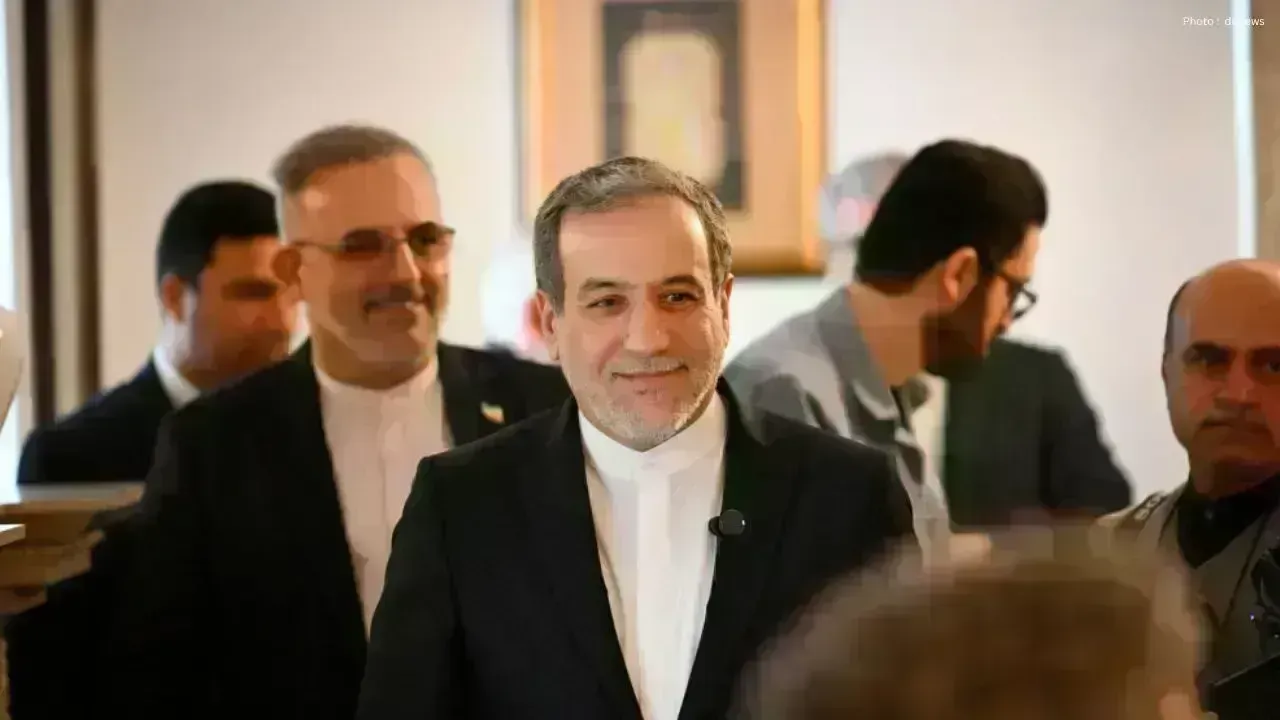
Iran has confirmed that it is engaged in ongoing diplomatic discussions with the United States, though no final agreement has yet been established. This announcement arrives in a climate marked by escalating regional tensions and heightened global concern over Tehran-Washington relations.
Iranian authorities have noted that dialogue channels remain open, with negotiations advancing through various diplomatic channels. However, they emphasized that significant differences persist between the two nations. These remarks highlight the prolonged and challenging nature of discussions that encompass regional security, sanctions, and nuclear-related topics.
The current situation has garnered worldwide attention, given the historically strained relations between Iran and the US. Issues such as political discord, economic sanctions, military incidents, and nuclear anxieties have consistently created instability in the Middle East.
Iranian officials assert that diplomacy is their preferred route for settling disputes. They revealed that the talks involve both direct and indirect engagements with international mediators and regional allies. Despite ongoing discussions, neither government has announced any major breakthroughs.
The United States has also expressed its commitment to pursuing diplomatic avenues while maintaining pressure on Tehran concerning nuclear activities and security concerns in the region. American officials emphasize that continued negotiations are critical for staving off further conflict and ensuring stability.
The relationship has endured multiple tumultuous phases over the decades, intensifying notably after the US's withdrawal from the 2015 nuclear agreement, the Joint Comprehensive Plan of Action, which was intended to restrict Iran's nuclear ambitions in exchange for relief from sanctions.
Following this exit, sanctions against Iran were reinstated, exacerbating economic struggles. In response, Iran incrementally lessened its compliance with the nuclear agreement's terms. Since then, multiple discussions have been attempted to rekindle understanding between the two parties.
Conflicts throughout the region have further complicated diplomatic efforts, with fighting across various Middle Eastern territories and increased tensions arising from armed groups backed by Iran, raising alarms among Western nations and neighboring countries. Security experts warn that any failure in diplomatic endeavors could heighten the risk of broader confrontations.
While Iran maintains that its nuclear initiatives are solely for peaceful energy and civilian purposes, Western governments express deep concern over uranium enrichment levels and the potential for military applications. Such disagreements constitute one of the primary hurdles in negotiations.
Another significant issue affecting Iran is economic pressure. Global sanctions have severely impacted trade, banking, oil exports, and investment, resulting in rising inflation and financial hardships for ordinary citizens. Iranian leaders continually advocate for sanctions relief as part of any forthcoming agreement.
The ongoing diplomatic discussions are closely monitored by regional nations, which recognize that Tehran-Washington relations can profoundly influence oil markets, shipping routes, energy pricing, and overall security in the area.
International observers note that both sides are keen to avoid direct military conflict while safeguarding their individual political interests. Thus, diplomacy remains a priority, even when progress seems tenuous or slow.
Political analysts point out that talks between Iran and the US are inherently complex due to the myriad of interconnected issues. Besides nuclear concerns, negotiations may encompass topics like prisoner exchanges, regional conflicts, economic sanctions, and military strategies.
Public sentiment in both Iran and the United States also plays a critical role in shaping diplomatic choices. Leaders in both countries navigate pressure from diverse political factions regarding negotiation strategies and foreign relations, with some advocating for compromise and collaboration while others prefer a tougher stance.
The recent statements from Tehran signal that channels of communication have not entirely broken down, despite ongoing disagreements. Maintaining open diplomatic lines is often viewed as a crucial step toward diminishing misunderstandings and averting sudden escalations.
Yet uncertainty looms regarding the discussions' eventual outcomes. No timeline for any prospective agreement has been disclosed, with officials remaining cautious as they discuss progress.
For the Middle East, the outcomes of diplomatic efforts between Iran and the United States carry significant implications. Enhanced relations could help ease tensions and foster economic stability, while communication breakdowns have the potential to worsen regional insecurity.
As discussions unfold, the international community is keenly focused on whether diplomacy can yield a sustainable agreement acceptable to both Tehran and Washington. Until then, the political landscape in the region is likely to remain uncertain.
#Global News #Iran News #Global Updates #Middle East #World News










PM Modi Pays Tribute to Mahatma Gandhi, Urges People to Support Khadi
PM Modi pays tribute to Mahatma Gandhi on Gandhi Jayanti and urges citizens to support Khadi and the

Amazon Seeks to Offload $8 Billion in Nvidia Chips to Investors
Amazon plans to move $8 billion in Nvidia chips to investors, using a new financing model to strengt

Samsung Raises Galaxy S26 Prices as Memory Chip Costs Rise
Samsung raises Galaxy S26 prices in South Korea as rising memory chip costs put pressure on smartpho

Lewis Hamilton Calls Singapore Grand Prix One of F1's Toughest Races
Lewis Hamilton discusses the demanding Singapore Grand Prix and brings Plus44 and Almave to Singapor

Denmark's Pandora Opens World's Largest Jewellery Factory in Vietnam
Pandora opens its largest jewellery factory in Vietnam, expanding global production, strengthening s

Gautam Gambhir Questions Batting-Friendly Pitches After India's Record ODI Chase
Gautam Gambhir questions batting-friendly ODI pitches after India’s record chase, calling for a bett

