
You have not yet added any article to your bookmarks!
Join 10k+ people to get notified about new posts, news and tips.
Do not worry we don't spam!
Post by : Rameen Ariff
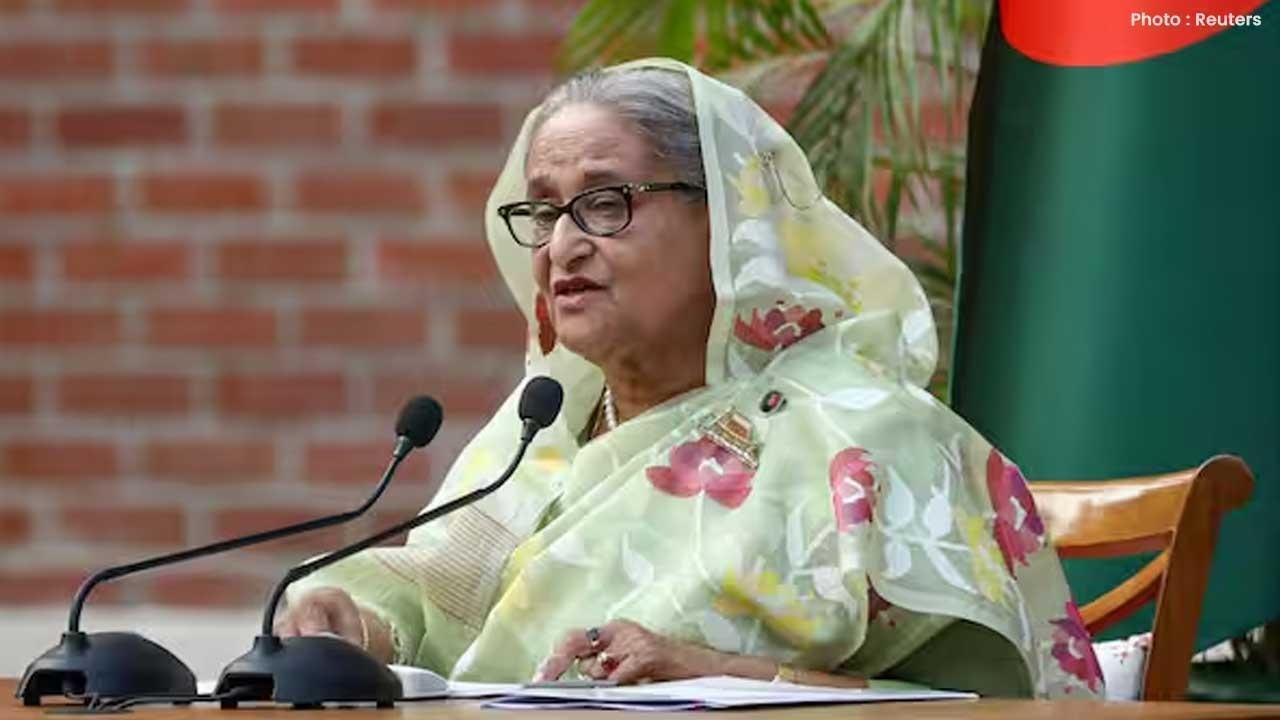
New Delhi, Nov 18, 2025 – India has reaffirmed its commitment to working constructively with all involved parties in Bangladesh, focusing on peace, democracy, and stability, in the wake of the death sentence issued to former Prime Minister Sheikh Hasina in absentia. This statement comes as tensions escalate following a formal extradition request from the interim Bangladeshi government for Hasina, who has sought refuge in India since her flight from Bangladesh on August 5 last year amid a students' uprising.
Hasina, along with her former interior minister Asaduzzaman Khan Kamal, was found guilty by Bangladesh’s International Crimes Tribunal on charges including crimes against humanity. The ruling, which sentenced Hasina to death for allegedly ordering fatal assaults on student demonstrators, has triggered widespread protests in Bangladesh, with her Awami League party calling for a national strike in response.
In its response, the Bangladeshi Foreign Ministry pressed India to hand over both Hasina and Khan immediately, underscoring obligations under their mutual extradition treaty. They warned that harboring individuals convicted of serious crimes could be interpreted as an unfriendly act and a failure to uphold justice.
Despite the extradition request, India has adopted a cautious approach. The Ministry of External Affairs (MEA) acknowledged the verdict but stopped short of committing to extradition, stating its intention to prioritize the welfare of the Bangladeshi populace. “As a close neighbour, India remains dedicated to ensuring peace, democracy, inclusion, and stability in Bangladesh. We will maintain constructive engagement with all stakeholders aiming for those goals,” noted an official MEA statement.
Experts in law indicate that the likelihood of India extraditing Hasina is low, citing provisions in Indian law as well as the terms of the bilateral extradition treaty that allow for discretion. The 2013 India-Bangladesh Extradition Treaty, along with amendments made in 2016, permits the transfer of fugitives but includes protections such as the principle of dual criminality and safeguards against politically charged extradition requests. India is entitled to refuse extradition if the charges appear unjust or politically motivated, or if there is a risk of domestic prosecution.
The Indian Extradition Act of 1962 also provides leeway for denying extradition if the request seems trivial, lacking good faith, or politically motivated. Under Section 29, authorities can suspend proceedings, revoke warrants, or discharge the individual sought based on those criteria.
At 78, Sheikh Hasina has condemned the verdict as unfair and politically motivated, asserting that her actions during the uprising were intended to prevent loss of life. She faces an uncertain future, unable to appeal unless she surrenders or is taken into custody within a 30-day window.
As diplomatic tensions linger, India’s response illustrates a delicate balancing act—supporting regional stability and democratic principles in Bangladesh while safeguarding its legal responsibilities under both domestic and international law. Analysts highlight how this situation showcases the intricate dynamics of geopolitics, legal considerations, and humanitarian issues present in South Asia, particularly as India balances its strategic partnership with Bangladesh and respects the sovereignty of its neighbor.
The next few weeks will be crucial as New Delhi engages with Dhaka, ensuring that their bilateral relations remain fruitful while carefully weighing the legal and political implications of any actions concerning Hasina’s extradition.










PM Modi Pays Tribute to Mahatma Gandhi, Urges People to Support Khadi
PM Modi pays tribute to Mahatma Gandhi on Gandhi Jayanti and urges citizens to support Khadi and the

Amazon Seeks to Offload $8 Billion in Nvidia Chips to Investors
Amazon plans to move $8 billion in Nvidia chips to investors, using a new financing model to strengt

Samsung Raises Galaxy S26 Prices as Memory Chip Costs Rise
Samsung raises Galaxy S26 prices in South Korea as rising memory chip costs put pressure on smartpho

Lewis Hamilton Calls Singapore Grand Prix One of F1's Toughest Races
Lewis Hamilton discusses the demanding Singapore Grand Prix and brings Plus44 and Almave to Singapor

Denmark's Pandora Opens World's Largest Jewellery Factory in Vietnam
Pandora opens its largest jewellery factory in Vietnam, expanding global production, strengthening s

Gautam Gambhir Questions Batting-Friendly Pitches After India's Record ODI Chase
Gautam Gambhir questions batting-friendly ODI pitches after India’s record chase, calling for a bett

