
You have not yet added any article to your bookmarks!
Join 10k+ people to get notified about new posts, news and tips.
Do not worry we don't spam!
Post by : Saif Rahman
As India braces for an arduous summer, weather analysts predict an above-average incidence of heatwave days throughout May. The uptick in temperatures is expected to intensify the challenges of daily living while pushing electricity usage to unprecedented levels.
While heatwaves are a common occurrence in India, their frequency and severity have surged in recent times. Current forecasts indicate that various regions will face prolonged and more extreme heat, which can impact public health, agriculture, and economic activities.
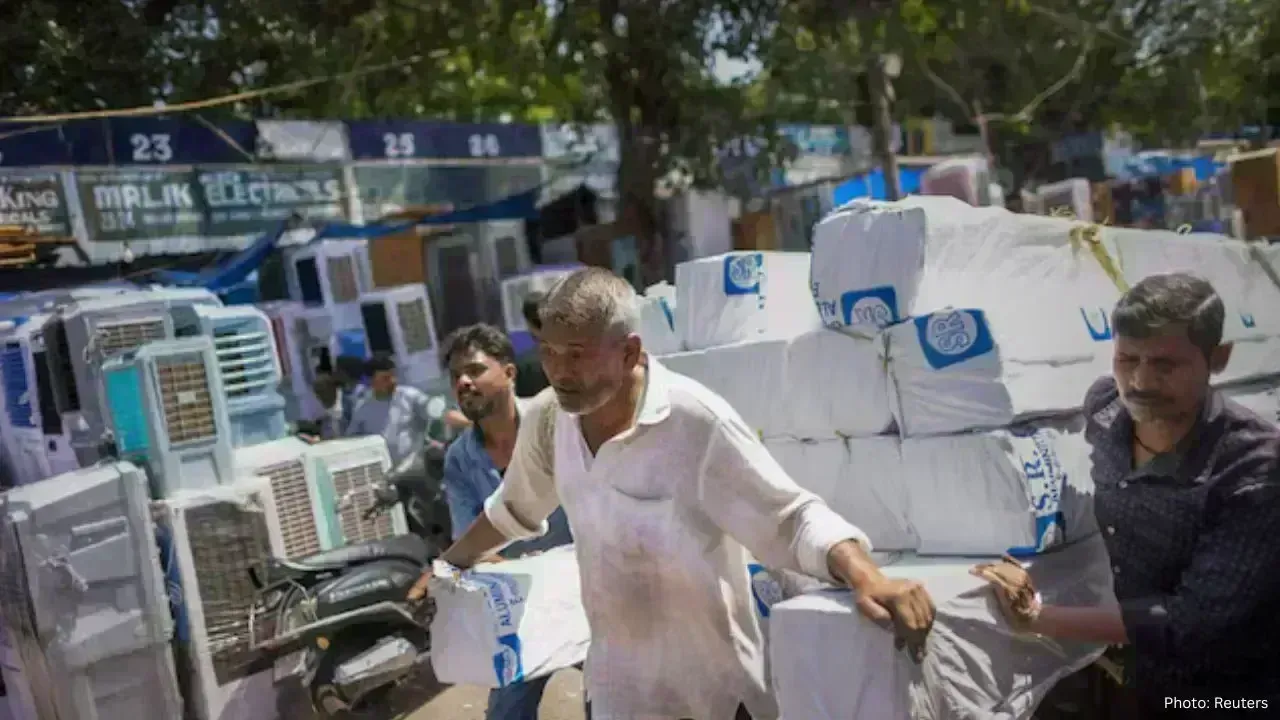
A primary concern is the escalating need for electricity. With rising heat, reliance on appliances such as fans, coolers, and air conditioners will increase, resulting in a sharp uptick in power consumption, particularly in urban regions where dense populations depend heavily on electrical devices to maintain comfort during the heat.
Power providers are gearing up for this anticipated surge, with governmental bodies taking steps to ensure electricity availability to meet the burgeoning demand. However, addressing supply challenges during peak hours remains a significant obstacle. A rapid rise in consumption could lead to electricity shortages or outages in specific locales.
The situation is further complicated by the availability of fuel utilized for power generation. Coal continues to serve as a crucial energy source in India, and maintaining adequate stock levels is vital for the seamless operation of power plants. Any disruptions in supply could hamper electricity generation and exacerbate the pressure on the system.
Additionally, the public health ramifications of heatwaves are alarming. Elevated temperatures can result in dehydration, heat-related illnesses, and other health risks, particularly affecting vulnerable groups such as children, the elderly, and individuals who work outdoors. Increased strain on hospitals and health services is likely during these heatwave episodes.
Agricultural repercussions are also significant. Extreme heat can adversely affect crops and diminish yields, particularly during critical growth phases. Such consequences could have a far-reaching impact on food availability and pricing.
Urban areas experience heightened vulnerability due to the “heat island” phenomenon, where infrastructure absorbs and retains more heat, making cities considerably warmer than their rural counterparts. This amplifies the demand for cooling solutions and electricity.
To mitigate these challenges, authorities encourage the public to adopt preventive measures. Staying hydrated, minimizing exposure to direct sunlight during peak hours, and conserving energy are crucial steps to minimize risks.
This scenario also underscores the importance of long-term strategic planning. As climate change persists, extreme weather patterns like heatwaves will likely become more prevalent. It necessitates better infrastructure, refined energy systems, and greater public awareness.
Renewable energy options like solar power could be pivotal in managing rising energy requirements. India has made strides in this direction; however, advancement must continue to lessen reliance on conventional energy sources.
This upcoming heatwave also prompts considerations regarding urban planning. Cities need more green spaces, improved architectural designs, and innovative cooling strategies to cope with escalating temperatures. Without these adaptations, the impacts of heatwaves will likely worsen.
On a macro level, this situation illustrates the intricate relationship between climate change and everyday life. Rising temperatures are not solely a meteorological issue; they bear profound implications for health, the economy, and infrastructure.
As India enters its peak summer months, the emphasis will be on managing the heat and its diverse effects. Ensuring a dependable power supply, safeguarding public health, and assisting vulnerable populations should be paramount.
The next few weeks will be a litmus test for the preparedness of systems to endure extreme weather challenges. While proactive planning and awareness can mitigate impacts, the escalating issue of heatwaves is a pressing concern that warrants urgent attention.










PM Modi Pays Tribute to Mahatma Gandhi, Urges People to Support Khadi
PM Modi pays tribute to Mahatma Gandhi on Gandhi Jayanti and urges citizens to support Khadi and the

Amazon Seeks to Offload $8 Billion in Nvidia Chips to Investors
Amazon plans to move $8 billion in Nvidia chips to investors, using a new financing model to strengt

Samsung Raises Galaxy S26 Prices as Memory Chip Costs Rise
Samsung raises Galaxy S26 prices in South Korea as rising memory chip costs put pressure on smartpho

Lewis Hamilton Calls Singapore Grand Prix One of F1's Toughest Races
Lewis Hamilton discusses the demanding Singapore Grand Prix and brings Plus44 and Almave to Singapor

Denmark's Pandora Opens World's Largest Jewellery Factory in Vietnam
Pandora opens its largest jewellery factory in Vietnam, expanding global production, strengthening s

Gautam Gambhir Questions Batting-Friendly Pitches After India's Record ODI Chase
Gautam Gambhir questions batting-friendly ODI pitches after India’s record chase, calling for a bett

