
You have not yet added any article to your bookmarks!
Join 10k+ people to get notified about new posts, news and tips.
Do not worry we don't spam!
Post by : Saif Rahman
The ongoing conflict surrounding Iran has led to a significant energy crisis worldwide, particularly impacting Asia and Africa. With fuel costs surging and supply becoming unpredictable, numerous nations are revisiting nuclear power as a viable long-term strategy.
This turmoil has disrupted crucial oil routes, notably the Strait of Hormuz, a vital pathway for oil transportation. Tensions in this area lead to quick price hikes and supply issues, challenging many countries to meet their energy demands.
Asian and African nations are feeling the strain even more acutely, as many rely heavily on fuel imports. Rising costs affect everything from energy bills to transportation fares, putting pressure on governments to secure stable and affordable energy options.
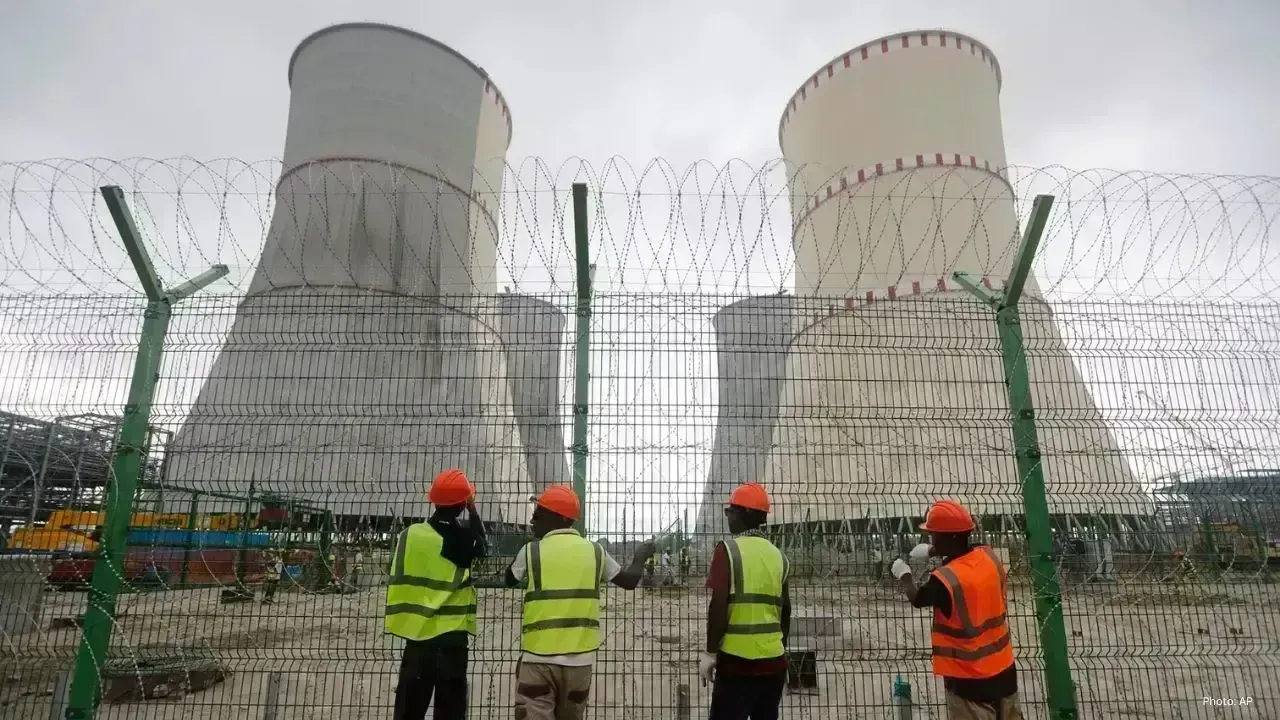
Consequently, nuclear energy is regaining attention. Nuclear facilities can generate substantial electricity without the same reliance on imported oil and gas, making them appealing for nations seeking energy security.
Countries like India and China have already made significant investments in nuclear power and are planning further expansions. Similarly, nations in Africa, such as Egypt, are starting nuclear initiatives to lessen their dependence on fossil fuels.
This pivot towards nuclear energy also emphasizes the importance of long-term planning. Governments are seeking to shield their economies from abrupt shocks caused by global conflicts. By investing in nuclear power, they aim to cultivate a more stable energy system that can resist international crises.
Nevertheless, developing nuclear energy poses challenges. The construction of nuclear plants is costly and time-consuming. Safety and waste management issues also present concerns, as past accidents have led to public hesitation toward nuclear power.
Despite these hurdles, the pressing energy crisis is push nations to reconsider their energy narratives. Renewable energy sources like solar and wind are expanding but may not suffice alone. Nuclear energy is gaining recognition as a dependable option to complement renewables.
The global landscape illustrates the intricate link between energy and geopolitics, where conflicts in one area can influence fuel pricing and availability worldwide. This reality underlines the necessity for diversified energy portfolios.
For many countries in Asia and Africa, the ongoing crisis marks a pivotal moment, urging them to reassess their energy approaches and embrace long-term solutions. While challenges remain, nuclear energy is emerging as an integral component of their future plans.
The transition towards nuclear power also aligns with a larger ambition—achieving energy autonomy. Nations wish to diminish dependence on imported fuel and shield themselves from potential future crises. This could significantly alter energy production and consumption dynamics in the decades to come.
The energy upheaval linked to the Iran situation underscores a crucial reality: heavy reliance on a single energy source is fraught with risks. As countries explore safer and more steadfast alternatives, nuclear energy is rekindling its role in global energy discussions.










PM Modi Pays Tribute to Mahatma Gandhi, Urges People to Support Khadi
PM Modi pays tribute to Mahatma Gandhi on Gandhi Jayanti and urges citizens to support Khadi and the

Amazon Seeks to Offload $8 Billion in Nvidia Chips to Investors
Amazon plans to move $8 billion in Nvidia chips to investors, using a new financing model to strengt

Samsung Raises Galaxy S26 Prices as Memory Chip Costs Rise
Samsung raises Galaxy S26 prices in South Korea as rising memory chip costs put pressure on smartpho

Lewis Hamilton Calls Singapore Grand Prix One of F1's Toughest Races
Lewis Hamilton discusses the demanding Singapore Grand Prix and brings Plus44 and Almave to Singapor

Denmark's Pandora Opens World's Largest Jewellery Factory in Vietnam
Pandora opens its largest jewellery factory in Vietnam, expanding global production, strengthening s

Gautam Gambhir Questions Batting-Friendly Pitches After India's Record ODI Chase
Gautam Gambhir questions batting-friendly ODI pitches after India’s record chase, calling for a bett

