
You have not yet added any article to your bookmarks!
Join 10k+ people to get notified about new posts, news and tips.
Do not worry we don't spam!
Post by : Saif Rahman
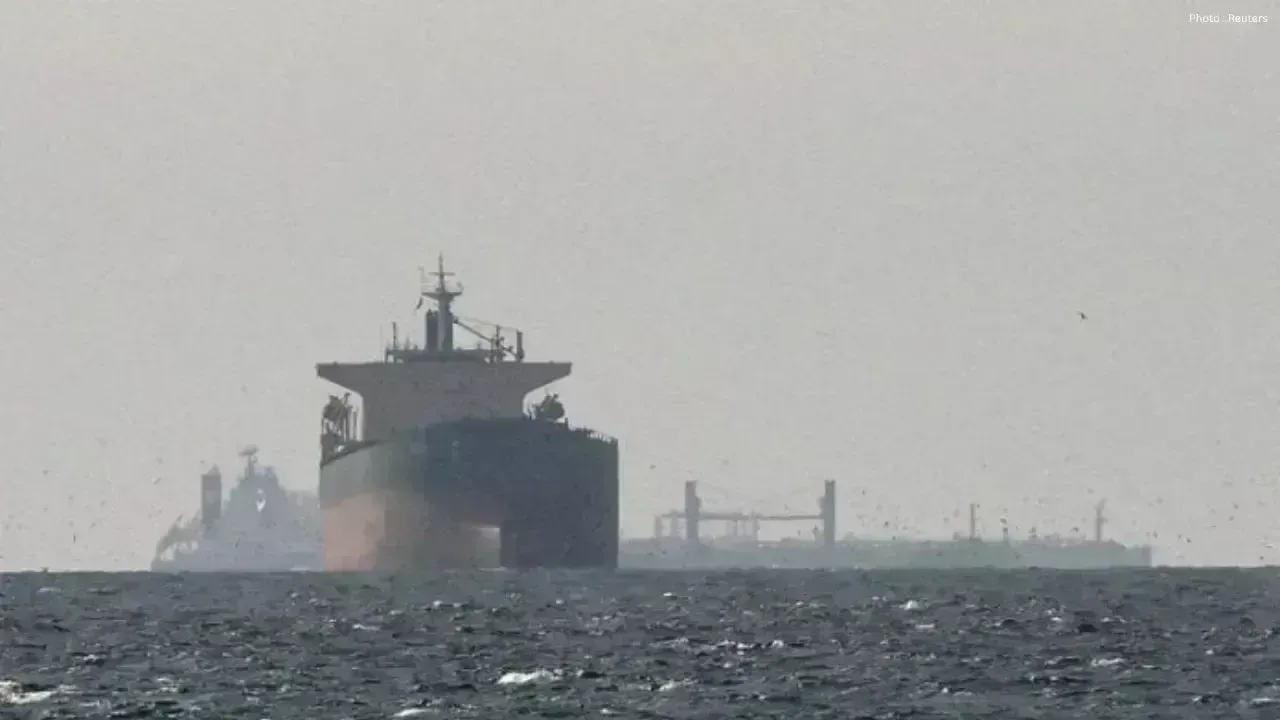
The latest dialogues between the United States and Iran have sparked significant worries among Gulf states. Regional leaders are apprehensive that these discussions might bolster Iran's influence over the Strait of Hormuz, which serves as a crucial channel for global oil transportation.
This vital passage sees a substantial volume of the world's oil flow every day, and any alteration in control over it could directly influence oil prices and economic stability worldwide. Gulf nations, reliant on this route for oil exports, prioritize its security above many other concerns.
Officials from Gulf countries express concern that the current negotiations may focus primarily on nuclear issues, potentially neglecting broader regional matters such as Iran’s military activities and its regional influence. Experts warn that failing to address these aspects may allow Iran to leverage the Strait strategically during periods of diplomatic strain.
Recent incidents, including reports of vessels being halted, warning shots, and disruptions in maritime traffic, have heightened these fears among stakeholders. Even minor occurrences in the Strait can lead to major fluctuations in oil supply and pricing, underscoring the region's sensitivity.
Analytics on trade and shipping patterns have indicated reduced activity through the strait during tense times, raising concerns over the resilience of global supply chains. Disruptions in oil flow can ripple through economies, influencing fuel prices and daily life across many nations.
Additionally, Gulf states are increasingly vocal about their perceived exclusion from the talks. Given their direct stake in decisions affecting the strait, they believe their input is essential. Their absence from negotiations raises fears that resulting agreements may fall short in addressing their security needs.
Experts caution that hastening the lifting of economic sanctions against Iran could inadvertently empower the nation without resolving core regional issues. A rapid resolution might ease immediate tensions but could invite long-term complications if essential matters remain unaddressed.
Simultaneously, the U.S. aims to prevent further escalation while maintaining stability in global energy markets. Diplomacy is viewed as an effective means to manage risks and avert conflicts, though harmonizing peace initiatives with the interests of regional allies presents its own challenges.
The strategic significance of the Strait of Hormuz for Iran can't be overstated. Its geographic positioning permits Iran to exert influence over a pivotal trade artery, which can be wielded during negotiations or conflicts, placing this issue at the forefront of any dialogue around regional security.
This situation underscores the intricacies of global diplomacy, where decisions by major powers can reverberate throughout sensitive areas like the Middle East. Progress in talks might simultaneously generate fresh concerns for others.
In closing, the unfolding US-Iran conversations bring a mix of optimism and concern. While the primary goal is to ease tensions, Gulf nations harbor fears that any outcomes could enhance Iran's grip on this critical oil corridor. As discussions evolve, global observers will be keenly focused on whether outcomes foster stability or exacerbate ongoing issues.










PM Modi Pays Tribute to Mahatma Gandhi, Urges People to Support Khadi
PM Modi pays tribute to Mahatma Gandhi on Gandhi Jayanti and urges citizens to support Khadi and the

Amazon Seeks to Offload $8 Billion in Nvidia Chips to Investors
Amazon plans to move $8 billion in Nvidia chips to investors, using a new financing model to strengt

Samsung Raises Galaxy S26 Prices as Memory Chip Costs Rise
Samsung raises Galaxy S26 prices in South Korea as rising memory chip costs put pressure on smartpho

Lewis Hamilton Calls Singapore Grand Prix One of F1's Toughest Races
Lewis Hamilton discusses the demanding Singapore Grand Prix and brings Plus44 and Almave to Singapor

Denmark's Pandora Opens World's Largest Jewellery Factory in Vietnam
Pandora opens its largest jewellery factory in Vietnam, expanding global production, strengthening s

Gautam Gambhir Questions Batting-Friendly Pitches After India's Record ODI Chase
Gautam Gambhir questions batting-friendly ODI pitches after India’s record chase, calling for a bett

