You have not yet added any article to your bookmarks!
Join 10k+ people to get notified about new posts, news and tips.
Do not worry we don't spam!
Post by : Shweta
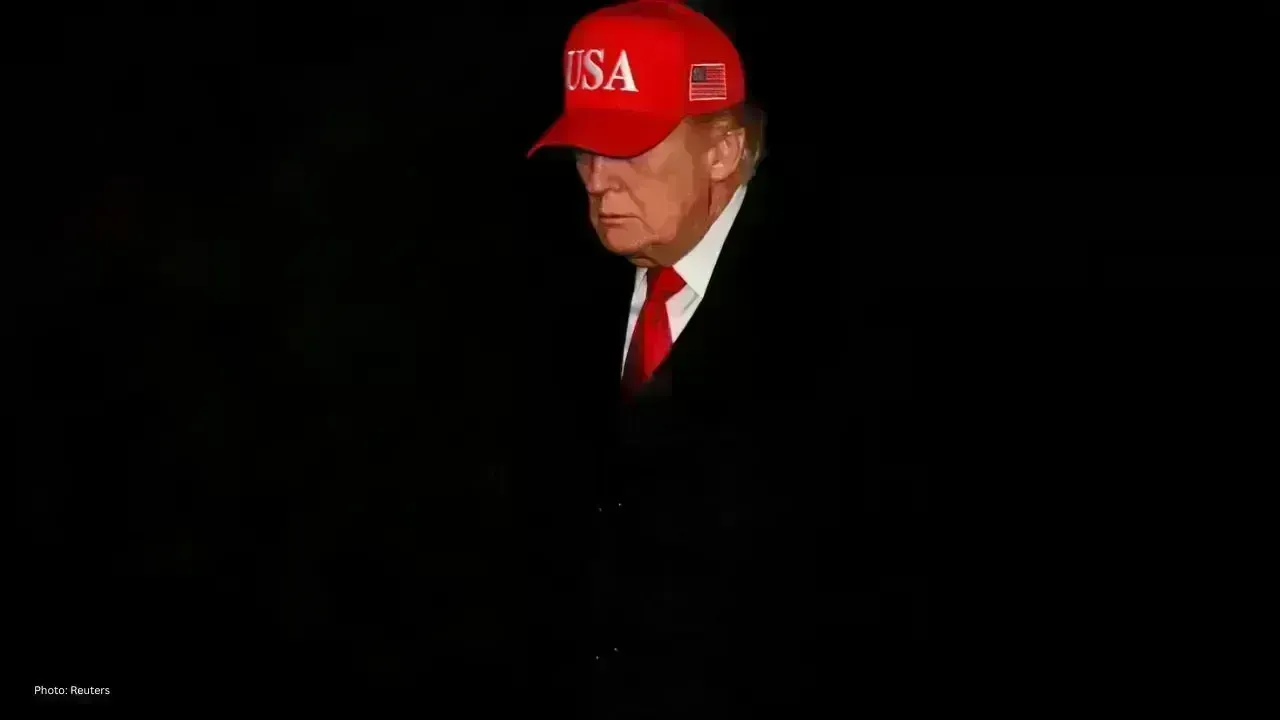
President Donald Trump’s move to appoint William J. Pulte as the Acting Director of National Intelligence has drawn significant support from various political figures, although it has also raised questions regarding his qualifications in national security. As debates unfold in Washington, pundits and lawmakers are assessing the implications of Pulte's new role in this critical intelligence position in the U.S.
Support from Republican leaders has been highlighted by the White House, who commend Pulte’s solid leadership record and express faith in his capacity to manage the intelligence community during his interim appointment. Advocates argue that Pulte's prior government experience showcases his ability to lead effectively amid persistent global security developments.
Before this appointment, Pulte led the Federal Housing Finance Agency (FHFA), where he oversaw essential components of the U.S. housing finance system. His transition from financial oversight to intelligence responsibilities has sparked a mix of endorsement and skepticism.
Among his supporters is Republican Senator Tommy Tuberville, who publicly acknowledged Pulte's appointment as a smart choice. Other allies share this perspective, claiming that a strong management background is vital for guiding extensive federal organizations, particularly in intelligence.
As the new Acting Director of National Intelligence, Pulte will coordinate efforts among various U.S. intelligence agencies, which are integral in collating, analyzing, and disseminating intelligence regarding national security issues. This position holds substantial importance in advising the president and ensuring inter-agency collaboration.
Despite the backing from Trump’s supporters, the appointment has not been without controversy, facing scrutiny from lawmakers across the aisle. Critics highlight that Pulte lacks conventional experience in intelligence operations, national security policy, and military affairs, prompting concerns about the suitability of his qualifications for such a critical role.
This ongoing dialogue reflects broader concerns regarding the expertise necessary for high-ranking government roles. While proponents argue that experienced managers can effectively navigate federal agencies regardless of their specific backgrounds, detractors emphasize the need for specialized knowledge in sensitive intelligence and national security tasks.
Pulte's appointment comes at a pivotal moment as the U.S. grapples with a variety of global security challenges, including geopolitical tensions, cyber threats, and ongoing international conflicts. As such, leadership within the intelligence domain is an area of considerable public and political focus.
Reports suggest President Trump views Pulte’s position as a temporary solution, indicating that it is meant to sustain leadership continuity while longer-term leadership decisions are assessed. This aspect has sparked renewed discussions around the future organizational structure of the Office of the Director of National Intelligence.
Political experts note that acting appointments often serve as bridge strategies, enabling administrations to uphold operations while exploring future leadership choices. However, the significance of intelligence leadership means that even provisional appointments face thorough scrutiny from lawmakers and security specialists.
In the upcoming weeks, discussions regarding Pulte’s responsibilities and effectiveness as the Acting Director of National Intelligence are expected to intensify. Lawmakers are likely to continually analyze the ramifications of the appointment on the operational dynamics and priorities within the intelligence community. For now, this development continues to fuel the ongoing dialogue about governance, expertise, and national security in the U.S.!
For more significant updates and in-depth analyses, stay connected with us.





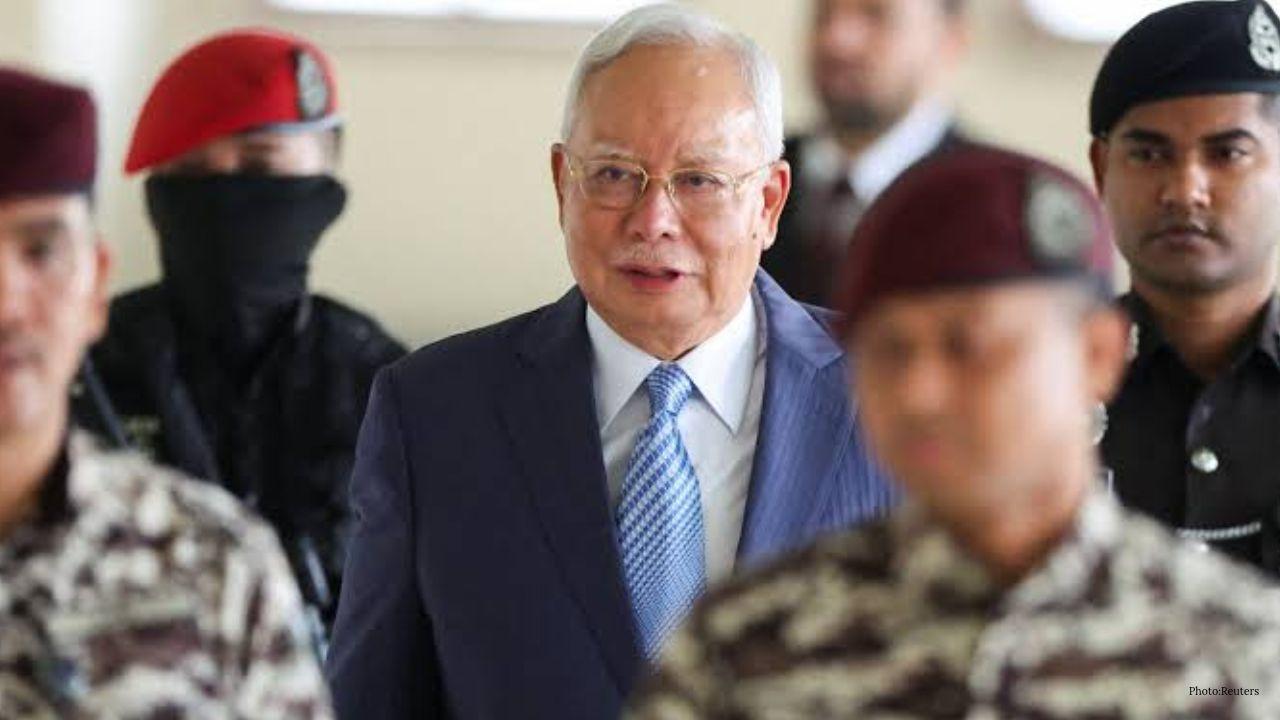


APEC Members Emphasise Safe and Responsible Use of Artificial Intelligence
APEC members discuss responsible AI use, digital innovation and data governance as China and the US

Union of European Clubs Challenge UEFA and EFC Over EU Competition Rules
UEC files an EU competition complaint against UEFA and EFC, challenging club representation, governa

Mohammed Shami Retires From Test Cricket, Eyes White-Ball Career
Mohammed Shami retires from Test cricket after 13 years, with 229 wickets. He will continue playing

Singapore Warns Users About Privacy and Security Risks of AI Agents
Singapore warns users about AI agent security risks, data privacy, online scams and unauthorised acc
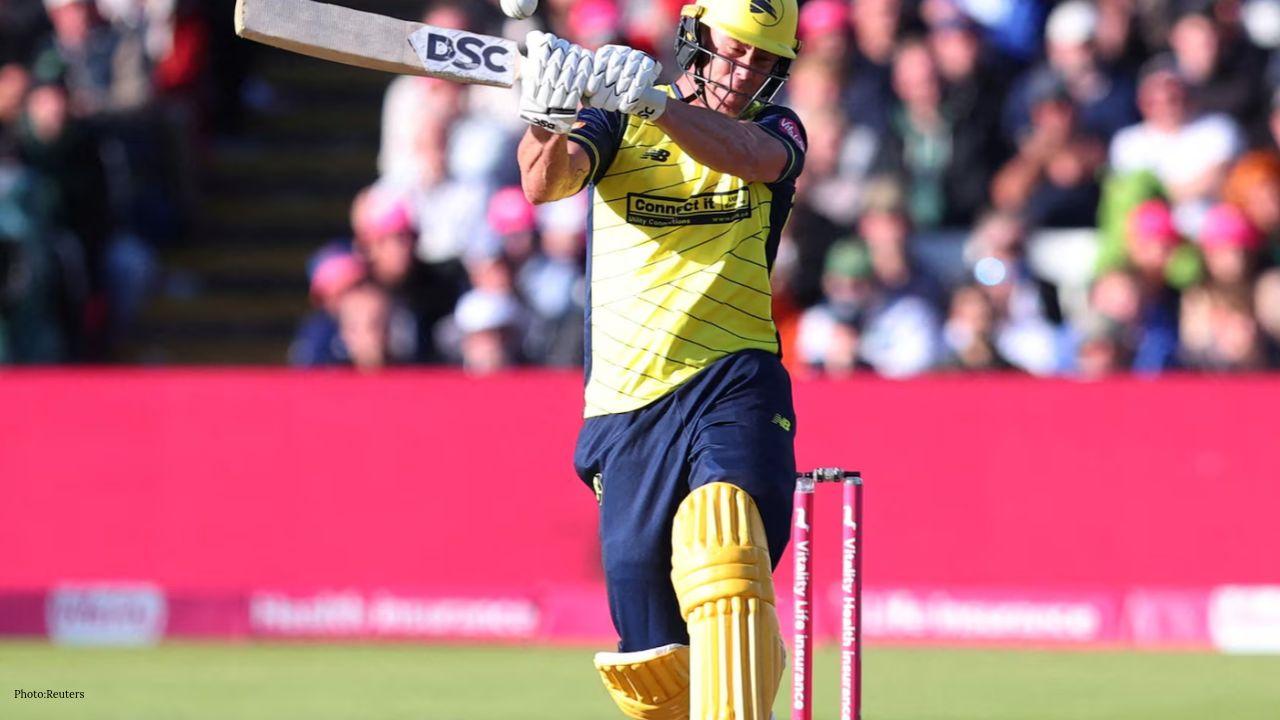
Chris Lynn Completes One-Month Ban After Positive Cocaine Test
Australian cricketer Chris Lynn completes a one-month ban after a positive cocaine test during the T
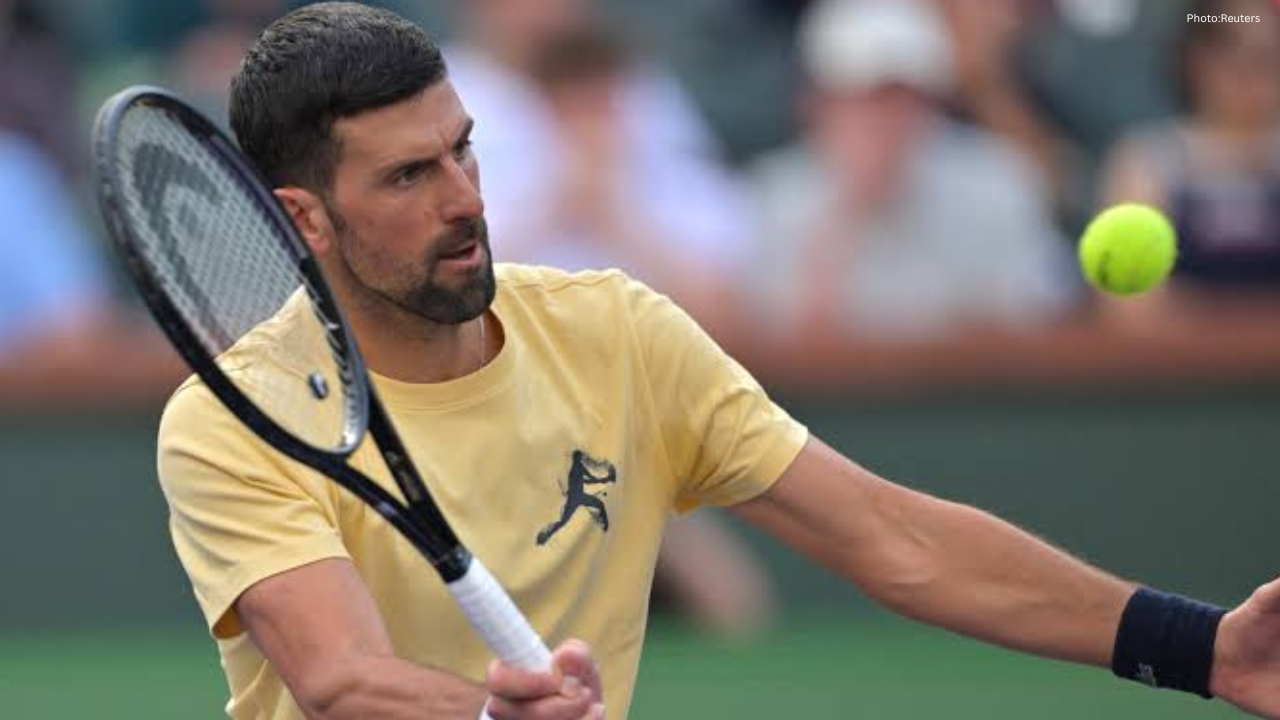
Djokovic Eyes Strong Season Finish as Health Improves Ahead of Paris Masters
Novak Djokovic reports improved health and performance as he targets a strong Paris Masters finish a