
You have not yet added any article to your bookmarks!
Join 10k+ people to get notified about new posts, news and tips.
Do not worry we don't spam!
Post by : Samjeet Ariff
Image Source: Google
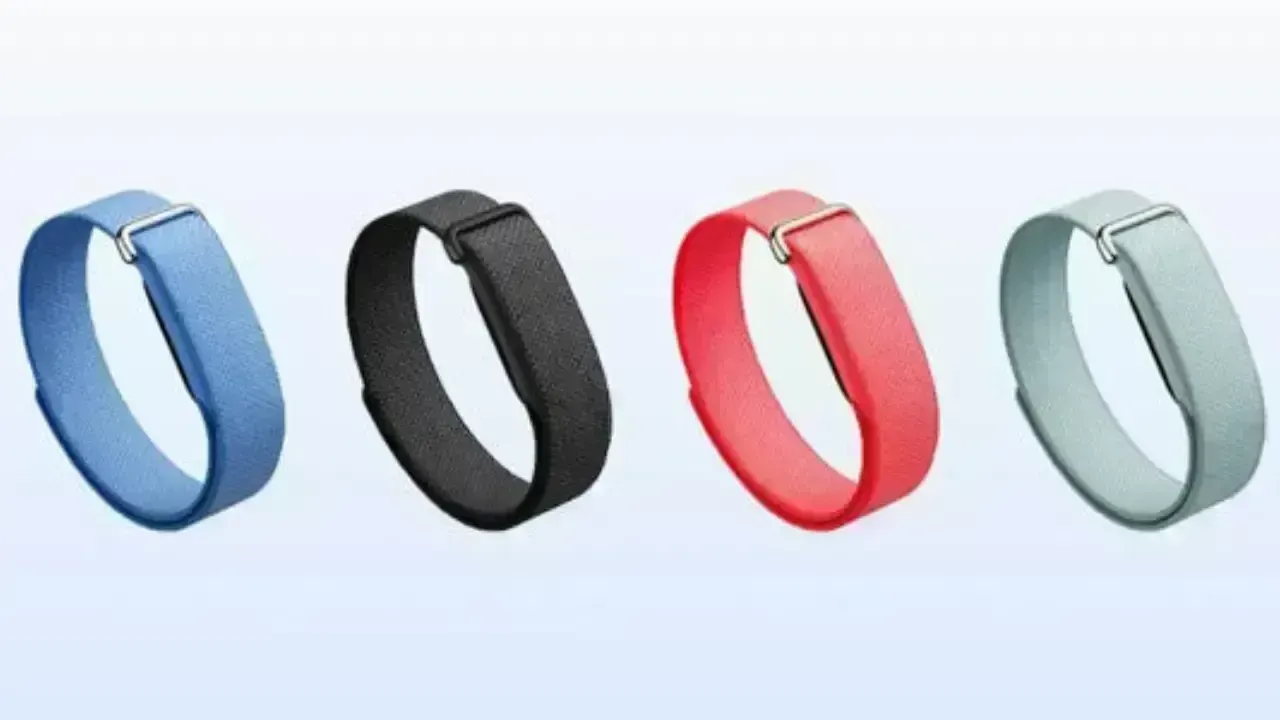
Google expands its range of wearable technology with the debut of the Fitbit Air. This new device is designed for those preferring health tracking without the distractions of a display. Alongside the Air, Google also rolled out a redesigned Health app that integrates fitness monitoring, sleep analysis, heart health, and wellness insights into a single platform.
This launch signifies a trend towards minimalist technology, catering to users seeking less intrusive devices that support healthier digital habits rather than demanding ongoing attention.
The Fitbit Air has been crafted as a lightweight wearable, concentrating on passive health tracking over notifications and app notifications.
In contrast to conventional smartwatches, the Fitbit Air lacks a significant interactive screen, focusing instead on collecting wellness information unobtrusively.
As per company statements, Fitbit Air is tailored for users seeking:
This strategy targets users overwhelmed by incessant smartphone and smartwatch alerts.
Modern smartwatches often come packed with features from call answering to social media notifications. However, many users are now airing concerns about digital overload and screen fatigue.
With Fitbit Air, Google seems to be adopting a “less is more” approach. Rather than advocating for additional screen time, the wearable emphasizes:
This indicates a commitment to creating a device that fosters healthier habits without persistent interruptions.
In conjunction with Fitbit Air, Google Health has launched an updated health-centric application that consolidates data from fitness, sleep, workouts, heart health, and wellness habits into a single dashboard.
The new application harnesses artificial intelligence to provide tailored wellness insights and recommendations based on user behavior and activities.
Notable features include:
The goal is to simplify health data interpretation for everyday users.
One of the prominent motifs surrounding this launch is the emphasis on digital wellness.
Tech companies are becoming more aware of challenges stemming from excessive notifications, screen addiction, and mental exhaustion induced by always-on devices. Fitbit Air seems to tackle these concerns by delivering health tracking without the distraction-laden environment commonly found in smartwatches.
Experts believe this could resonate strongly with users who:
The appeal of minimalist wearables is increasing globally as users strive for healthier interactions with technology.
Due to its lack of a large display, Fitbit Air is expected to boast significantly longer battery life than typical smartwatches.
Battery longevity remains a major pain point for many wearable users, particularly those who dread having to recharge daily. A screenless design inherently draws less power, making Fitbit Air an attractive choice for consistent tracking.
This launch underscores a transformation in the wearable technology sector.
Traditionally, brands competed by adding features, expanding displays, and ensuring continual connectivity. Recently, however, some manufacturers have started to explore the converse path — creating simpler devices centered on focus, wellness, and minimalism.
Google’s Fitbit Air could stand to rival wellness-oriented wearables that prioritize recovery tracking and low-distraction experiences over conventional smartwatch tasks.
With any health-centric technology, questions regarding data privacy remain crucial.
Users may continue to query:
Google has previously stressed the importance of privacy in health data, and experts anticipate that maintaining transparency will be vital as wearable AI technologies evolve.
The introduction of Fitbit Air and Google’s refined health application suggests a significant shift in the trajectory of wearable technology.
Rather than amplifying distractions, the focus is increasingly on streamlined experiences, passive health monitoring, and cultivating healthier digital practices. For users frustrated by continuous notifications and screen saturation, Fitbit Air may represent a refreshing pivot in personal tech.
As AI in health and wearable devices continues to advance, the landscape of fitness tracking might evolve from screen dependency to prioritizing balance.
This article is based on official announcements and publicly available product information. Features, availability, and specifications may change based on region and future software updates.
#Tech News #Health & Lifestyle #Fitness and Wellness #Health Experts #Tech Innovation










PM Modi Pays Tribute to Mahatma Gandhi, Urges People to Support Khadi
PM Modi pays tribute to Mahatma Gandhi on Gandhi Jayanti and urges citizens to support Khadi and the

Amazon Seeks to Offload $8 Billion in Nvidia Chips to Investors
Amazon plans to move $8 billion in Nvidia chips to investors, using a new financing model to strengt

Samsung Raises Galaxy S26 Prices as Memory Chip Costs Rise
Samsung raises Galaxy S26 prices in South Korea as rising memory chip costs put pressure on smartpho

Lewis Hamilton Calls Singapore Grand Prix One of F1's Toughest Races
Lewis Hamilton discusses the demanding Singapore Grand Prix and brings Plus44 and Almave to Singapor

Denmark's Pandora Opens World's Largest Jewellery Factory in Vietnam
Pandora opens its largest jewellery factory in Vietnam, expanding global production, strengthening s

Gautam Gambhir Questions Batting-Friendly Pitches After India's Record ODI Chase
Gautam Gambhir questions batting-friendly ODI pitches after India’s record chase, calling for a bett

